Cube
Trade
Pro
Advanced trading interface with professional tools
Swap
Exchange cryptocurrencies instantly
Bundles
Trade multiple tokens in a single transaction
Algos
Create and manage automated trading strategies
Portfolio
Portfolio
View your cryptocurrency holdings and performance
Orders
Track your open and completed orders
Transactions
View your complete transaction history
Rewards
Rewards Dashboard
View your rewards and claim loot boxes
Blocks Leaderboard
See top traders competing for block rewards
Referral Leaderboard
See top referrers and track referral rankings
Investors
Investor Resources
Browse investor resources and documentation
Presentation (pdf)
Download investor presentation
Settings
Profile
Your profile and account verification
Subaccounts
Separate portfolios across subaccounts
Address Book
Manage saved withdrawal addresses
Multi-Factor Authentication
Add a verification step for sensitive account actions
API Keys
Connect applications to your account
Onramp
Link bank account to buy crypto
Account Recovery
Manage account recovery setup
Learn
News
Read the latest news, announcements, and updates from Cube Exchange
What-Is Guides
Learn about cryptocurrencies
FAQ
Frequently asked questions about Cube Exchange
Fees
View our transparent fee schedule and pricing information
Security
Learn more about Cube Exchange security
About
About
Learn more about Cube Exchange
Legal
Legal information, terms of service, privacy policy, and risk disclosures
EN
Select Language
EN
English
ES
Español
ID
Bahasa Indonesia
JA
日本語
PL
Polski
PT
Português
RU
Россия
TH
แบบไทย
TR
Türkçe
UK
Україна
VI
Tiếng Việt
ZH-CN
简体中文
ZH-TW
繁體中文
Light
Dark
System
Sign In
/
Foundations
/
Foundations
Core blockchain and crypto concepts: wallets, keys, consensus, and the building blocks of Web3.
#BLOCKCHAIN
#CONSENSUS
#CRYPTOGRAPHY
#DEFI
#EXECUTION
#GOVERNANCE
#INFRASTRUCTURE
#INTEROPERABILITY
#ORACLES
#PRIVACY
#SCALING
#SECURITY
#STAKING
#TOKENS
#TRANSACTIONS
#WALLETS
What Is a Light Client Bridge?
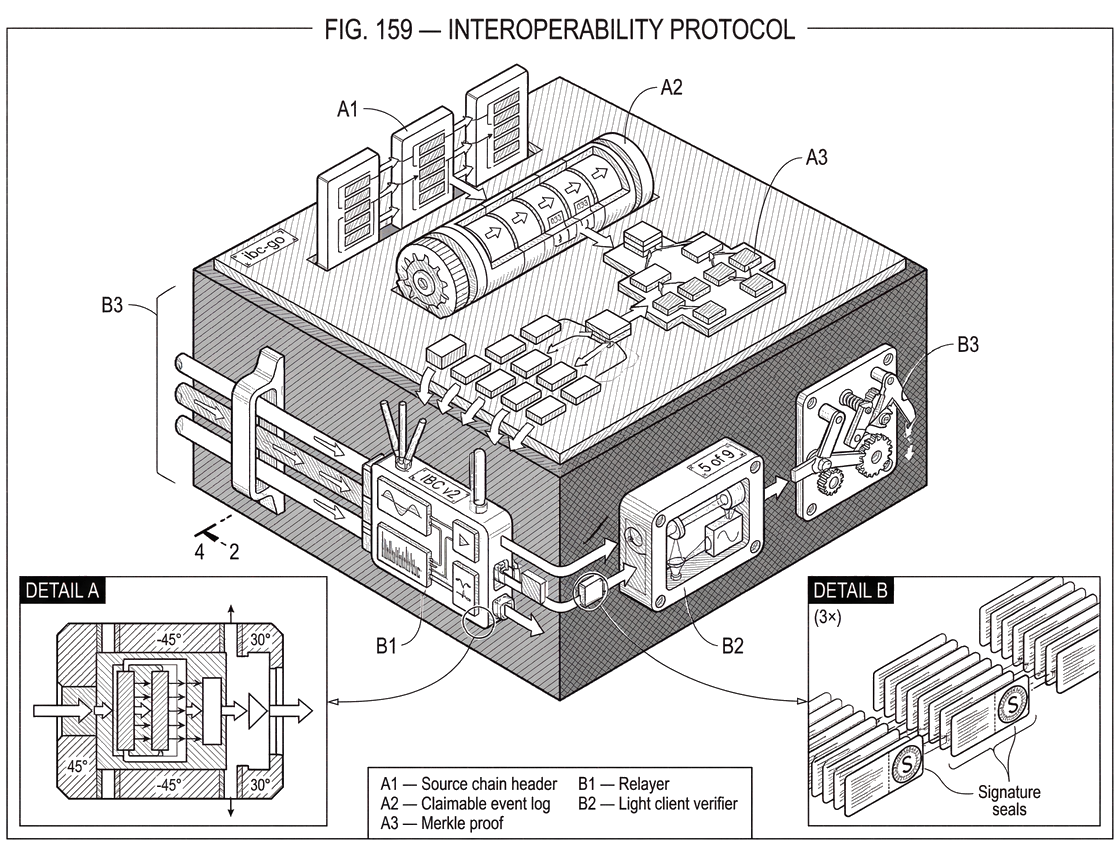
A light client bridge tries to answer the hardest question in interoperability without trusting a custodian: how can one chain know what really happened on another? It does this by running a compact verifier of the source chain on the destination chain, so cross-chain actions are accepted only when they can be proved against source-chain consensus.
Mar 21, 2026
•
26 min read
#BRIDGE
What Is Cross-Chain Interoperability?
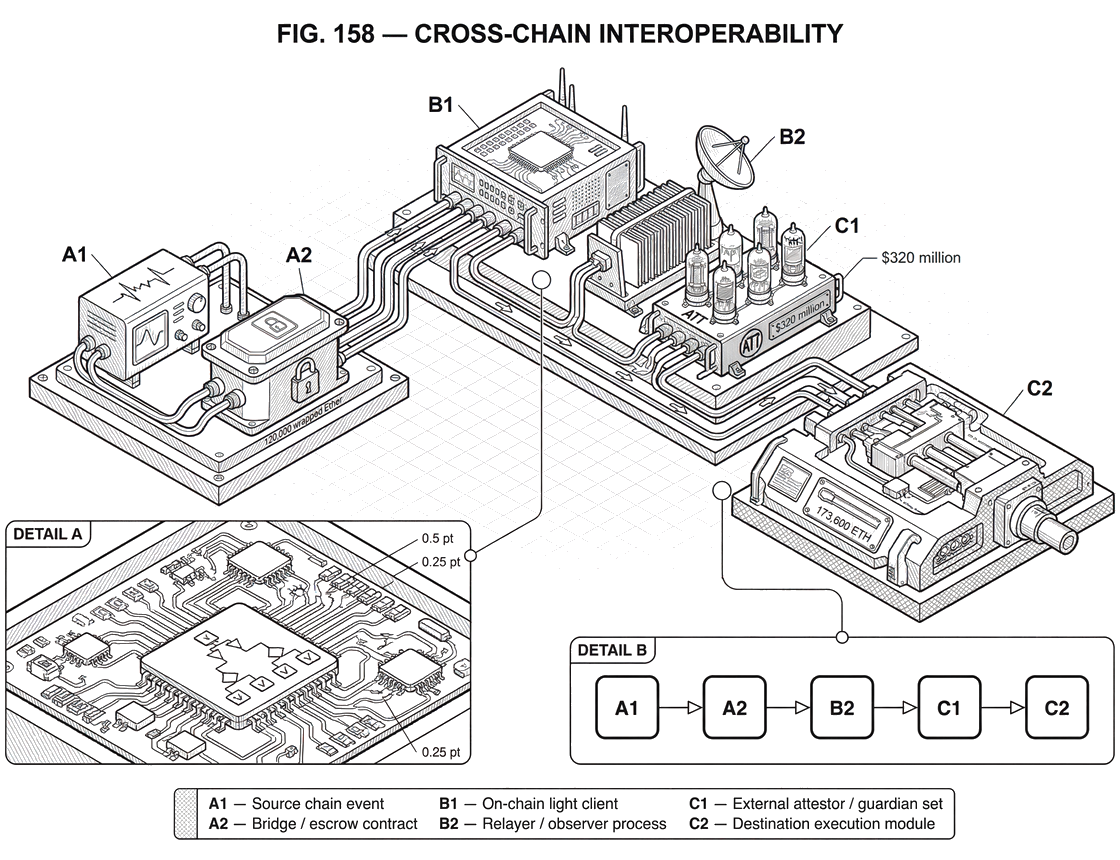
Cross-chain interoperability matters because blockchains are powerful but isolated. The hard part is not just sending a message from one chain to another — it is doing so without breaking the security assumptions that gave each chain value in the first place.
Mar 21, 2026
•
26 min read
#INTEROPERABILITY
What is a Bridged Asset?
A bridged asset is a token on one blockchain that stands in for an asset that really originates on another. That sounds simple, but the important question is not what the token is called — it is what guarantees that the token is actually backed, redeemable, and still valid if something goes wrong.
Mar 21, 2026
•
23 min read
#BRIDGE
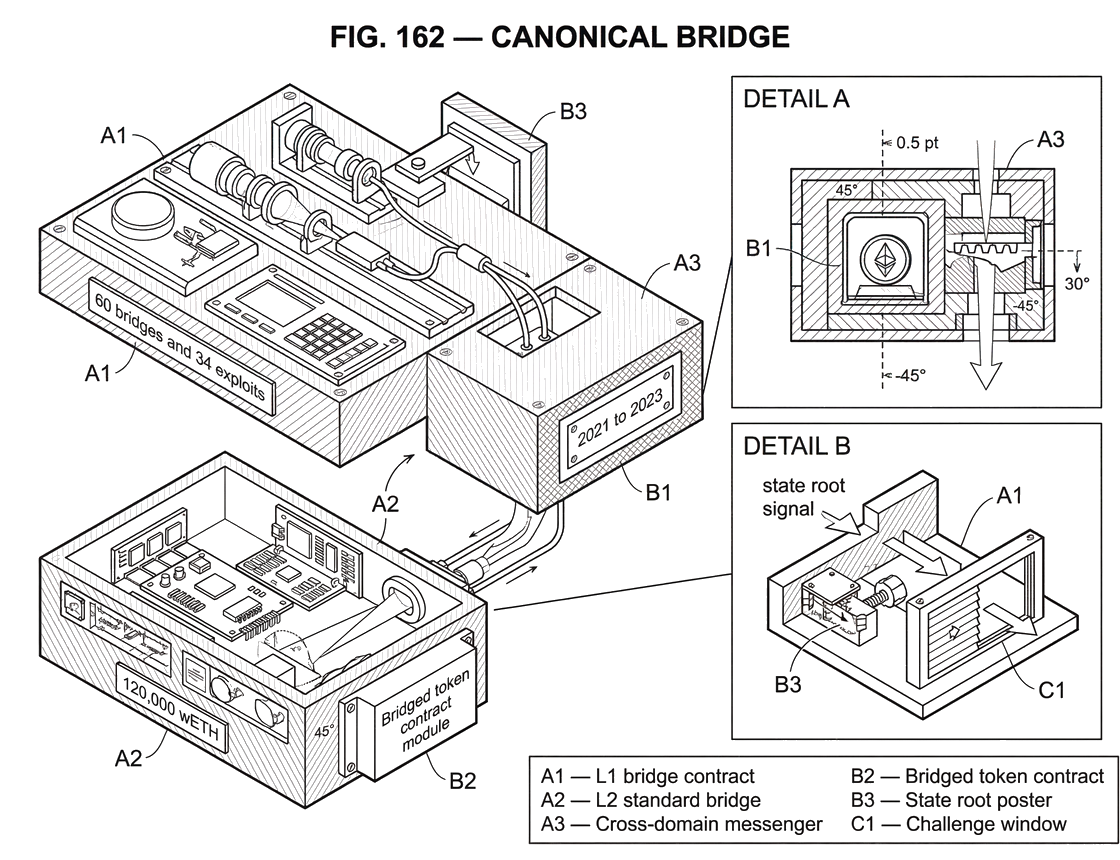
What is a Canonical Bridge?
A canonical bridge is the asset pathway a chain treats as official. That sounds like a branding detail, but it changes the trust model: users are not just relying on a bridge operator, they are relying on the chain’s own protocol, contracts, and withdrawal rules.
Mar 21, 2026
•
25 min read
#BRIDGE
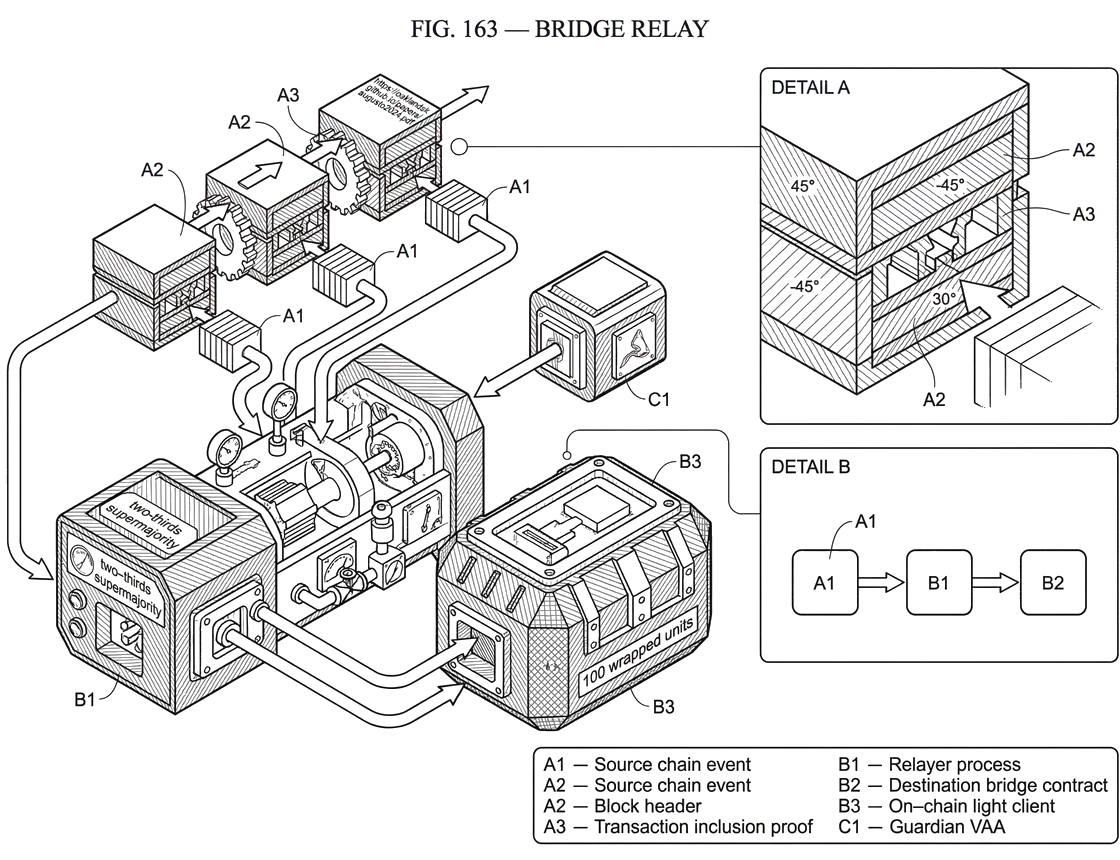
What is Bridge Relay?
A bridge relay is the off-chain agent that makes cross-chain communication actually move. Chains may be able to verify foreign state, but without someone watching one chain, packaging the right proof or attestation, and submitting it to another, the bridge does not live.
Mar 21, 2026
•
26 min read
#BRIDGE
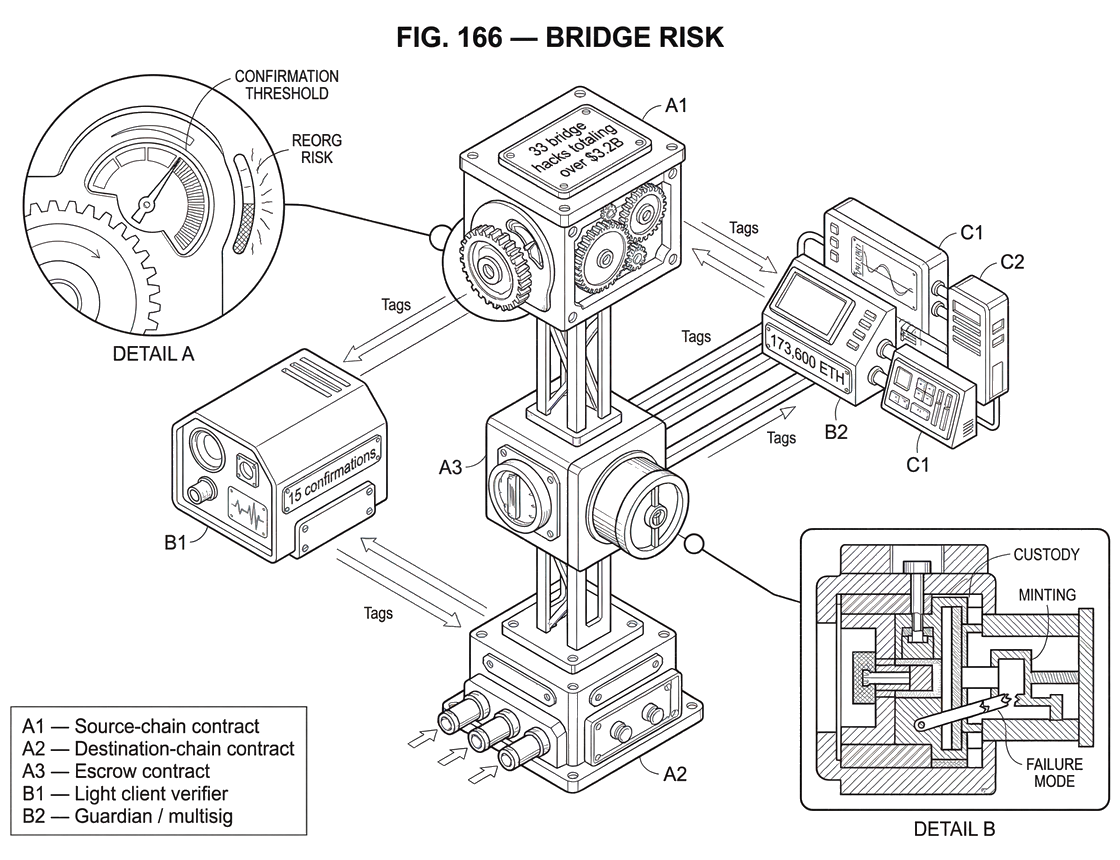
What is Bridge Risk?
Bridge risk is the price of making separate blockchains behave like one system. Whenever a bridge moves assets or messages across chains, it must answer a hard question: who is trusted to decide that something really happened on the source chain, and what happens if that answer is wrong?
Mar 21, 2026
•
27 min read
#BRIDGE
What is a Light Client?
A light client lets you verify blockchain information without carrying the whole chain. The core idea is simple but subtle: keep a small trusted view of consensus, fetch data from others, and check cryptographic proofs locally so you do not have to trust the server that answered you.
Mar 21, 2026
•
26 min read
#INFRASTRUCTURE
What is an Execution Client?
An execution client is the part of a blockchain node that actually runs transactions and updates state. On Ethereum, it became especially important after The Merge, because nodes now split execution from consensus and rely on both pieces working together.
Mar 21, 2026
•
24 min read
#INFRASTRUCTURE
What Is a Full Node?
A full node is the machine that refuses to take the blockchain’s word for it. Instead of trusting a wallet app, RPC provider, or validator’s claim, it downloads chain data itself, checks the rules itself, and only then accepts a block or transaction as real.
Mar 21, 2026
•
21 min read
#INFRASTRUCTURE
What is a Consensus Client?
A blockchain does not reach agreement by magic. A consensus client is the software that tracks the chain other honest nodes consider valid, applies the protocol’s voting rules, and tells validators what they are allowed to sign.
Mar 21, 2026
•
23 min read
#INFRASTRUCTURE
What is a Blockchain Node?
A blockchain node is just a computer running protocol software — but that simple idea is the reason blockchains can work without a central server. Nodes validate, store, relay, and sometimes produce blocks, turning a ledger from a website someone controls into a network anyone can independently check.
Mar 21, 2026
•
24 min read
#INFRASTRUCTURE
What is Client Diversity?
Client diversity is the idea that a blockchain network should not depend on one dominant node implementation. When many operators run different, independently built clients, bugs and attacks have a smaller blast radius — which can be the difference between a contained incident and a chain-wide failure.
Mar 21, 2026
•
25 min read
#INFRASTRUCTURE
1
2
3
4
5
6
7
8
9
10
11
12
13
14
15
16
17
18
19