Cube
Trade
Pro
Advanced trading interface with professional tools
Swap
Exchange cryptocurrencies instantly
Bundles
Trade multiple tokens in a single transaction
Algos
Create and manage automated trading strategies
Portfolio
Portfolio
View your cryptocurrency holdings and performance
Orders
Track your open and completed orders
Transactions
View your complete transaction history
Rewards
Rewards Dashboard
View your rewards and claim loot boxes
Blocks Leaderboard
See top traders competing for block rewards
Referral Leaderboard
See top referrers and track referral rankings
Investors
Investor Resources
Browse investor resources and documentation
Presentation (pdf)
Download investor presentation
Settings
Profile
Your profile and account verification
Subaccounts
Separate portfolios across subaccounts
Address Book
Manage saved withdrawal addresses
Multi-Factor Authentication
Add a verification step for sensitive account actions
API Keys
Connect applications to your account
Onramp
Link bank account to buy crypto
Account Recovery
Manage account recovery setup
Learn
News
Read the latest news, announcements, and updates from Cube Exchange
What-Is Guides
Learn about cryptocurrencies
FAQ
Frequently asked questions about Cube Exchange
Fees
View our transparent fee schedule and pricing information
Security
Learn more about Cube Exchange security
About
About
Learn more about Cube Exchange
Legal
Legal information, terms of service, privacy policy, and risk disclosures
EN
Select Language
EN
English
ES
Español
ID
Bahasa Indonesia
JA
日本語
PL
Polski
PT
Português
RU
Россия
TH
แบบไทย
TR
Türkçe
UK
Україна
VI
Tiếng Việt
ZH-CN
简体中文
ZH-TW
繁體中文
Light
Dark
System
Sign In
/
Foundations
/
Blockchain
/
Foundations: Blockchain
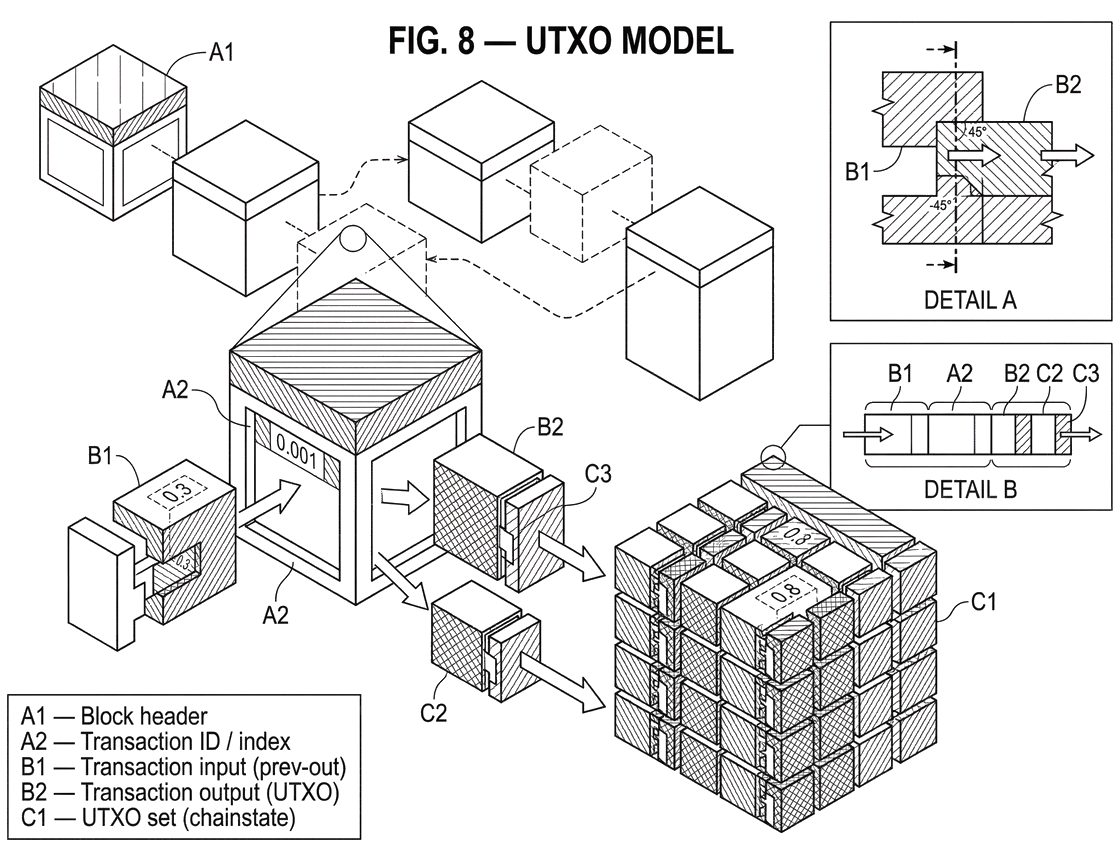
What is the UTXO Model?
The UTXO model treats money on a blockchain not as a balance inside an account, but as a collection of spendable pieces created by past transactions. That small shift changes how validation, privacy, fees, parallelism, and smart contract design work across systems from Bitcoin to extended UTXO chains.
Mar 21, 2026
•
22 min read
#BLOCKCHAIN
What Is an Uncle Block?
Uncle blocks reveal a basic fact about proof-of-work blockchains: the network is never perfectly synchronized. Two miners can do valid work at nearly the same time, and the protocol must decide what to keep, what to discard, and how much of that “lost” work should still count.
Mar 21, 2026
•
21 min read
#BLOCKCHAIN
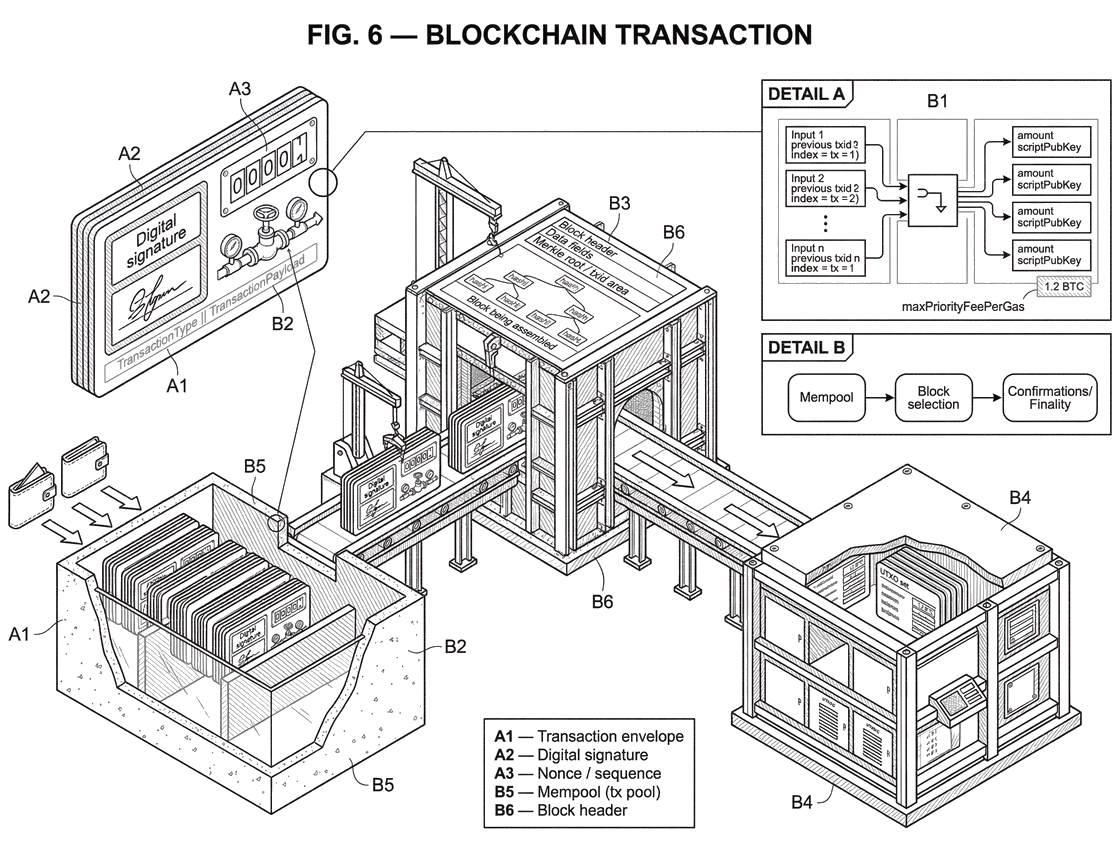
What is a Blockchain Transaction?
A blockchain transaction looks simple from the outside: send coins, call a contract, update a balance. But underneath, it is the basic unit of state change, authorization, ordering, and fee payment that makes a blockchain work without a central operator.
Mar 21, 2026
•
26 min read
#BLOCKCHAIN
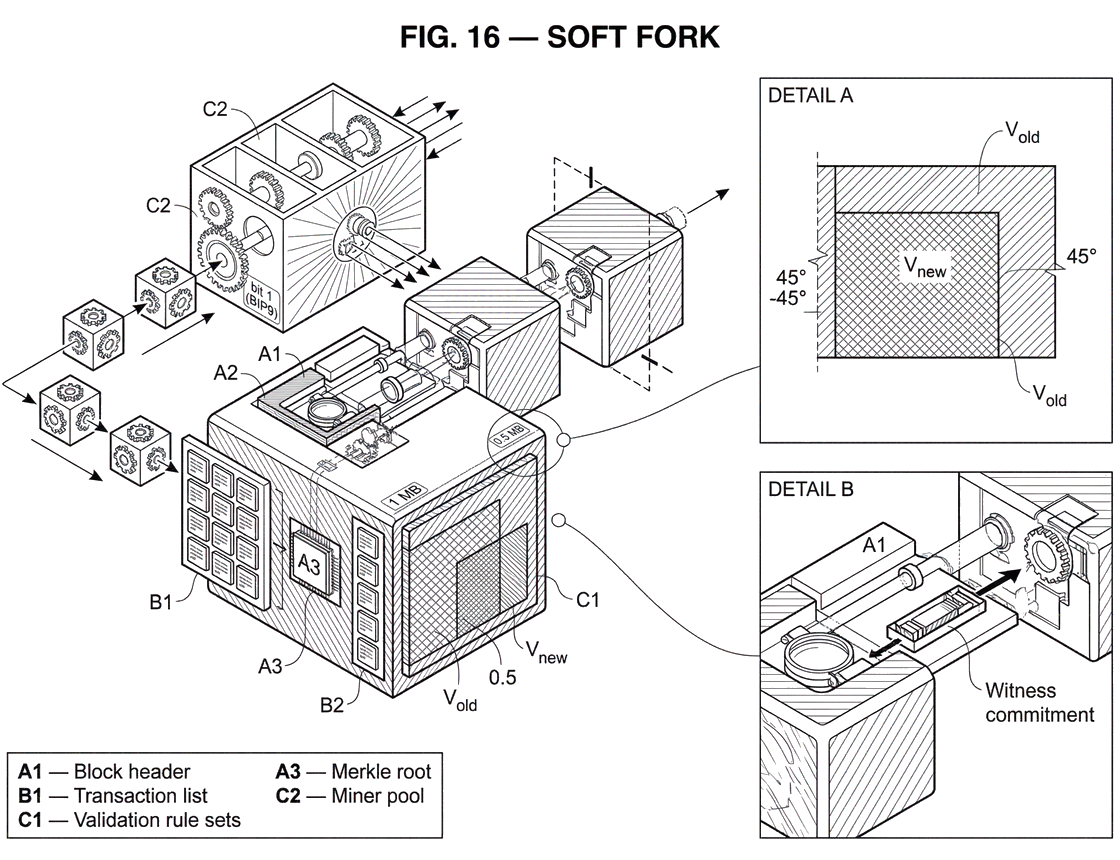
What is a Soft Fork?
A soft fork changes a blockchain’s consensus rules without immediately breaking older nodes. That sounds simple, but the real idea is subtler: the new rules must define a stricter subset of what was already allowed, so old software still sees upgraded blocks as valid even when it no longer understands them fully.
Mar 21, 2026
•
23 min read
#BLOCKCHAIN
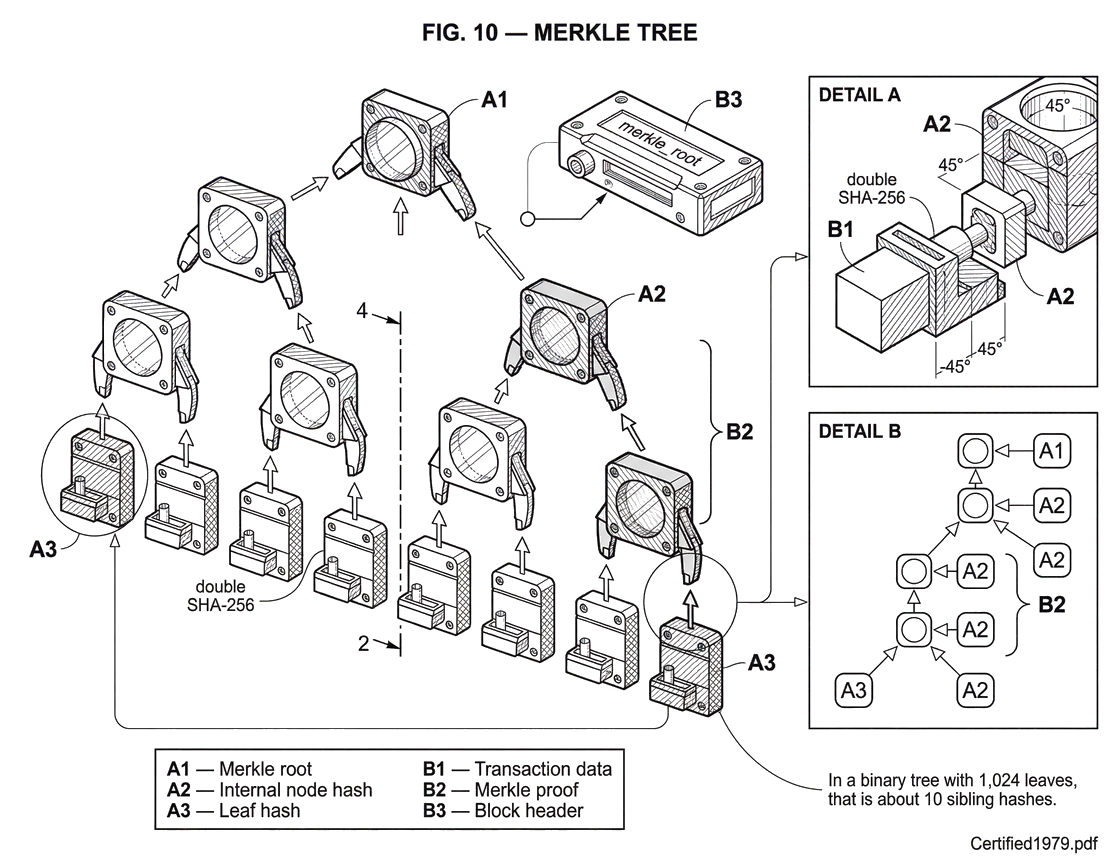
What is a Merkle Tree?
A Merkle tree solves a very practical problem: how do you commit to a large set of data with one short fingerprint, and later prove that one item belongs to that set without revealing everything else? That simple idea sits inside blocks, light clients, state proofs, and many of the scaling tricks blockchains rely on.
Mar 21, 2026
•
23 min read
#BLOCKCHAIN
What is an Orphan Block?
An orphan block is what you get when a blockchain briefly disagrees with itself. Two blocks can be valid at the same height, but only one branch becomes canonical, and the other block is left outside the main chain — a small event with big consequences for miner rewards, security, and network design.
Mar 21, 2026
•
25 min read
#BLOCKCHAIN
What is Chain Reorganization?
A blockchain can tell two honest stories at once for a short time. A chain reorganization is the moment the network stops following one branch and switches to another, which is why a payment that looked confirmed can sometimes move back to pending.
Mar 21, 2026
•
25 min read
#BLOCKCHAIN
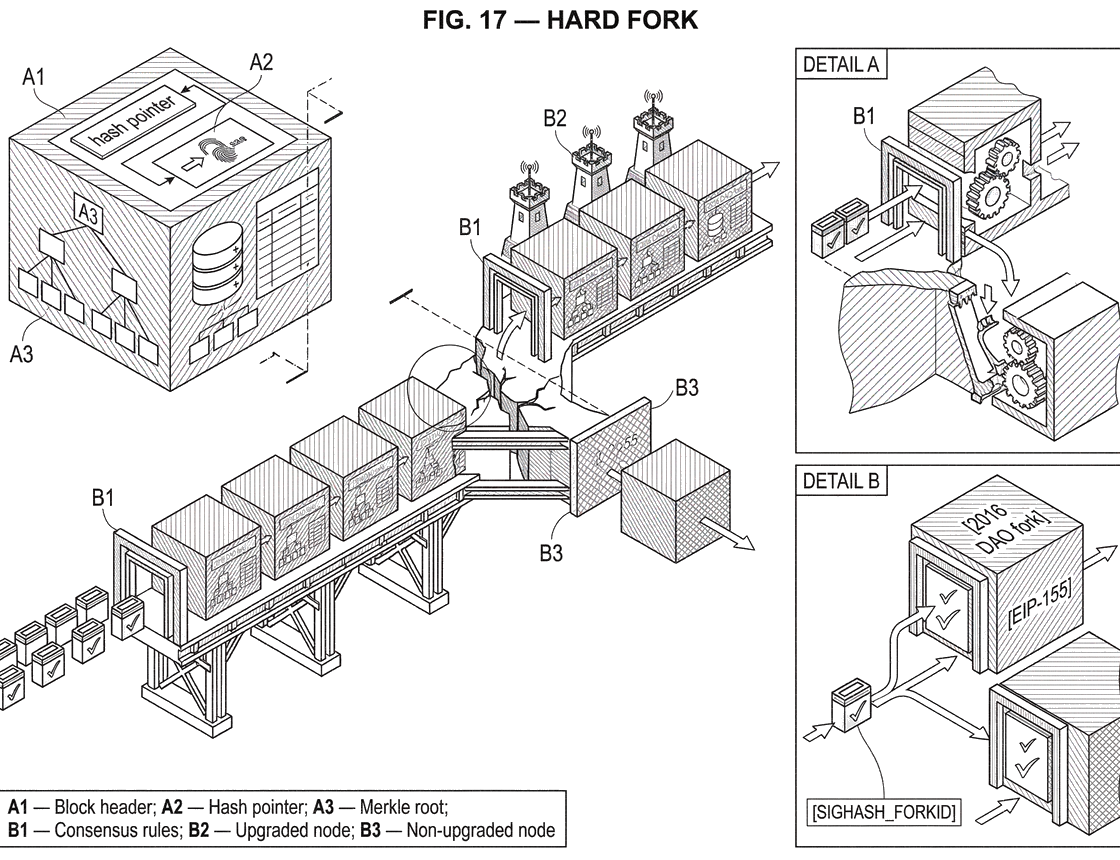
What is a Hard Fork?
A hard fork is not just a software update. It is a change to a blockchain’s consensus rules that can leave old nodes unable to recognize the new chain as valid, which is why hard forks can upgrade a network, split a community, or create a new asset overnight.
Mar 21, 2026
•
21 min read
#BLOCKCHAIN
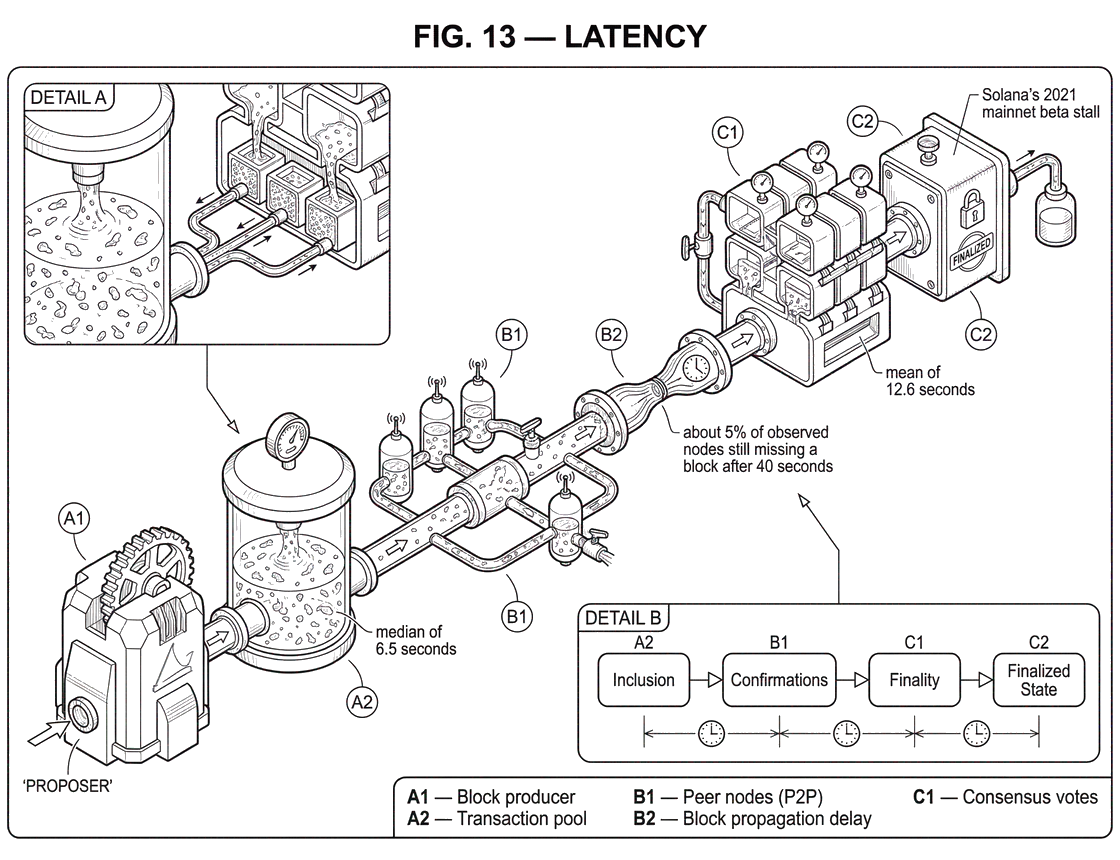
What is Blockchain Latency?
Latency is the time between a blockchain event happening and the network treating it as real enough to act on. That sounds simple, but in practice it spans propagation, inclusion, confirmation, and finality — and each step exposes a different tradeoff between speed, safety, and decentralization.
Mar 21, 2026
•
26 min read
#BLOCKCHAIN
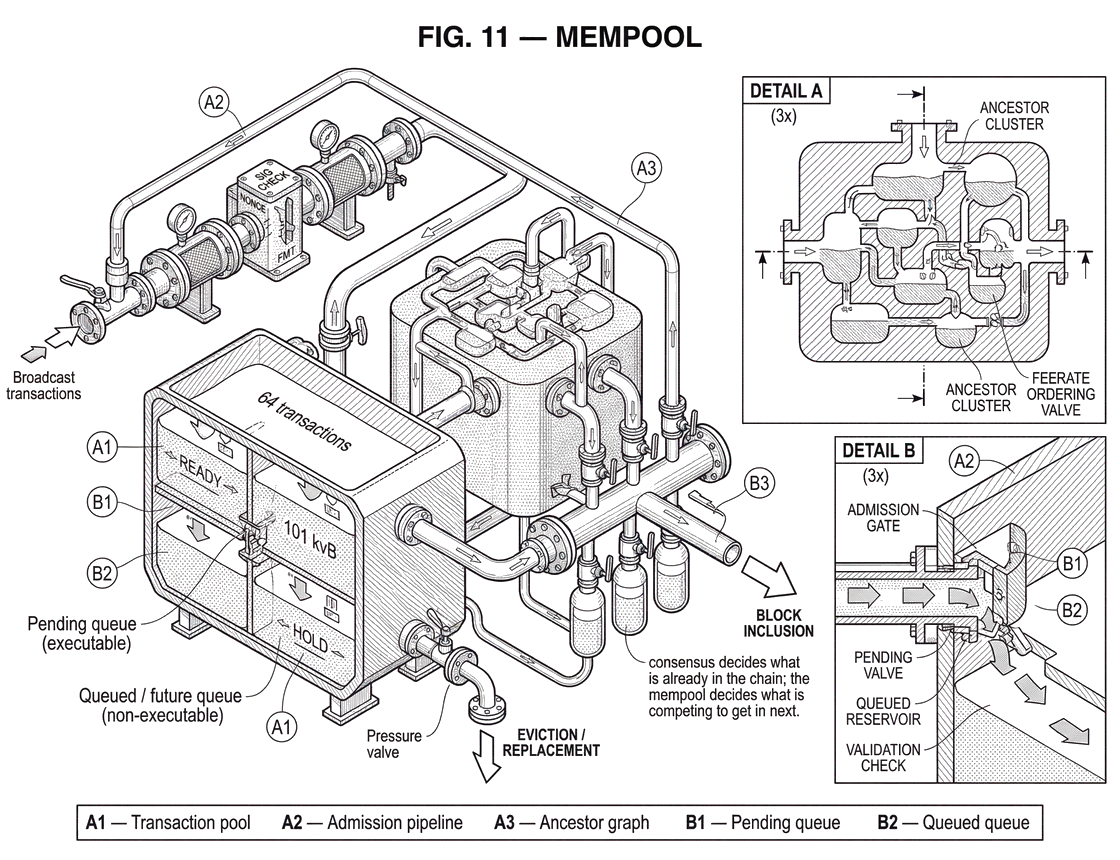
What Is a Mempool?
A mempool is the waiting room where blockchain transactions live after broadcast but before block inclusion. That sounds simple, but the mempool is really where a chain’s fee market, transaction ordering, replacement rules, and much of its MEV exposure are decided.
Mar 21, 2026
•
23 min read
#BLOCKCHAIN
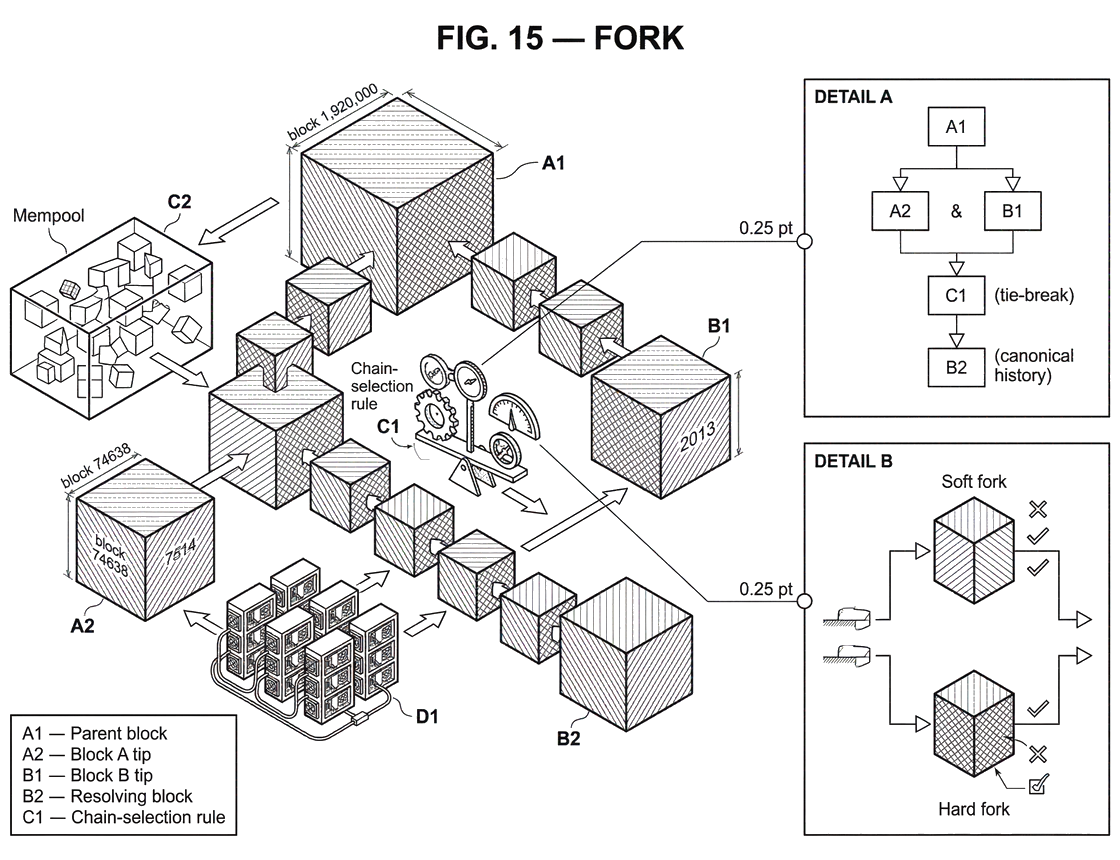
What Is a Fork in Blockchain?
A blockchain fork sounds like a special event, but the basic version happens whenever different nodes temporarily disagree about the latest valid chain. The important question is not just what a fork is, but how a network decides whether to merge back into one history or split into two lasting ones.
Mar 21, 2026
•
24 min read
#BLOCKCHAIN
What is a Genesis Block?
A blockchain promises a shared history, but that history has to start somewhere. The genesis block is that starting point: the first accepted block or initial state that every node treats as the common anchor for everything that follows.
Mar 21, 2026
•
22 min read
#BLOCKCHAIN
1
2