Cube
Trade
Pro
Advanced trading interface with professional tools
Swap
Exchange cryptocurrencies instantly
Bundles
Trade multiple tokens in a single transaction
Algos
Create and manage automated trading strategies
Portfolio
Portfolio
View your cryptocurrency holdings and performance
Orders
Track your open and completed orders
Transactions
View your complete transaction history
Rewards
Rewards Dashboard
View your rewards and claim loot boxes
Blocks Leaderboard
See top traders competing for block rewards
Referral Leaderboard
See top referrers and track referral rankings
Investors
Investor Resources
Browse investor resources and documentation
Presentation (pdf)
Download investor presentation
Settings
Profile
Your profile and account verification
Subaccounts
Separate portfolios across subaccounts
Address Book
Manage saved withdrawal addresses
Multi-Factor Authentication
Add a verification step for sensitive account actions
API Keys
Connect applications to your account
Onramp
Link bank account to buy crypto
Account Recovery
Manage account recovery setup
Learn
News
Read the latest news, announcements, and updates from Cube Exchange
What-Is Guides
Learn about cryptocurrencies
FAQ
Frequently asked questions about Cube Exchange
Fees
View our transparent fee schedule and pricing information
Security
Learn more about Cube Exchange security
About
About
Learn more about Cube Exchange
Legal
Legal information, terms of service, privacy policy, and risk disclosures
EN
Select Language
EN
English
ES
Español
ID
Bahasa Indonesia
JA
日本語
PL
Polski
PT
Português
RU
Россия
TH
แบบไทย
TR
Türkçe
UK
Україна
VI
Tiếng Việt
ZH-CN
简体中文
ZH-TW
繁體中文
Light
Dark
System
Sign In
/
Foundations
/
Execution
/
Foundations: Execution
What Is a State Machine in Blockchain Execution?
A blockchain is not just a ledger of past transactions. At a deeper level, it is a state machine: a system that takes the current state, applies valid inputs in order, and produces one agreed next state. That idea is what makes smart-contract execution legible.
Mar 21, 2026
•
22 min read
#EXECUTION
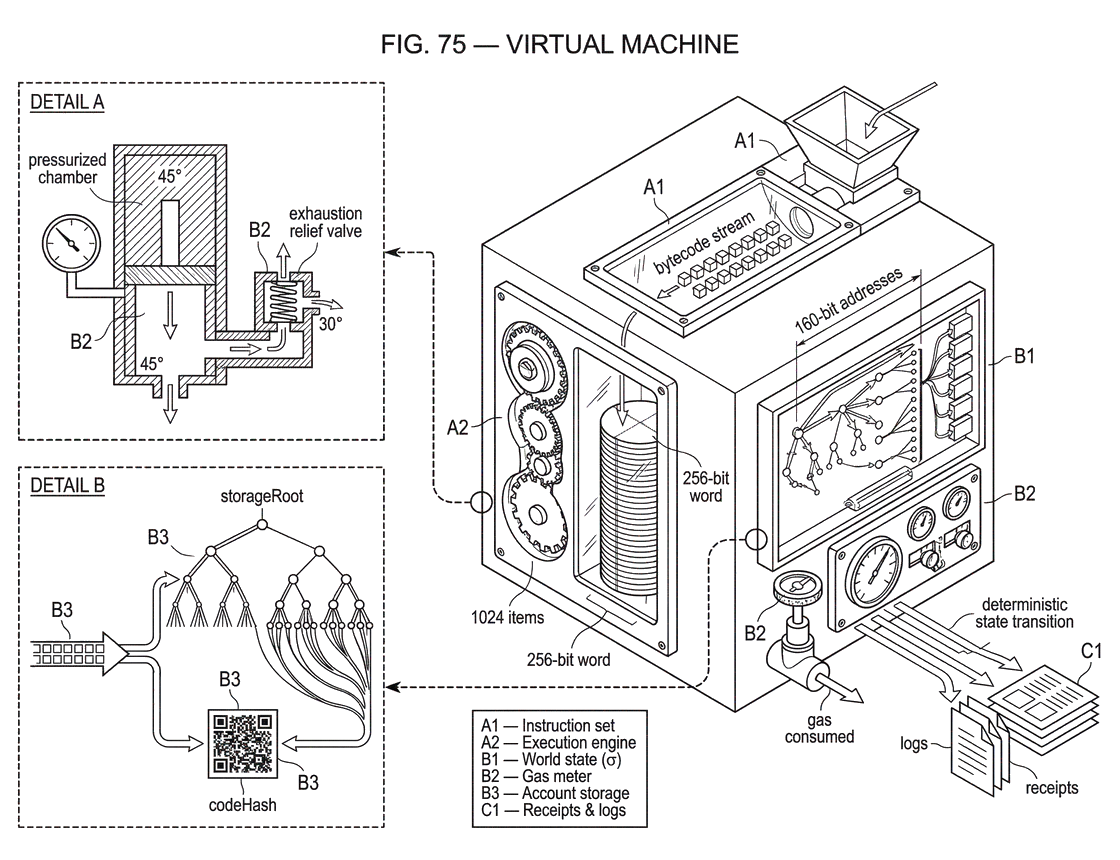
What Is a Virtual Machine in Blockchain?
A blockchain virtual machine is the part of the system that turns transactions into state changes without leaving room for disagreement. It matters because smart contracts are only useful if thousands of nodes can execute the same program, get the same result, and know exactly how much that execution should cost.
Mar 21, 2026
•
26 min read
#EXECUTION
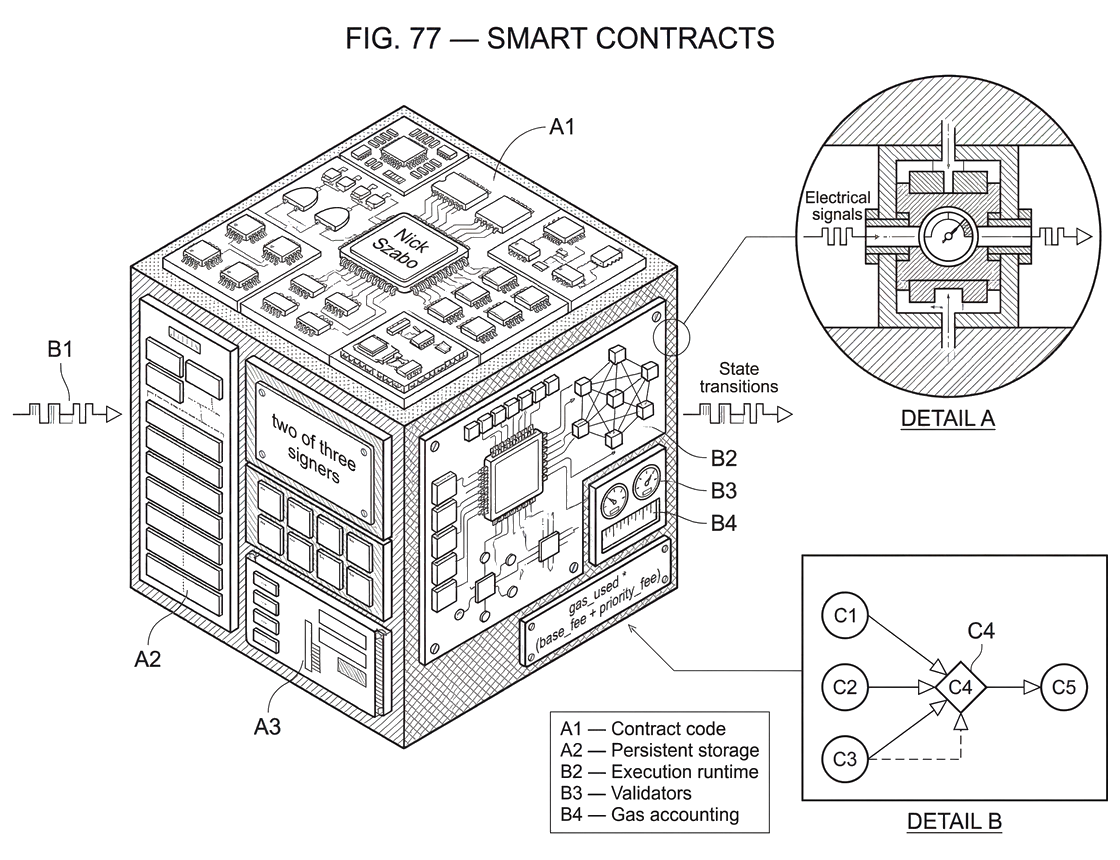
What is a Smart Contract?
Smart contracts matter because they turn blockchain state changes into programmable commitments. The basic idea sounds simple—code that runs on a blockchain—but the real substance is why anyone would trust that code, what it can actually enforce, and where that trust stops.
Mar 21, 2026
•
24 min read
#EXECUTION
What Is a Solana Program?
Solana programs look like smart contracts, but they work on a different architectural idea: code is separate from state, and every transaction must declare the accounts it will touch. That design is a big reason Solana can execute quickly in parallel, but it also changes how developers think about storage, authority, upgrades, and limits.
Mar 21, 2026
•
25 min read
#EXECUTION
What Is Deterministic Execution?
Deterministic execution is the quiet rule that makes blockchains work: every node must compute the same result from the same transaction and state. If contract execution could depend on local time, randomness, or machine quirks, the network would stop agreeing on what happened.
Mar 21, 2026
•
25 min read
#EXECUTION
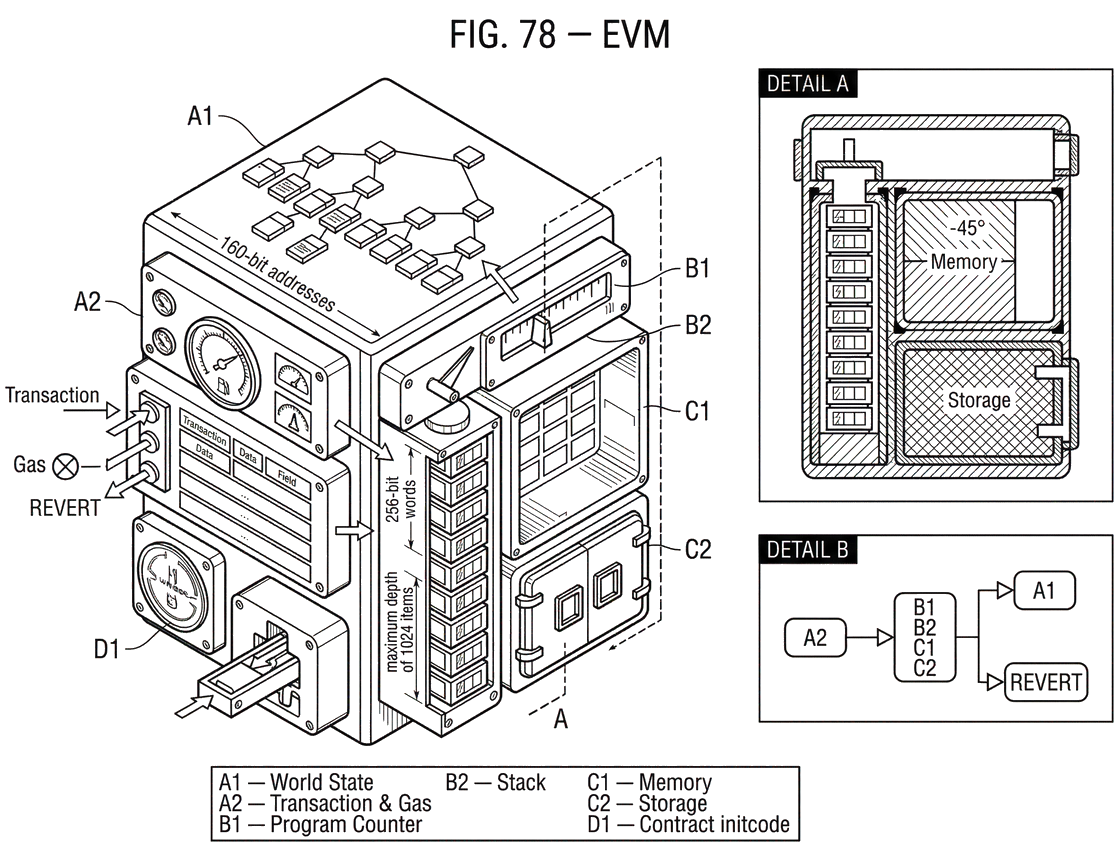
What is the EVM?
The EVM matters because blockchains need more than a ledger: they need a machine every node can run and agree on exactly. Ethereum’s answer is the Ethereum Virtual Machine, a metered, deterministic runtime that turns transactions into state changes without relying on any single computer.
Mar 21, 2026
•
25 min read
#EXECUTION
What is WASM (WebAssembly)?
WebAssembly matters because it separates *how software is written* from *where it runs*. It gives programs a compact, portable, sandboxed execution format that can work in browsers, servers, and smart contract runtimes—while still coming with important constraints around host access, determinism, and interoperability.
Mar 21, 2026
•
25 min read
#EXECUTION