Cube
Trade
Pro
Advanced trading interface with professional tools
Swap
Exchange cryptocurrencies instantly
Bundles
Trade multiple tokens in a single transaction
Algos
Create and manage automated trading strategies
Portfolio
Portfolio
View your cryptocurrency holdings and performance
Orders
Track your open and completed orders
Transactions
View your complete transaction history
Rewards
Rewards Dashboard
View your rewards and claim loot boxes
Blocks Leaderboard
See top traders competing for block rewards
Referral Leaderboard
See top referrers and track referral rankings
Investors
Investor Resources
Browse investor resources and documentation
Presentation (pdf)
Download investor presentation
Settings
Profile
Your profile and account verification
Subaccounts
Separate portfolios across subaccounts
Address Book
Manage saved withdrawal addresses
Multi-Factor Authentication
Add a verification step for sensitive account actions
API Keys
Connect applications to your account
Onramp
Link bank account to buy crypto
Account Recovery
Manage account recovery setup
Learn
News
Read the latest news, announcements, and updates from Cube Exchange
What-Is Guides
Learn about cryptocurrencies
FAQ
Frequently asked questions about Cube Exchange
Fees
View our transparent fee schedule and pricing information
Security
Learn more about Cube Exchange security
About
About
Learn more about Cube Exchange
Legal
Legal information, terms of service, privacy policy, and risk disclosures
EN
Select Language
EN
English
ES
Español
ID
Bahasa Indonesia
JA
日本語
PL
Polski
PT
Português
RU
Россия
TH
แบบไทย
TR
Türkçe
UK
Україна
VI
Tiếng Việt
ZH-CN
简体中文
ZH-TW
繁體中文
Light
Dark
System
Sign In
/
Foundations
/
Security
/
Foundations: Security
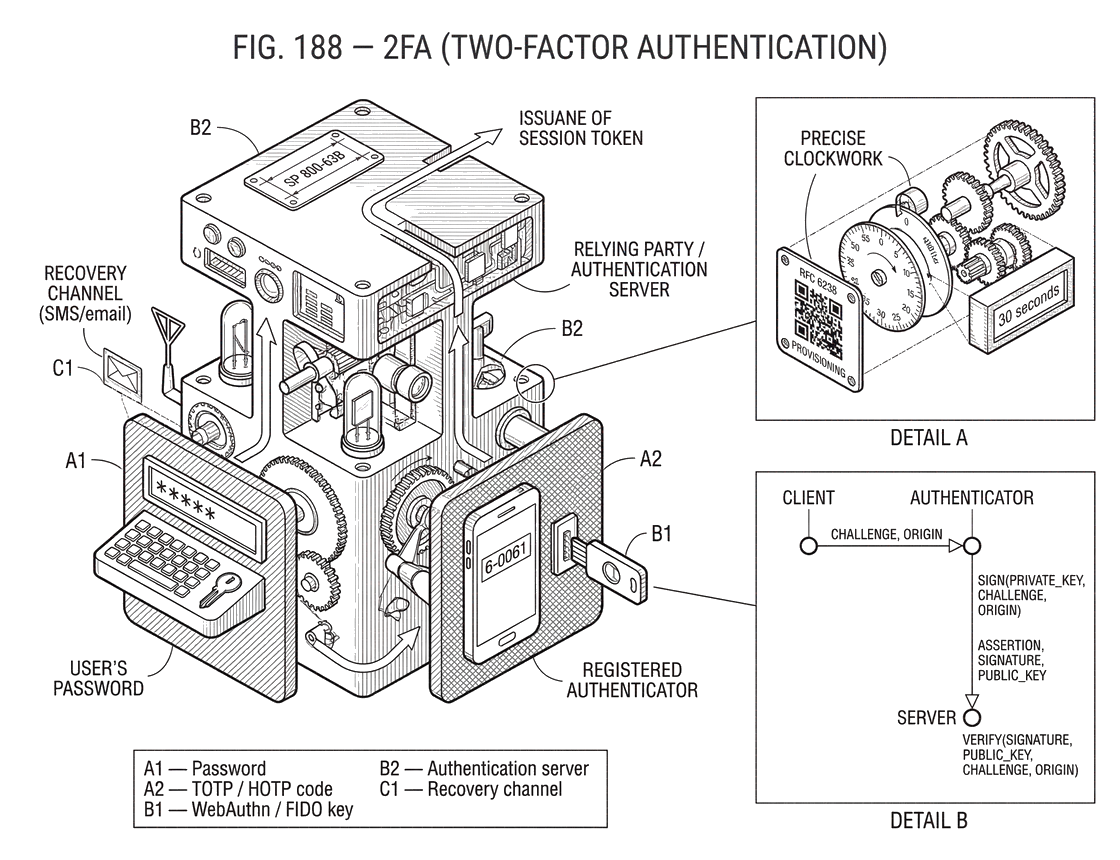
What Is 2FA (Two-Factor Authentication)?
Two-factor authentication matters because passwords fail in a predictable way: they can be guessed, reused, stolen, or phished. 2FA changes the attack from “know one secret” to “break two different mechanisms,” which is why it helps so much — and why some forms of 2FA are much stronger than others.
Mar 21, 2026
•
23 min read
#SECURITY
What is Smart Contract Risk?
Smart contract risk is what happens when software directly controls assets, permissions, and financial logic on a blockchain. The unusual part is not just that bugs exist, but that the bug can become the public, irreversible behavior of the system once the contract is deployed.
Mar 21, 2026
•
26 min read
#SECURITY
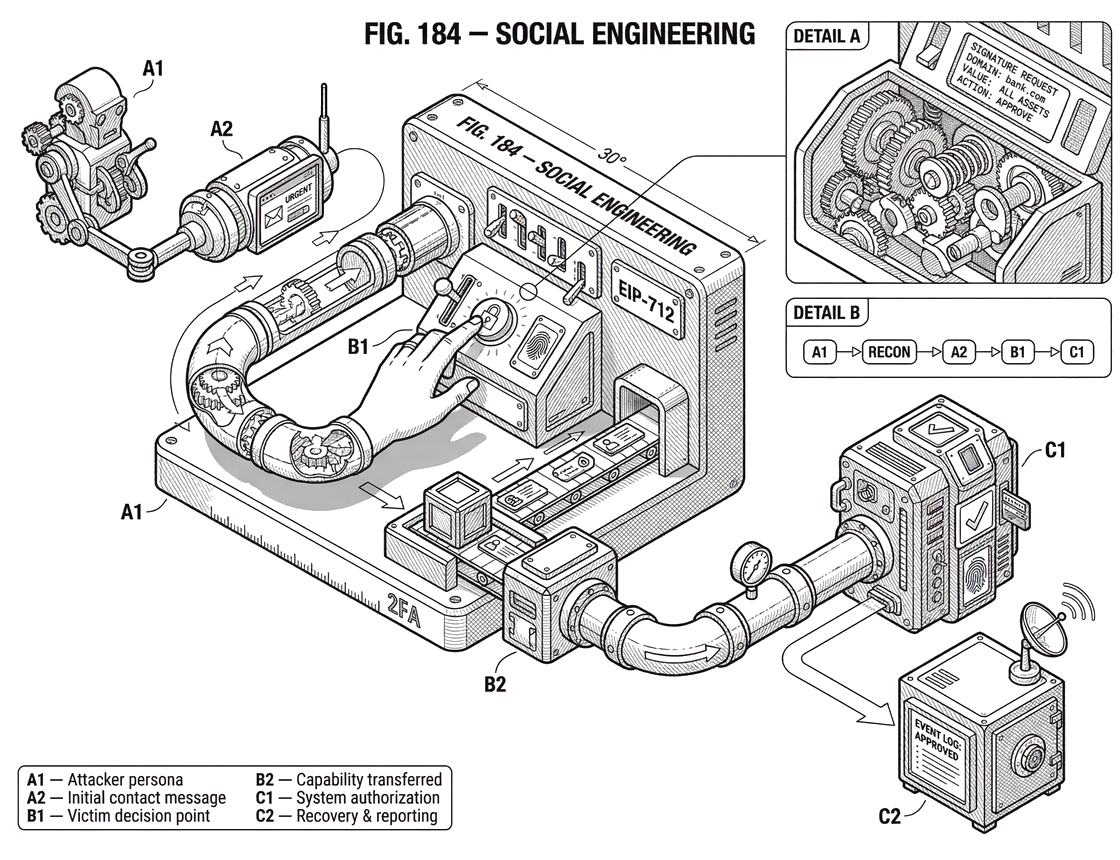
What Is Social Engineering?
Social engineering is not mainly about malware or broken cryptography. It is about getting a human to do the attacker’s work: reveal information, grant trust, or approve an action that a system would otherwise block.
Mar 21, 2026
•
25 min read
#SECURITY
What is Transaction Simulation?
Transaction simulation matters because blockchain transactions are hard to undo, but what you sign is often more opaque than it looks. By executing a transaction off-chain first, wallets and developers can preview asset movements, internal calls, and failures before committing real funds.
Mar 21, 2026
•
26 min read
#SECURITY
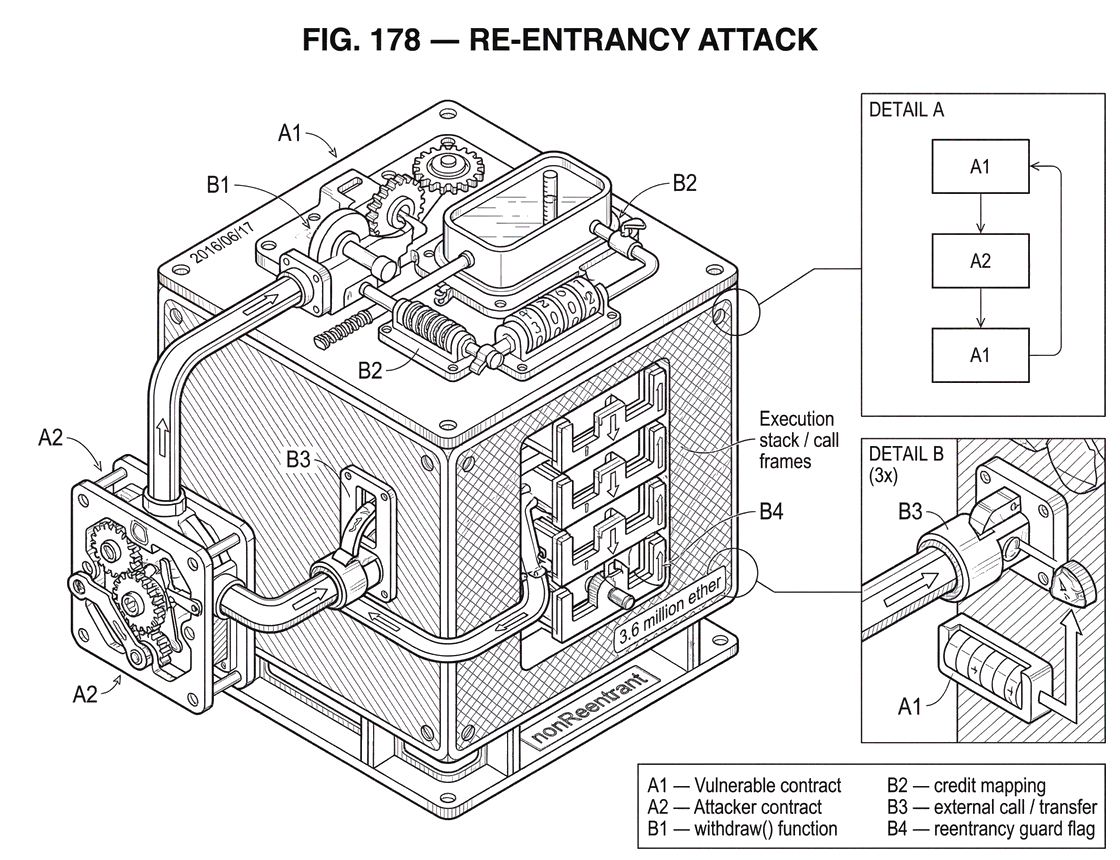
What is a Re-Entrancy Attack?
A re-entrancy attack happens when a contract gives control to an external contract before finishing its own bookkeeping. That small ordering mistake can let an attacker come back in through the same door repeatedly and withdraw, mint, or manipulate state as if the first action never happened.
Mar 21, 2026
•
25 min read
#SECURITY
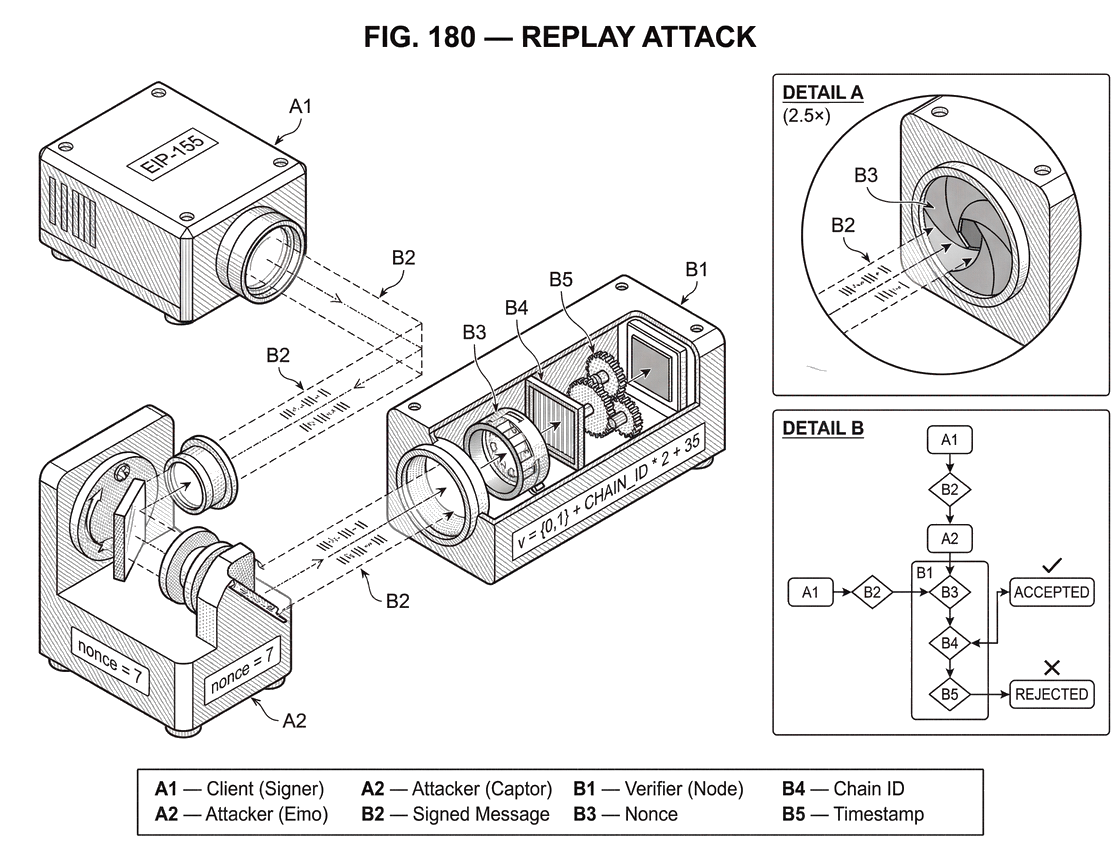
What is a Replay Attack?
A replay attack works not by breaking a signature, but by reusing a valid one in a context where it still counts. That simple idea explains why modern systems add nonces, timestamps, session binding, genesis hashes, and chain IDs: they are ways of making “valid once” stop meaning “valid forever, everywhere.”
Mar 21, 2026
•
26 min read
#SECURITY
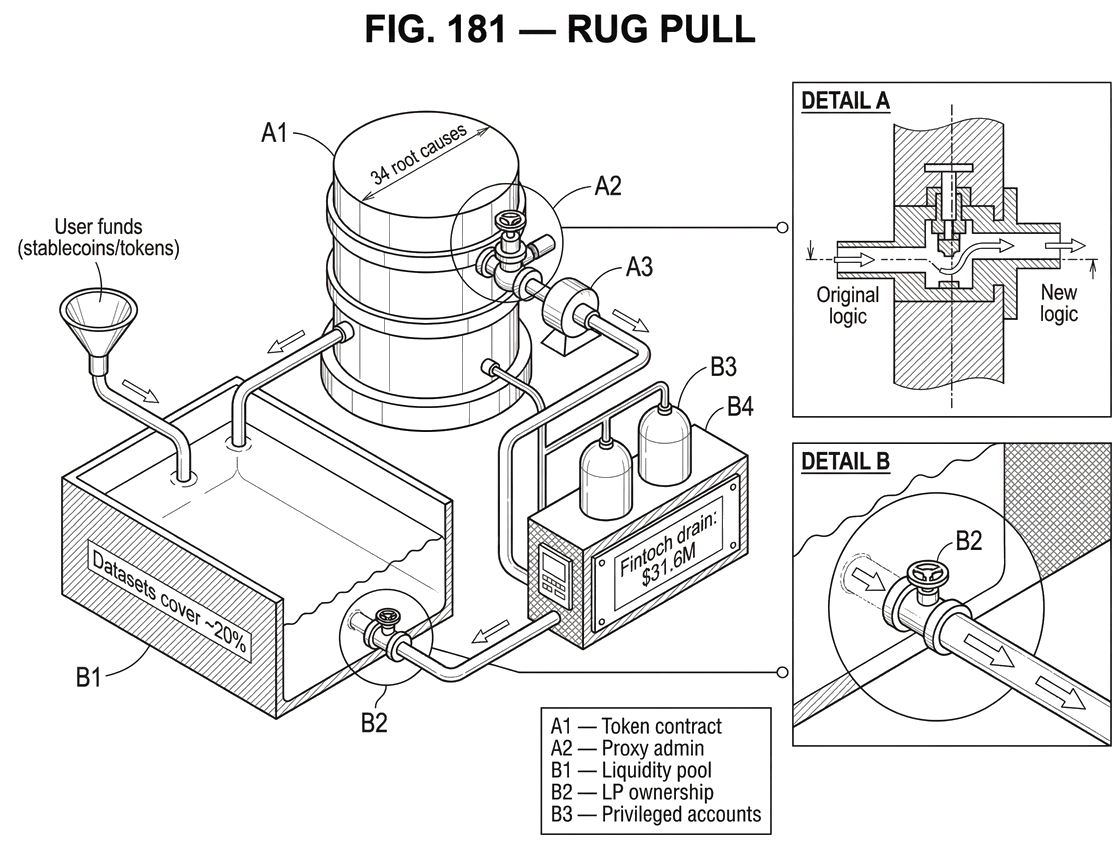
What Is a Rug Pull?
A rug pull is not just \"a crypto scam.\" It is a failure of control: someone retains the power to change rules, drain liquidity, mint supply, or exploit approvals after users have trusted the system. Understanding rug pulls means understanding where that power lives, how it is hidden, and what controls actually limit it.
Mar 21, 2026
•
23 min read
#SECURITY
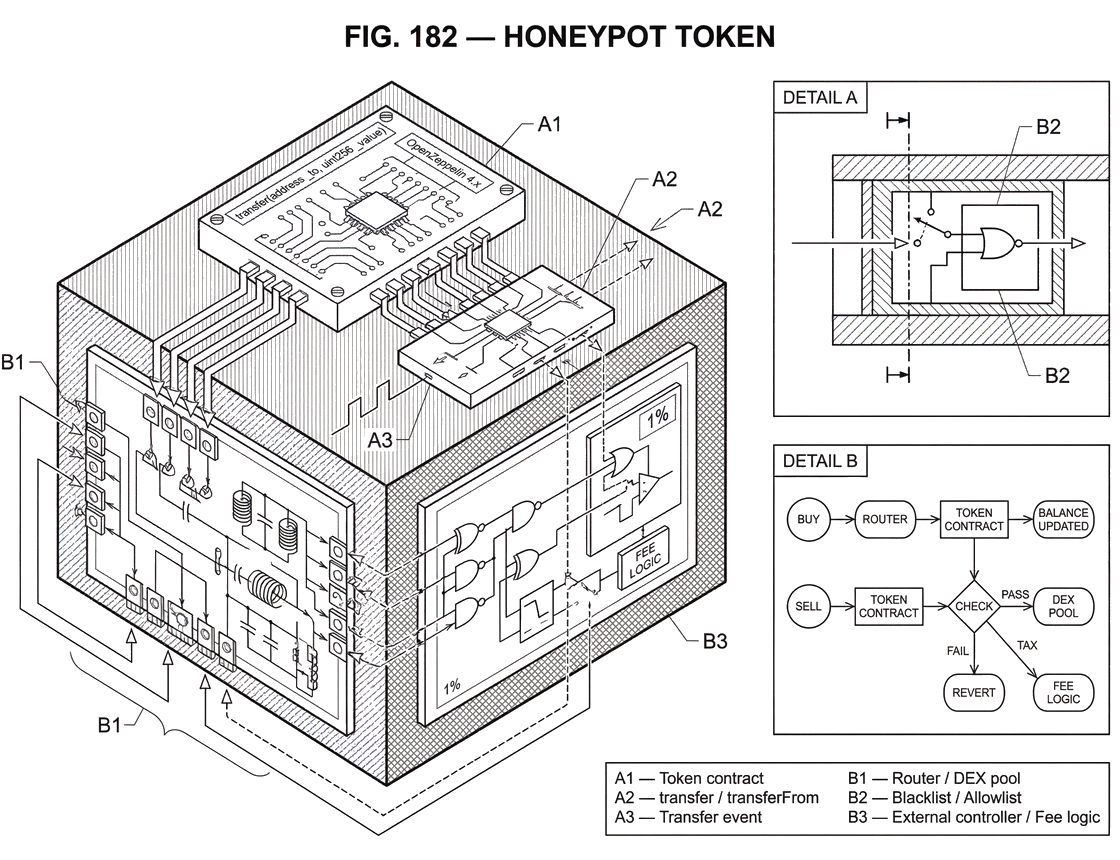
What is a Honeypot Token?
A honeypot token solves a scammer’s hardest problem in a decentralized market: how to let people buy while quietly making exit impossible. The trap often looks like an ordinary token trade, but the key behavior is asymmetric permission — entry is open, selling is blocked, taxed into uselessness, or selectively allowed only for insiders.
Mar 21, 2026
•
23 min read
#SECURITY
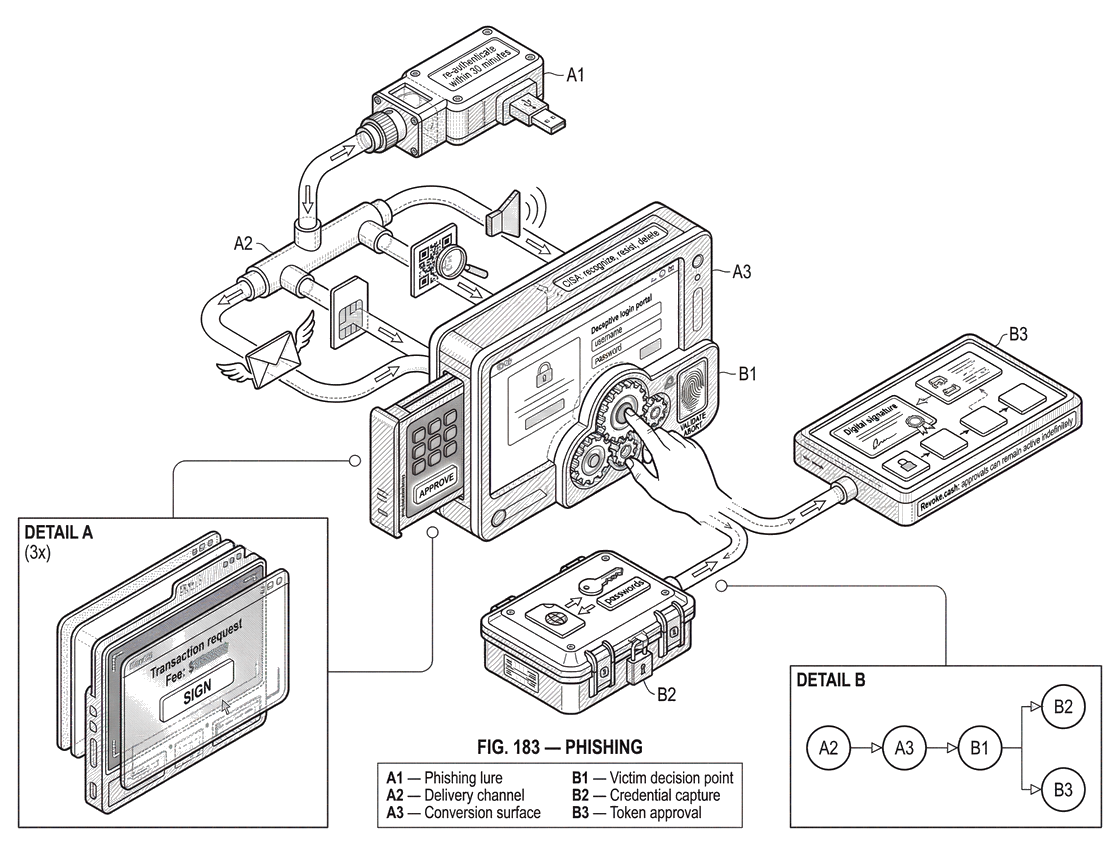
What Is Phishing?
Phishing is not mainly a malware problem or an email problem. It is a decision-manipulation problem: an attacker gets a real person to authenticate the wrong thing, trust the wrong interface, or approve the wrong action. That is why phishing keeps working even as technical defenses improve.
Mar 21, 2026
•
25 min read
#SECURITY
What is Bug Bounty?
Bug bounty programs try to solve a hard security problem: the people best able to find your flaws often live outside your organization. By turning unsolicited hacking into a structured, authorized, and rewarded reporting process, bug bounties can uncover real vulnerabilities earlier—but only if scope, triage, remediation, and safe harbor are designed well.
Mar 21, 2026
•
24 min read
#SECURITY
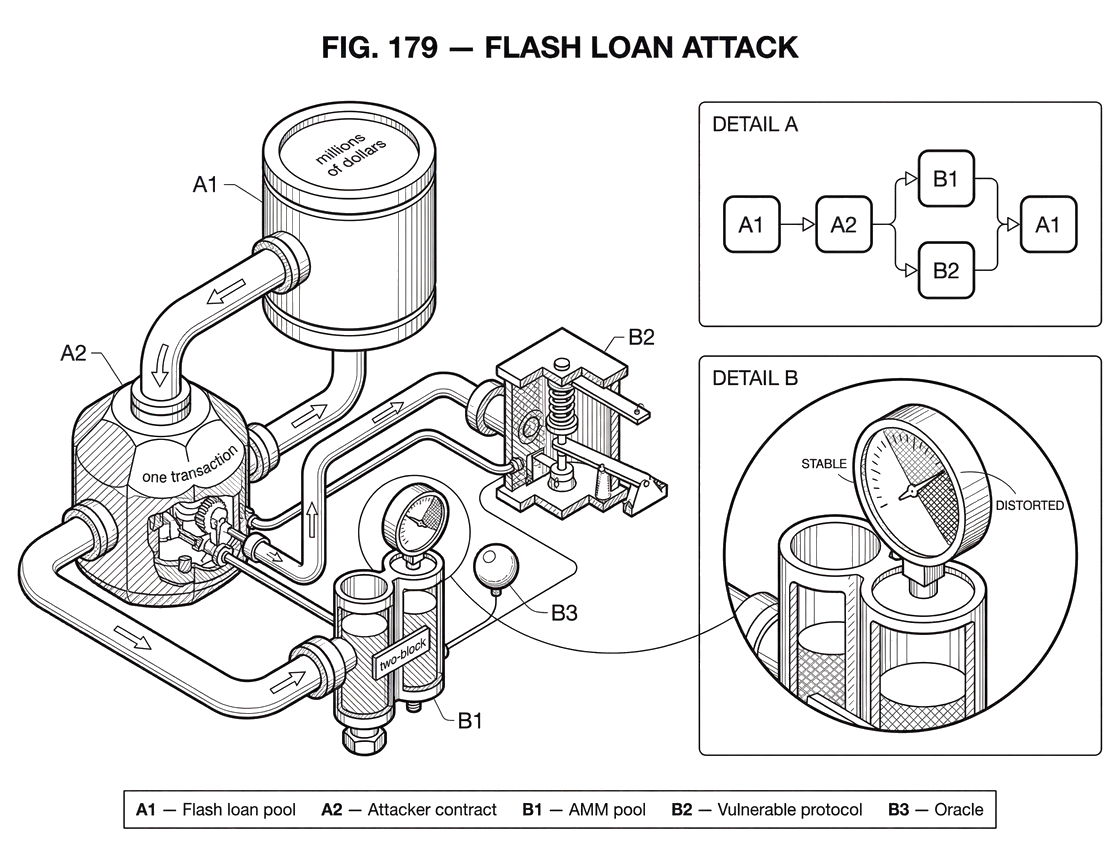
What is a Flash Loan Attack?
A flash loan attack looks like a lending exploit, but the loan is often just the fuel. The real failure is usually elsewhere: a protocol trusts a price, balance, or accounting rule that can be distorted for one transaction, and flash liquidity makes that distortion cheap enough to exploit.
Mar 21, 2026
•
23 min read
#SECURITY
What is Allowlist/Blocklist?
Allowlists and blocklists look similar on the surface: both are just lists of things to permit or deny. But they embody very different security assumptions. The difference between “allow known good” and “block known bad” explains why these controls are useful, where they fail, and why they show up everywhere from login systems to crypto exchange withdrawals.
Mar 21, 2026
•
24 min read
#SECURITY
1
2