Cube
Trade
Pro
Advanced trading interface with professional tools
Swap
Exchange cryptocurrencies instantly
Bundles
Trade multiple tokens in a single transaction
Algos
Create and manage automated trading strategies
Portfolio
Portfolio
View your cryptocurrency holdings and performance
Orders
Track your open and completed orders
Transactions
View your complete transaction history
Rewards
Rewards Dashboard
View your rewards and claim loot boxes
Blocks Leaderboard
See top traders competing for block rewards
Referral Leaderboard
See top referrers and track referral rankings
Investors
Investor Resources
Browse investor resources and documentation
Presentation (pdf)
Download investor presentation
Settings
Profile
Your profile and account verification
Subaccounts
Separate portfolios across subaccounts
Address Book
Manage saved withdrawal addresses
Multi-Factor Authentication
Add a verification step for sensitive account actions
API Keys
Connect applications to your account
Onramp
Link bank account to buy crypto
Account Recovery
Manage account recovery setup
Learn
News
Read the latest news, announcements, and updates from Cube Exchange
What-Is Guides
Learn about cryptocurrencies
FAQ
Frequently asked questions about Cube Exchange
Fees
View our transparent fee schedule and pricing information
Security
Learn more about Cube Exchange security
About
About
Learn more about Cube Exchange
Legal
Legal information, terms of service, privacy policy, and risk disclosures
EN
Select Language
EN
English
ES
Español
ID
Bahasa Indonesia
JA
日本語
PL
Polski
PT
Português
RU
Россия
TH
แบบไทย
TR
Türkçe
UK
Україна
VI
Tiếng Việt
ZH-CN
简体中文
ZH-TW
繁體中文
Light
Dark
System
Sign In
/
Foundations
/
Foundations
Core blockchain and crypto concepts: wallets, keys, consensus, and the building blocks of Web3.
#BLOCKCHAIN
#CONSENSUS
#CRYPTOGRAPHY
#DEFI
#EXECUTION
#GOVERNANCE
#INFRASTRUCTURE
#INTEROPERABILITY
#ORACLES
#PRIVACY
#SCALING
#SECURITY
#STAKING
#TOKENS
#TRANSACTIONS
#WALLETS
What Is a Miner in Blockchain Consensus?
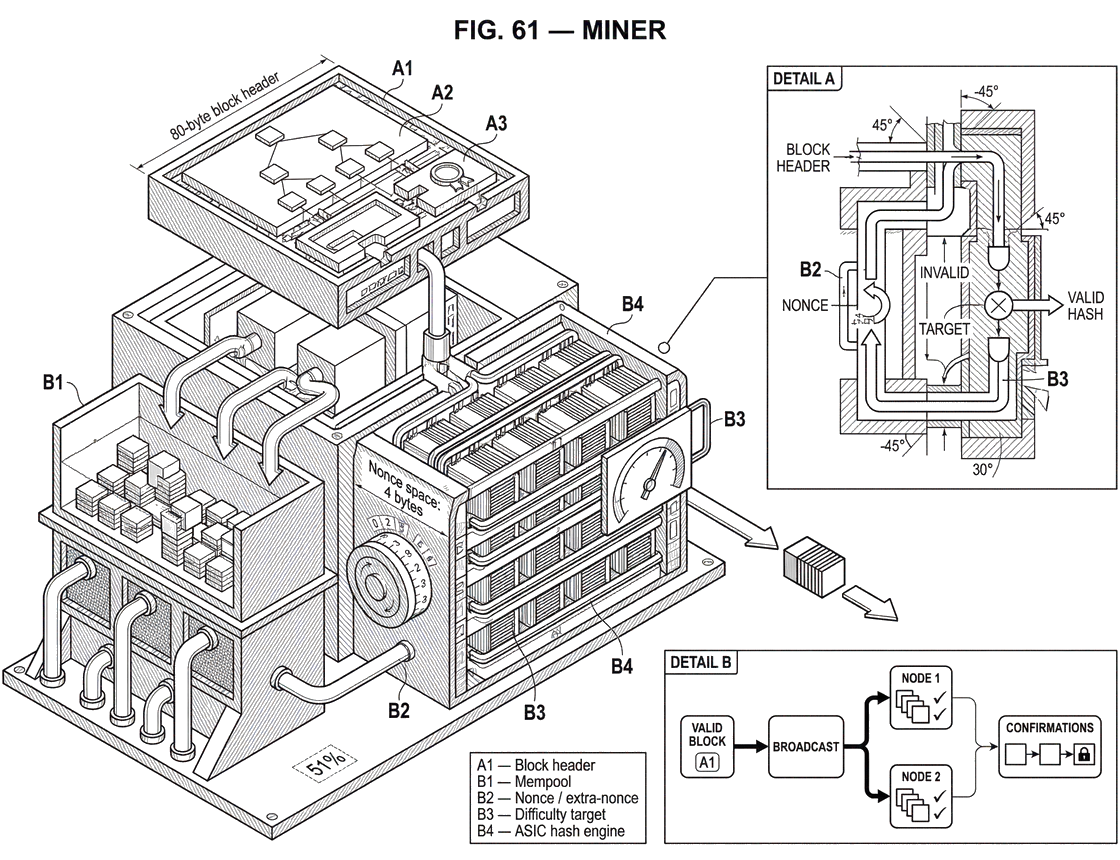
A miner is the actor that turns raw computational work into blockchain history. In Proof-of-Work systems, miners do more than add blocks: they decide transaction ordering, provide the economic engine of security, and expose the assumptions that make the chain hard to rewrite.
Mar 21, 2026
•
23 min read
#CONSENSUS
What Is PBFT (Practical Byzantine Fault Tolerance)?
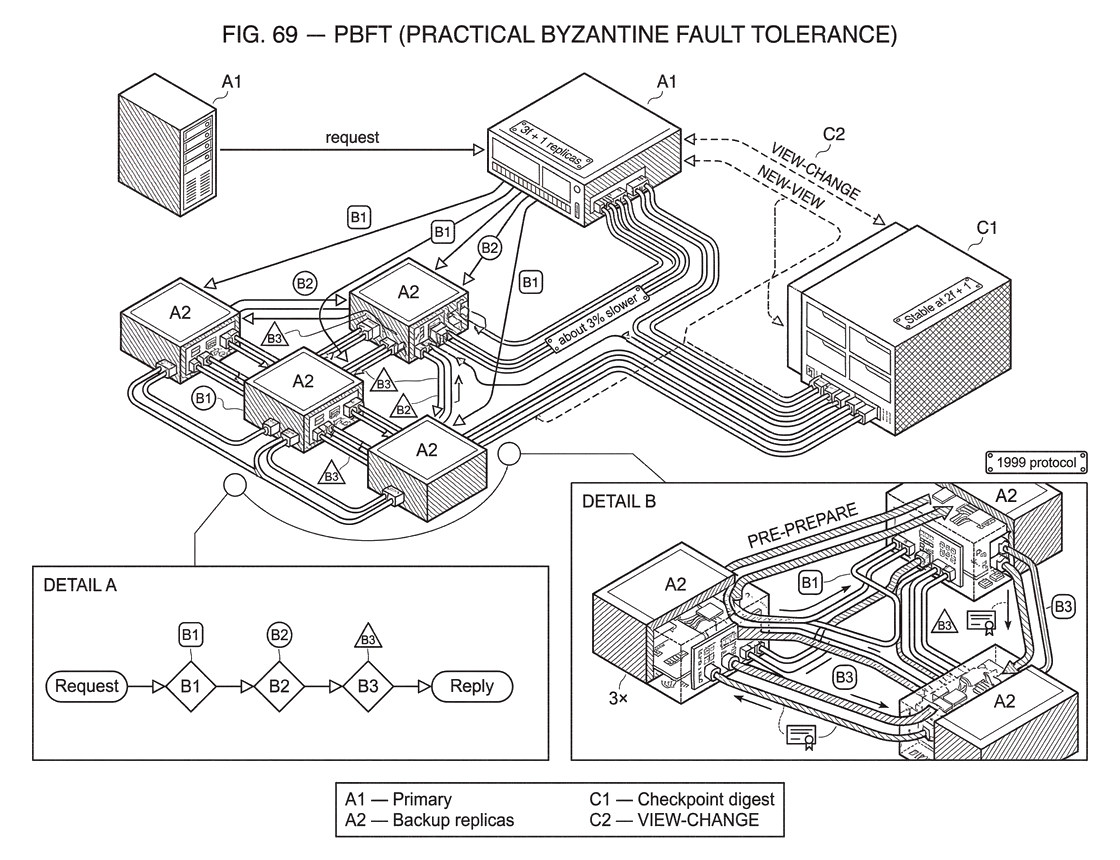
PBFT matters because it answered a hard question: how can a distributed system keep a single, correct history even when some replicas lie, equivocate, or go offline? Its design became the template for much of modern Byzantine fault-tolerant consensus, especially in permissioned systems and several blockchain families.
Mar 21, 2026
•
26 min read
#CONSENSUS
What Is Proof of Authority?
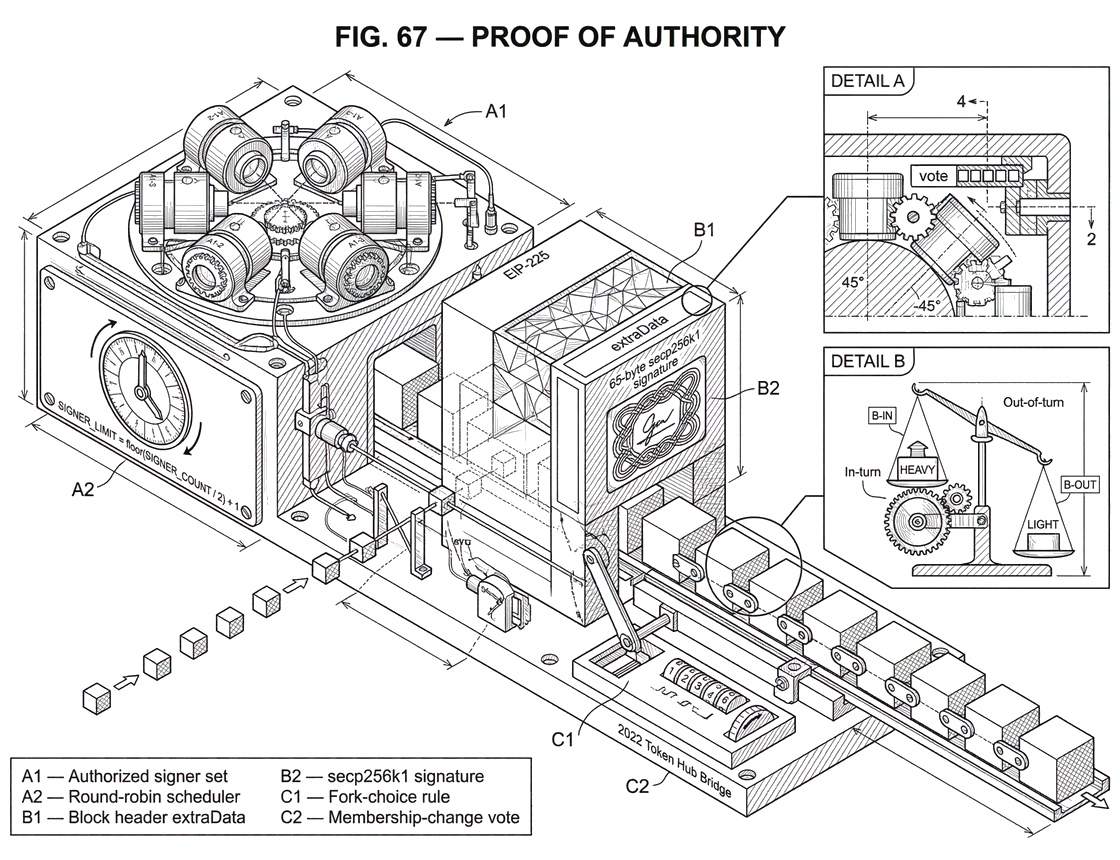
Proof of Authority is a blockchain consensus design that replaces open competition with a short list of approved block producers. That simple change makes networks faster and cheaper to run, but it also changes the trust model: security depends less on anonymous economics and more on who the authorities are, how they are chosen, and what happens when they fail.
Mar 21, 2026
•
26 min read
#CONSENSUS
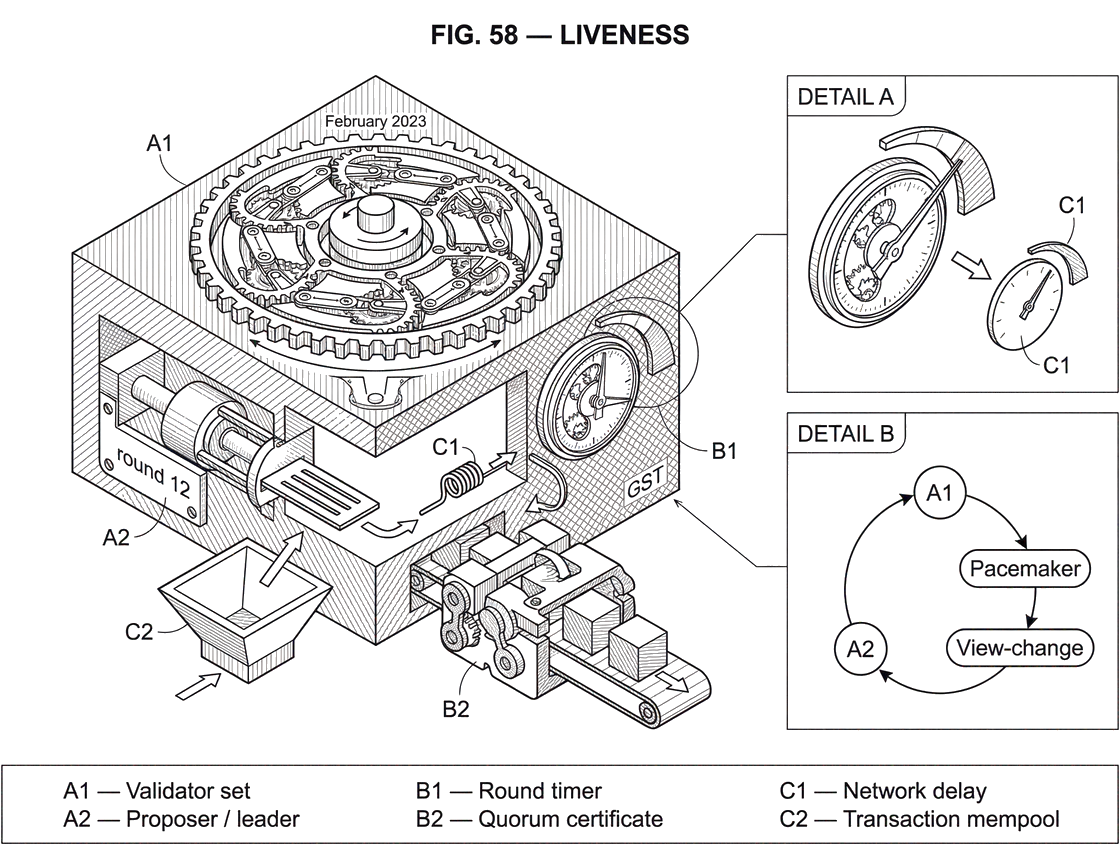
What Is Liveness in Consensus?
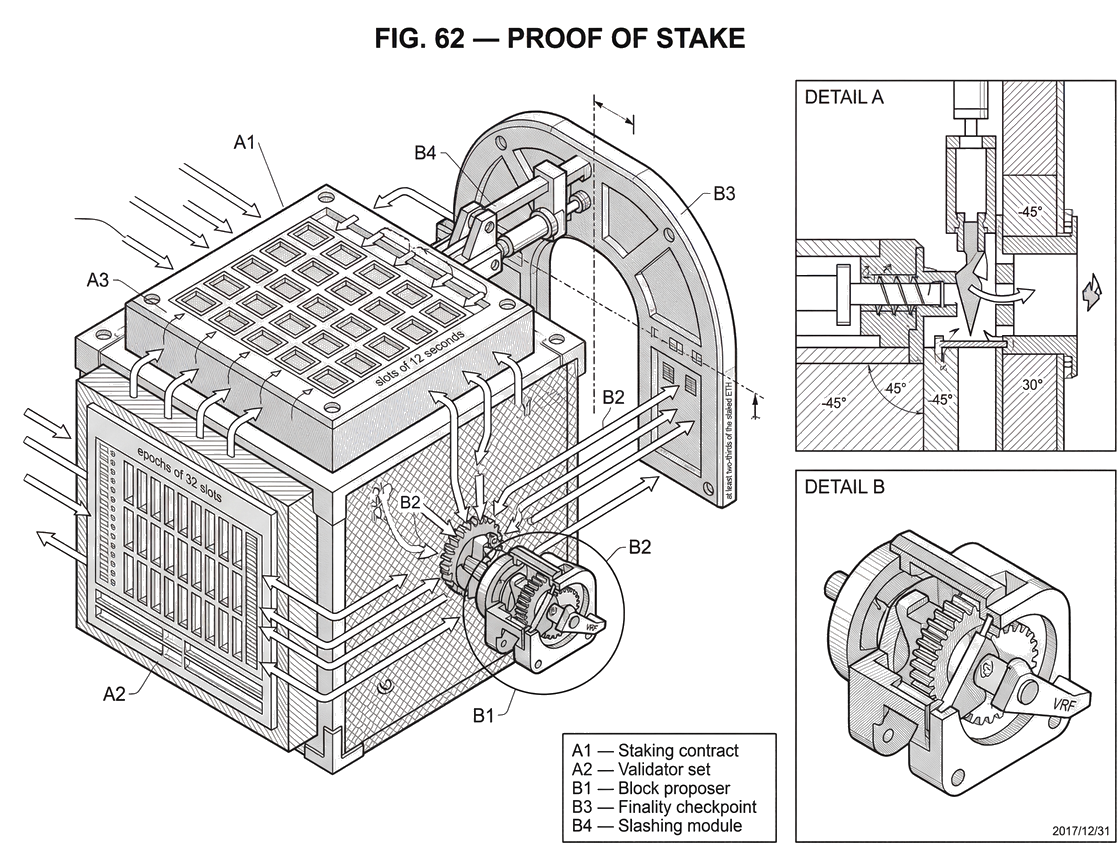
Liveness is the part of consensus that asks a simple but unforgiving question: will the system keep making progress? In blockchains, that means transactions eventually get included and blocks eventually get finalized — but only under specific assumptions about time, faults, and the network.
Mar 21, 2026
•
24 min read
#CONSENSUS
What Is a Fork Choice Rule?
A blockchain can produce multiple valid-looking histories at the same time. A fork choice rule is the decision procedure that tells every honest node which branch to treat as canonical, turning a messy tree of blocks into one usable ledger.
Mar 21, 2026
•
26 min read
#CONSENSUS
What is Leader Election?
Leader election is the part of consensus that decides who gets to speak first. That sounds like a scheduling detail, but it turns out to be one of the main ways distributed systems recover from failure, limit chaos, and control who has temporary power over block ordering.
Mar 21, 2026
•
24 min read
#CONSENSUS
What Is Federated Consensus?
Federated consensus tries to solve a hard problem in an unusual way: let anyone join a network, but let each participant decide for itself whom to trust. The result is a consensus model built from overlapping trust choices rather than a single fixed validator set — powerful when configured well, fragile when those trust relationships do not intersect safely.
Mar 21, 2026
•
23 min read
#CONSENSUS
What Is a Checkpoint in Blockchain Consensus?
A checkpoint is a compact marker for “where the chain stands” at a meaningful boundary. It matters because consensus systems need a stable point to vote on, finalize around, or sync from without replaying everything from genesis.
Mar 21, 2026
•
22 min read
#CONSENSUS
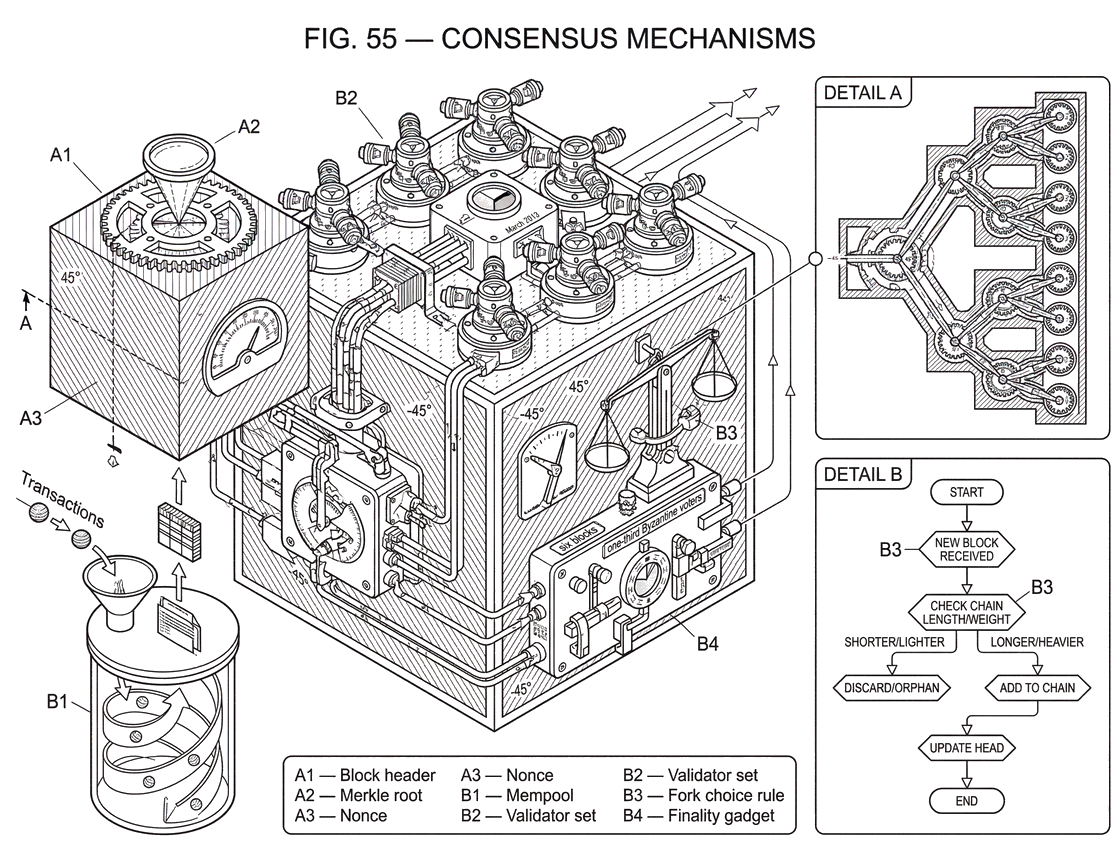
What is a Consensus Mechanism?
Consensus mechanisms are the answer to a deceptively hard question: how can many machines that do not fully trust one another still agree on a single history? Their design determines not just security, but also who gets influence, how quickly transactions feel final, and what kinds of failures a blockchain can survive.
Mar 21, 2026
•
26 min read
#CONSENSUS
What Is Delegated Proof of Stake?
Delegated Proof of Stake tries to solve a hard tradeoff in blockchains: how to get fast, cheap consensus without handing permanent control to a small club. It does that by letting token holders elect a limited set of block producers — which improves performance, but makes the system depend much more on governance, voter behavior, and concentration of power.
Mar 21, 2026
•
25 min read
#CONSENSUS
What is the UTXO Model?
The UTXO model treats money on a blockchain not as a balance inside an account, but as a collection of spendable pieces created by past transactions. That small shift changes how validation, privacy, fees, parallelism, and smart contract design work across systems from Bitcoin to extended UTXO chains.
Mar 21, 2026
•
22 min read
#BLOCKCHAIN
What Is an Uncle Block?
Uncle blocks reveal a basic fact about proof-of-work blockchains: the network is never perfectly synchronized. Two miners can do valid work at nearly the same time, and the protocol must decide what to keep, what to discard, and how much of that “lost” work should still count.
Mar 21, 2026
•
21 min read
#BLOCKCHAIN
1
2
3
4
5
6
7
8
9
10
11
12
13
14
15
16
17
18
19