Cube
Trade
Pro
Advanced trading interface with professional tools
Swap
Exchange cryptocurrencies instantly
Bundles
Trade multiple tokens in a single transaction
Algos
Create and manage automated trading strategies
Portfolio
Portfolio
View your cryptocurrency holdings and performance
Orders
Track your open and completed orders
Transactions
View your complete transaction history
Rewards
Rewards Dashboard
View your rewards and claim loot boxes
Blocks Leaderboard
See top traders competing for block rewards
Referral Leaderboard
See top referrers and track referral rankings
Investors
Investor Resources
Browse investor resources and documentation
Presentation (pdf)
Download investor presentation
Settings
Profile
Your profile and account verification
Subaccounts
Separate portfolios across subaccounts
Address Book
Manage saved withdrawal addresses
Multi-Factor Authentication
Add a verification step for sensitive account actions
API Keys
Connect applications to your account
Onramp
Link bank account to buy crypto
Account Recovery
Manage account recovery setup
Learn
News
Read the latest news, announcements, and updates from Cube Exchange
What-Is Guides
Learn about cryptocurrencies
FAQ
Frequently asked questions about Cube Exchange
Fees
View our transparent fee schedule and pricing information
Security
Learn more about Cube Exchange security
About
About
Learn more about Cube Exchange
Legal
Legal information, terms of service, privacy policy, and risk disclosures
EN
Select Language
EN
English
ES
Español
ID
Bahasa Indonesia
JA
日本語
PL
Polski
PT
Português
RU
Россия
TH
แบบไทย
TR
Türkçe
UK
Україна
VI
Tiếng Việt
ZH-CN
简体中文
ZH-TW
繁體中文
Light
Dark
System
Sign In
/
Foundations
/
Consensus
/
Foundations: Consensus
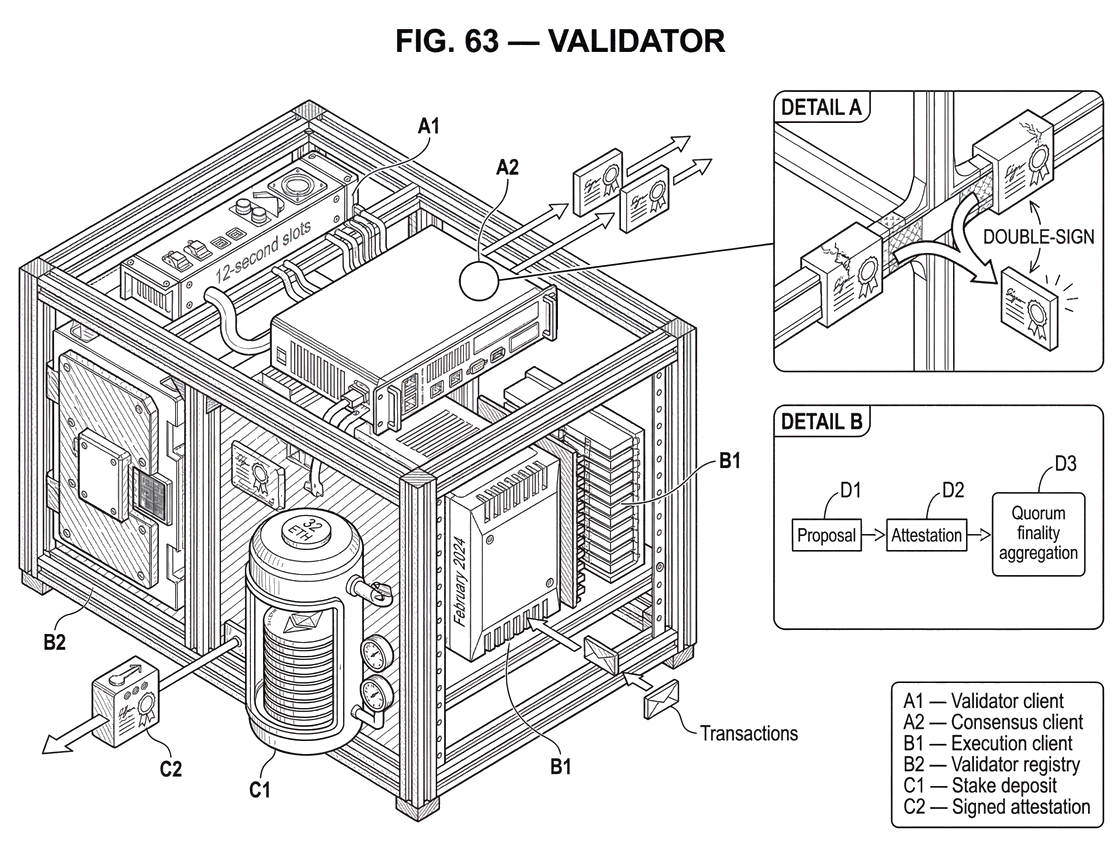
What is a Validator?
A validator is the actor a proof-of-stake system trusts to keep time, check blocks, and help decide what the chain is. That sounds simple until you ask the hard question: why should anyone believe them? The answer is a mix of stake, signatures, protocol rules, and penalties that make honest behavior the safer path.
Mar 21, 2026
•
26 min read
#CONSENSUS
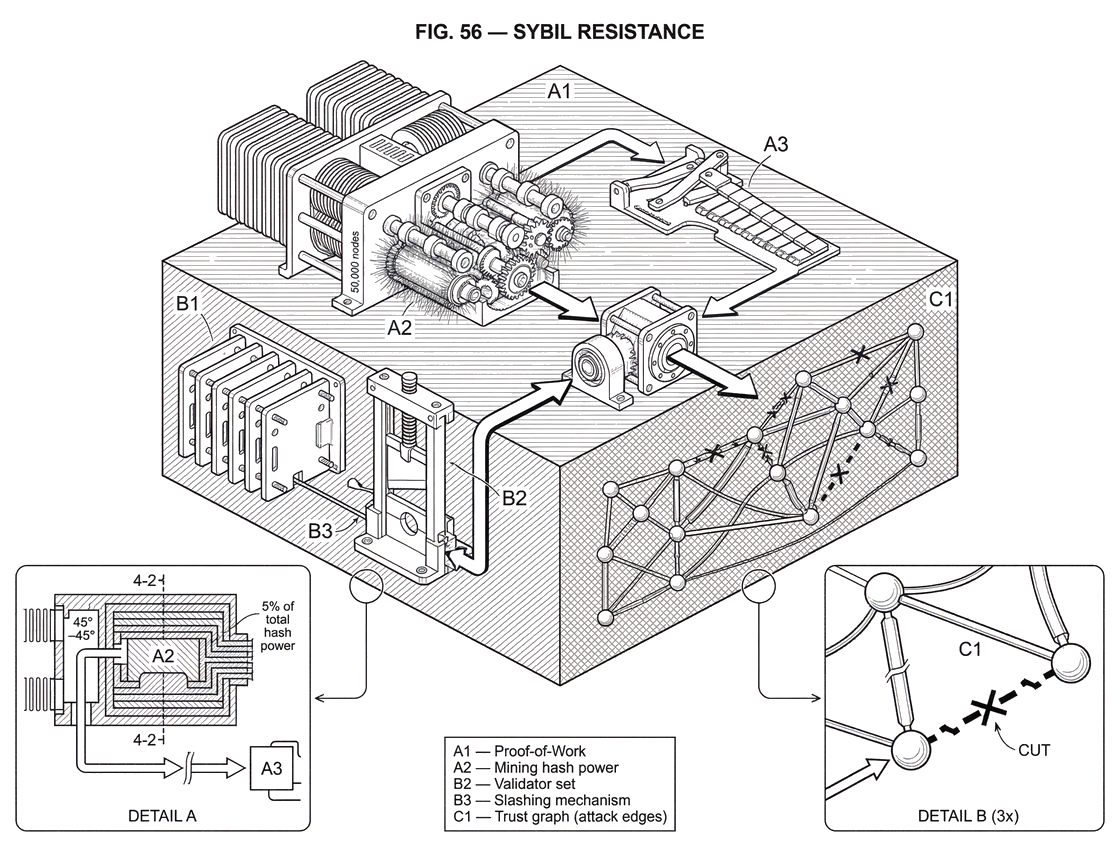
What is Sybil Resistance?
Sybil resistance is the reason a blockchain cannot be taken over just by spinning up thousands of fake nodes. The hard part is not detecting fake names; it is making influence expensive, so consensus tracks scarce resources or trusted membership rather than raw identity count.
Mar 21, 2026
•
24 min read
#CONSENSUS
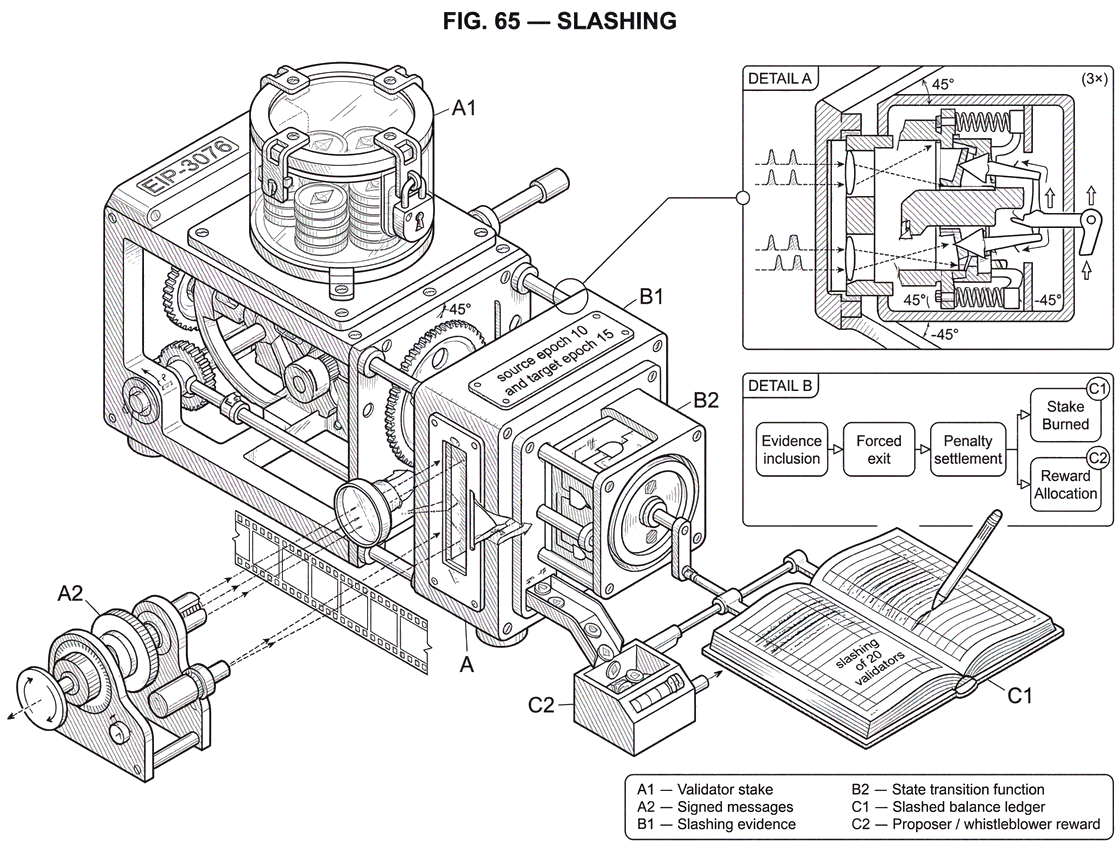
What Is Slashing?
Slashing is the mechanism that gives proof-of-stake systems real teeth. By destroying part of a validator’s stake for provable misbehavior, it turns equivocation from a cheap gamble into an expensive one — and that is what makes economic finality believable.
Mar 21, 2026
•
23 min read
#CONSENSUS
What Is Slot and Epoch?
A blockchain needs a shared notion of time, but not the fragile kind that depends on every machine agreeing on the exact clock. **Slots** and **epochs** solve that by giving consensus a logical schedule: short windows for proposing blocks, and larger windows for rotating duties, aggregating votes, and deciding finality.
Mar 21, 2026
•
22 min read
#CONSENSUS
What Is Consensus Safety?
Consensus safety is the promise that a distributed system will not confirm two conflicting histories. That sounds simple, but it is the property that keeps a blockchain from spending the same asset twice, executing different contract states on different nodes, or calling two incompatible outcomes “final.”
Mar 21, 2026
•
25 min read
#CONSENSUS
What is Proof of Work?
Proof of Work looks wasteful at first glance: why make computers do useless calculations just to add a block? The answer is that in an open network, costly work is not a side effect but the mechanism that makes influence expensive, verifiable, and hard to fake.
Mar 21, 2026
•
21 min read
#CONSENSUS
What is Quorum?
A quorum is the smallest idea that makes distributed agreement possible: you do not need everyone to agree, but you do need enough participants that any two winning groups overlap. That overlap is what carries information from one round to the next and prevents a network from deciding two different truths at once.
Mar 21, 2026
•
23 min read
#CONSENSUS
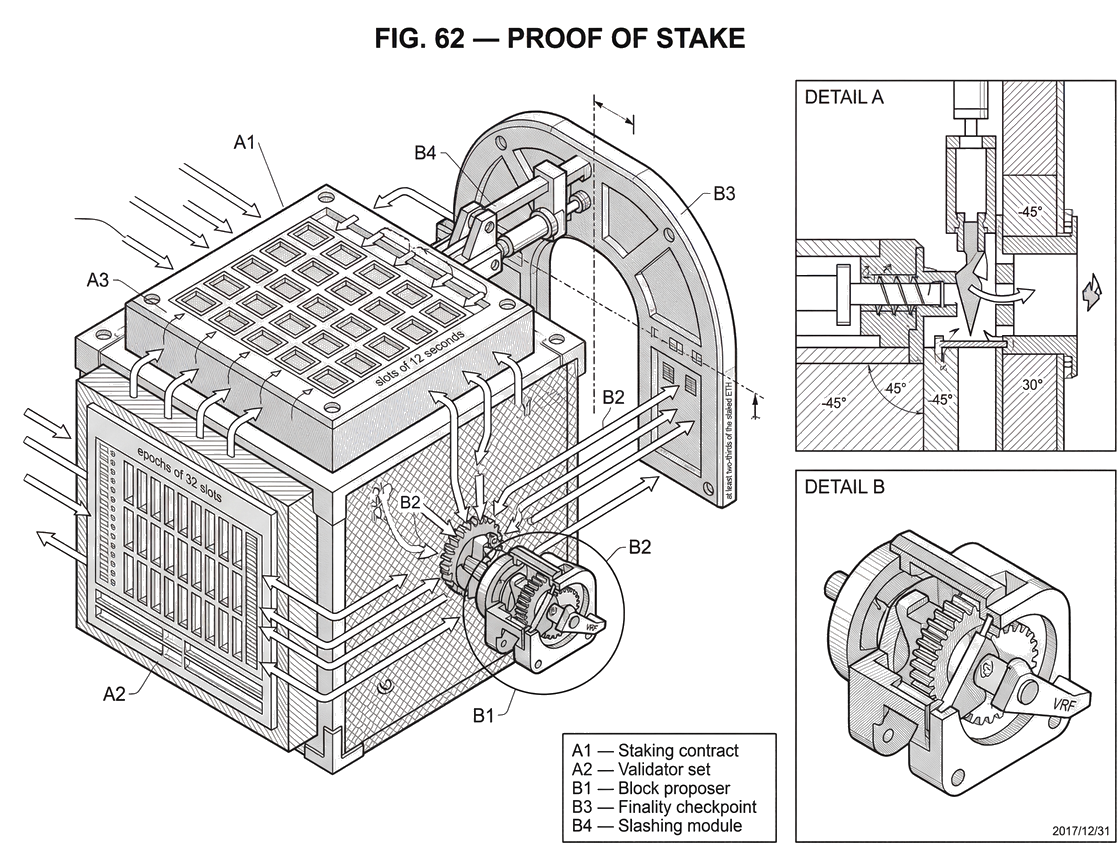
What Is Proof of Stake?
Proof of Stake matters because it answers a basic blockchain problem in a very different way from Proof of Work. Instead of spending electricity to make attacks expensive, it asks validators to lock up capital that can be rewarded for honest behavior or destroyed for cheating.
Mar 21, 2026
•
23 min read
#CONSENSUS
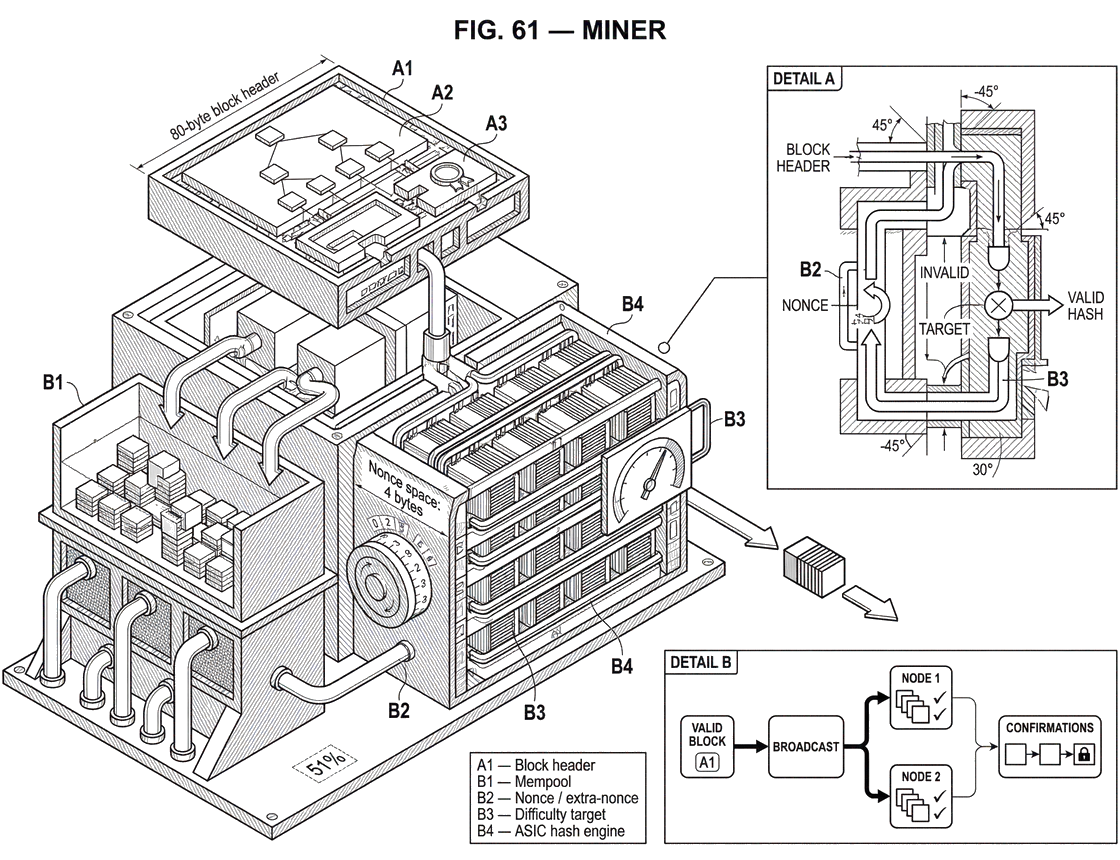
What Is a Miner in Blockchain Consensus?
A miner is the actor that turns raw computational work into blockchain history. In Proof-of-Work systems, miners do more than add blocks: they decide transaction ordering, provide the economic engine of security, and expose the assumptions that make the chain hard to rewrite.
Mar 21, 2026
•
23 min read
#CONSENSUS
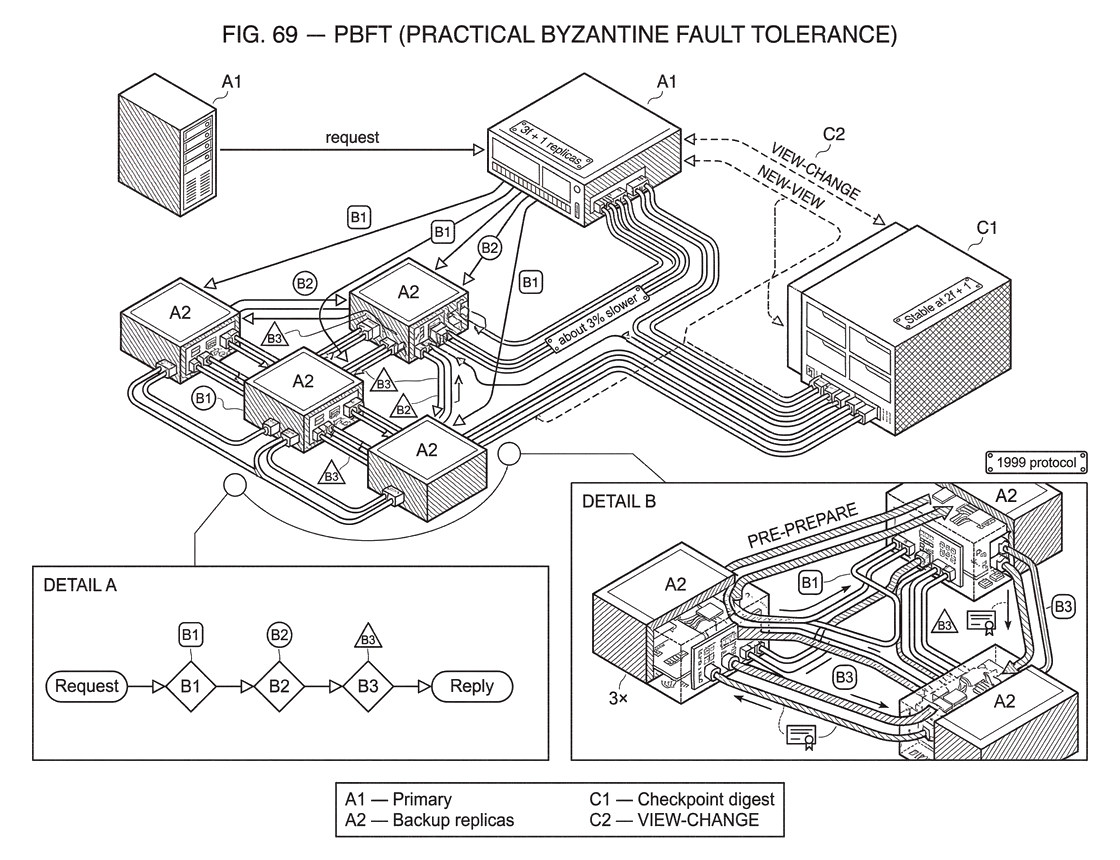
What Is PBFT (Practical Byzantine Fault Tolerance)?
PBFT matters because it answered a hard question: how can a distributed system keep a single, correct history even when some replicas lie, equivocate, or go offline? Its design became the template for much of modern Byzantine fault-tolerant consensus, especially in permissioned systems and several blockchain families.
Mar 21, 2026
•
26 min read
#CONSENSUS
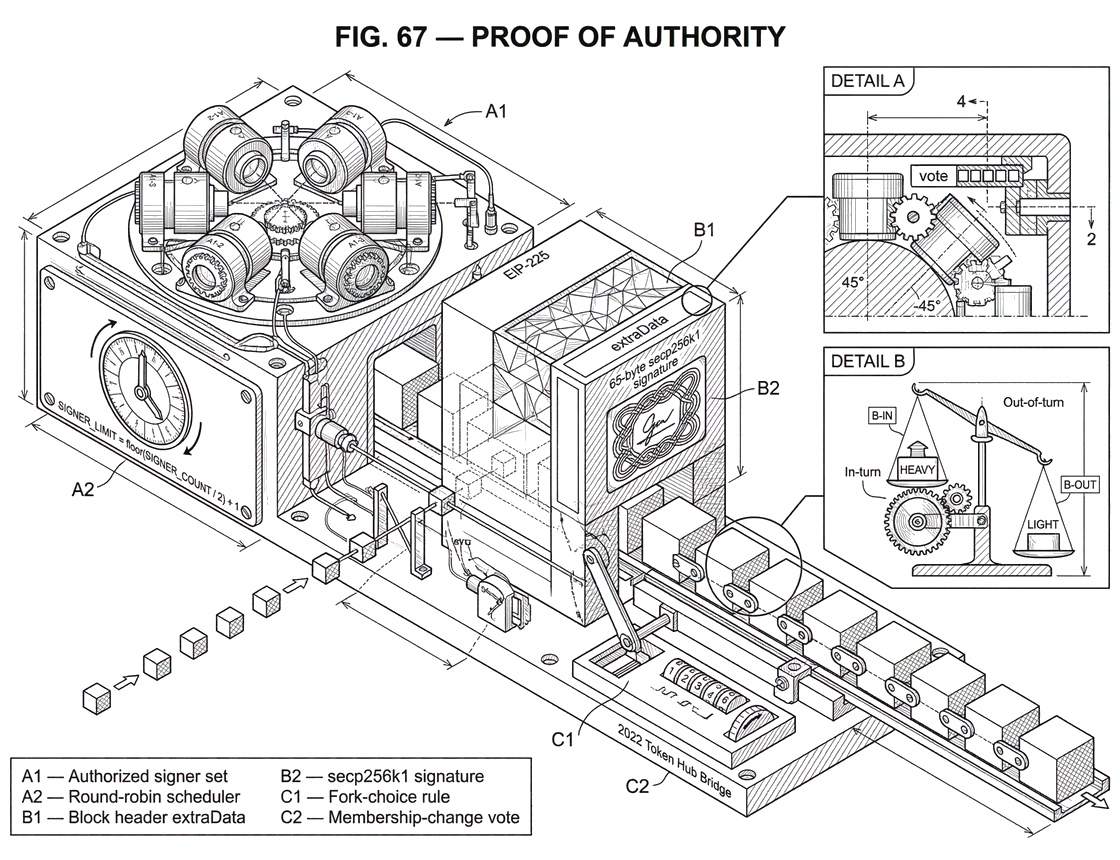
What Is Proof of Authority?
Proof of Authority is a blockchain consensus design that replaces open competition with a short list of approved block producers. That simple change makes networks faster and cheaper to run, but it also changes the trust model: security depends less on anonymous economics and more on who the authorities are, how they are chosen, and what happens when they fail.
Mar 21, 2026
•
26 min read
#CONSENSUS
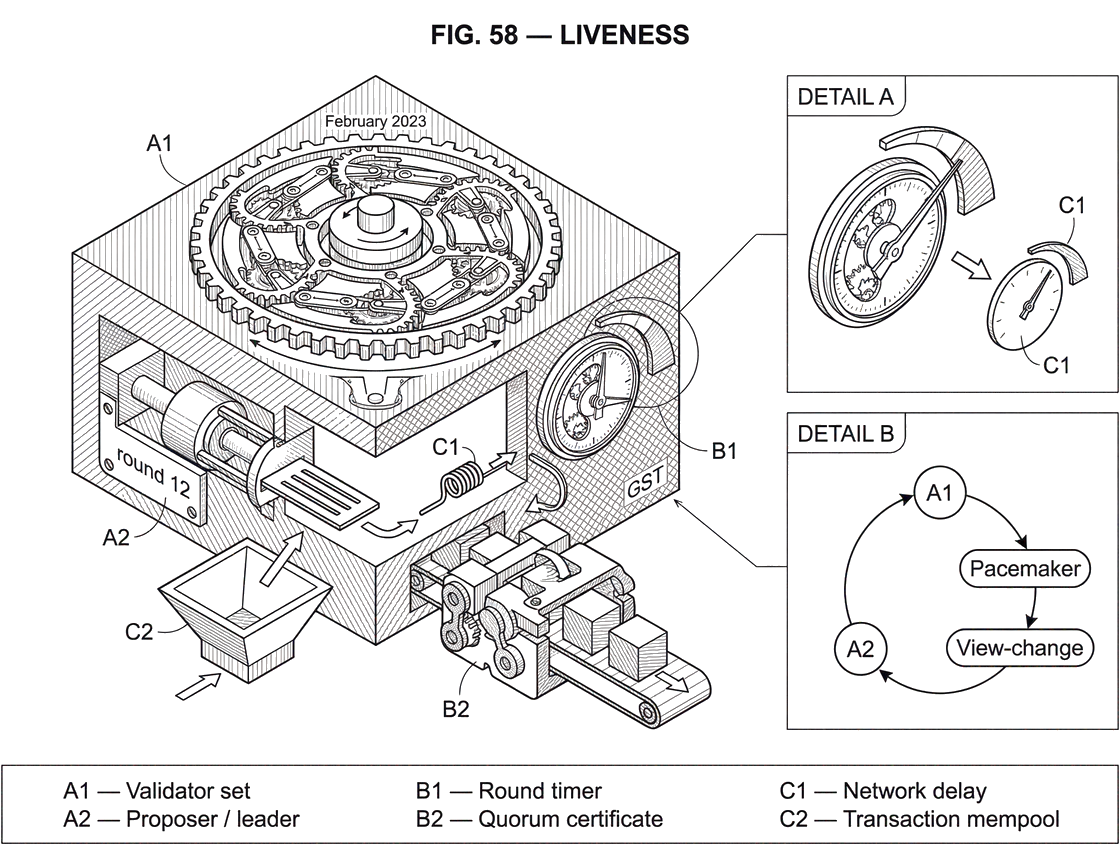
What Is Liveness in Consensus?
Liveness is the part of consensus that asks a simple but unforgiving question: will the system keep making progress? In blockchains, that means transactions eventually get included and blocks eventually get finalized — but only under specific assumptions about time, faults, and the network.
Mar 21, 2026
•
24 min read
#CONSENSUS
1
2