Cube
Trade
Pro
Advanced trading interface with professional tools
Swap
Exchange cryptocurrencies instantly
Bundles
Trade multiple tokens in a single transaction
Algos
Create and manage automated trading strategies
Portfolio
Portfolio
View your cryptocurrency holdings and performance
Orders
Track your open and completed orders
Transactions
View your complete transaction history
Rewards
Rewards Dashboard
View your rewards and claim loot boxes
Blocks Leaderboard
See top traders competing for block rewards
Referral Leaderboard
See top referrers and track referral rankings
Investors
Investor Resources
Browse investor resources and documentation
Presentation (pdf)
Download investor presentation
Settings
Profile
Your profile and account verification
Subaccounts
Separate portfolios across subaccounts
Address Book
Manage saved withdrawal addresses
Multi-Factor Authentication
Add a verification step for sensitive account actions
API Keys
Connect applications to your account
Onramp
Link bank account to buy crypto
Account Recovery
Manage account recovery setup
Learn
News
Read the latest news, announcements, and updates from Cube Exchange
What-Is Guides
Learn about cryptocurrencies
FAQ
Frequently asked questions about Cube Exchange
Fees
View our transparent fee schedule and pricing information
Security
Learn more about Cube Exchange security
About
About
Learn more about Cube Exchange
Legal
Legal information, terms of service, privacy policy, and risk disclosures
EN
Select Language
EN
English
ES
Español
ID
Bahasa Indonesia
JA
日本語
PL
Polski
PT
Português
RU
Россия
TH
แบบไทย
TR
Türkçe
UK
Україна
VI
Tiếng Việt
ZH-CN
简体中文
ZH-TW
繁體中文
Light
Dark
System
Sign In
/
Foundations
/
Defi
/
Foundations: Defi
#CREDIT MARKETS
#PRIMITIVES
#YIELD
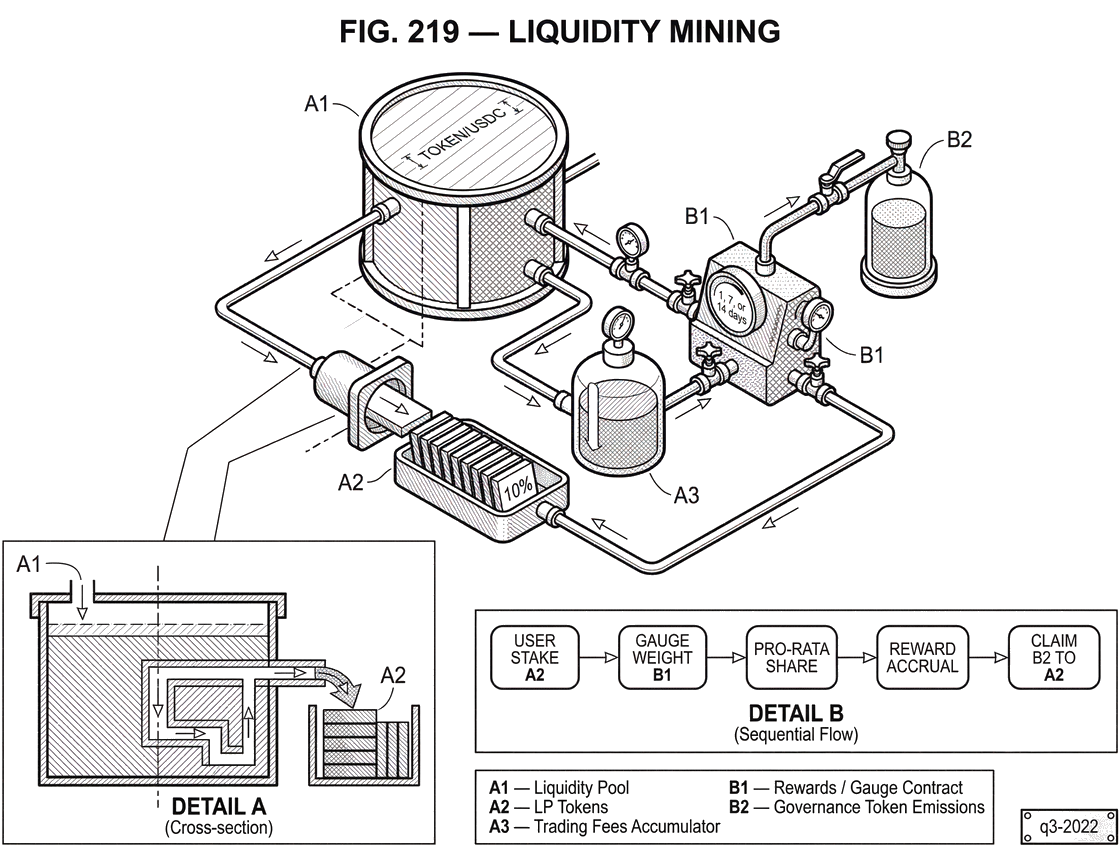
What is Liquidity Mining?
Liquidity mining matters because many DeFi markets would be thin, expensive, or unusable without someone paying people to supply liquidity. It looks simple from the outside—deposit tokens, earn rewards—but the real story is about how protocols buy market depth, and why that purchase can either bootstrap a network or quietly subsidize capital that leaves the moment rewards fade.
Mar 21, 2026
•
23 min read
#YIELD
What Is Yield Farming?
Yield farming matters because it turns idle crypto assets into programmable positions that can earn interest, trading fees, or token incentives. But the attractive headline yield comes from specific mechanisms — and each mechanism brings its own assumptions, fragility, and risk.
Mar 21, 2026
•
24 min read
#YIELD
What is DAO Treasury Management?
DAO treasury management looks simple on the surface: a community controls a wallet full of assets. In practice, it is the discipline of deciding what the DAO should own, who can move it, under what constraints, and how the system stays solvent and governable when markets or code fail.
Mar 21, 2026
•
25 min read
#DEFI
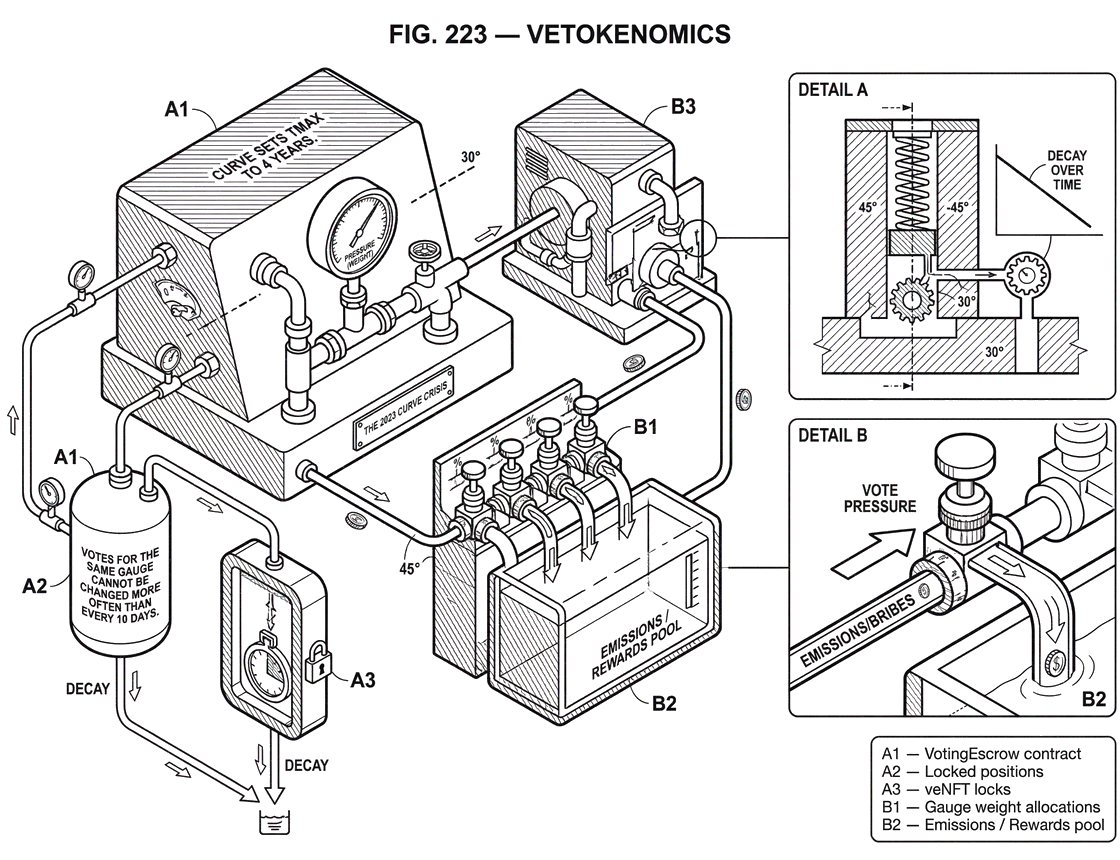
What is VeTokenomics?
VeTokenomics tries to solve a hard DeFi problem: how do you give governance power to people who will still be around when the consequences arrive? By tying voting weight to token lock time, protocols turn short-term capital into a long-term commitment — and then use that commitment to steer emissions, rewards, and control.
Mar 21, 2026
•
23 min read
#DEFI
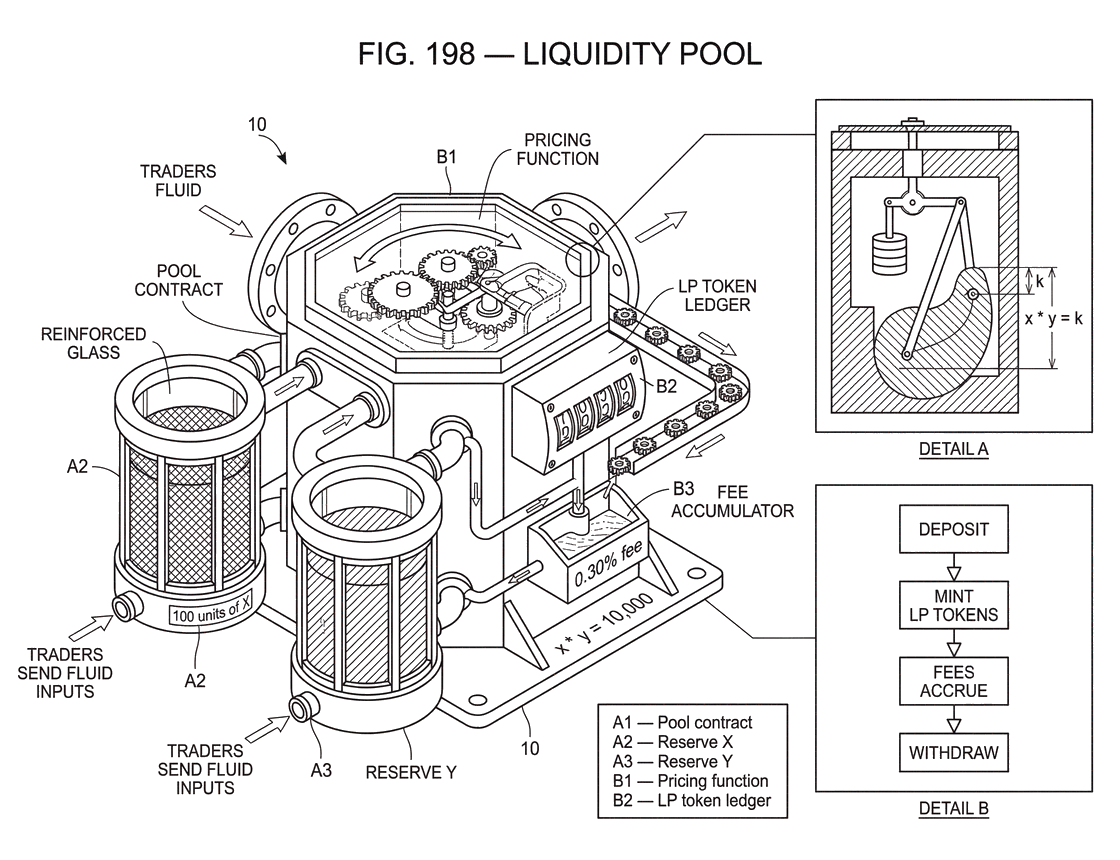
What Is a Liquidity Pool?
A liquidity pool is the on-chain inventory that makes many DeFi trades possible without matching buyers and sellers directly. Its importance is simple: put assets in a smart contract, let a pricing rule react to reserve changes, and you get continuous liquidity — along with new risks that do not exist in traditional order books.
Mar 21, 2026
•
23 min read
#PRIMITIVES
What Is Flash Mint? How Atomic Token Minting Works in DeFi
Flash minting is a strange but powerful DeFi primitive: a protocol can create tokens from nothing, let you use them immediately, and then erase them before the transaction ends. That changes what “liquidity” means, because the limit is often no longer a pool’s balance but the token’s own rules and the chain’s execution model.
Mar 21, 2026
•
23 min read
#PRIMITIVES
What Is Protocol-Owned Liquidity?
Protocol-owned liquidity changes a basic DeFi bargain. Instead of paying outsiders forever to keep markets liquid, a protocol uses its treasury to own the liquidity itself — gaining durability and fee capture, but also taking on market risk and governance concentration.
Mar 21, 2026
•
26 min read
#DEFI
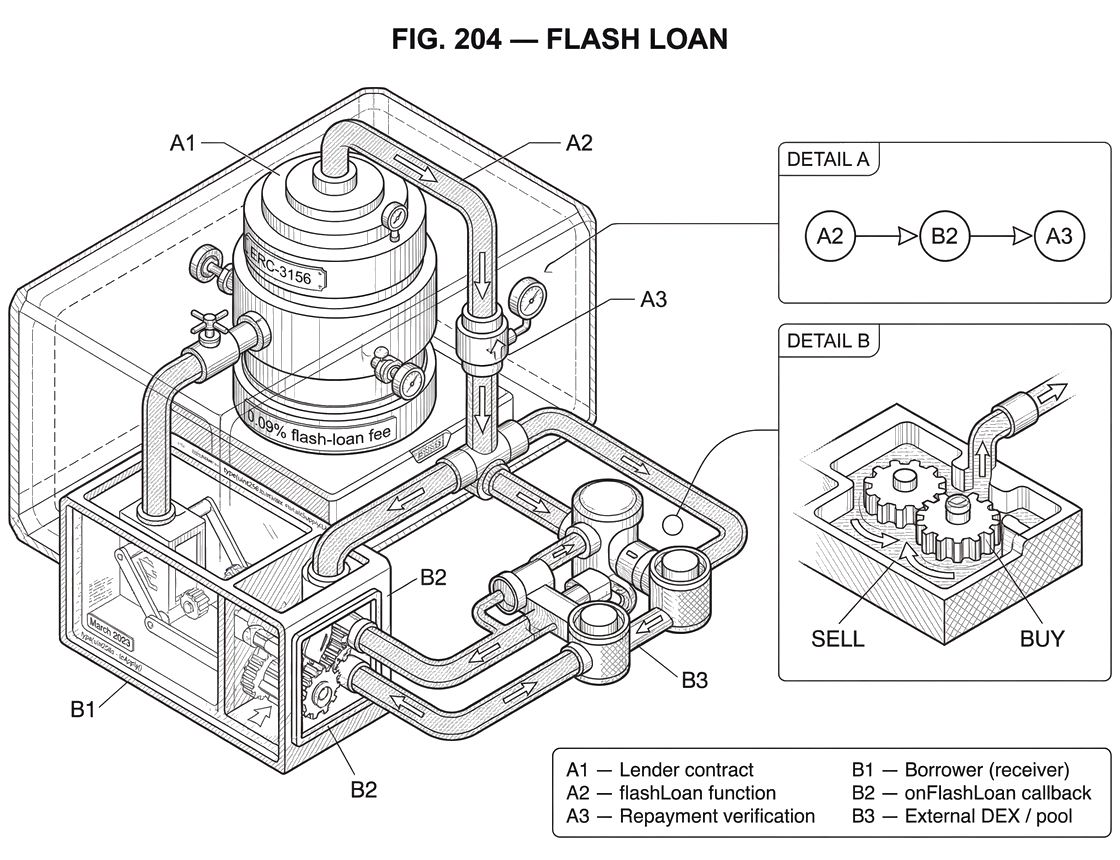
What is a Flash Loan?
Flash loans are one of DeFi’s strangest inventions: you can borrow millions with no collateral, provided you give it back before the transaction ends. That sounds impossible until you see the mechanism — atomic execution — and why it turns temporary access to capital into both a powerful tool and a major source of risk.
Mar 21, 2026
•
22 min read
#PRIMITIVES
What is Impermanent Loss?
Impermanent loss is the quiet tradeoff at the heart of AMM liquidity provision: you earn fees, but your asset mix is constantly reshaped by price moves. The risk is not just that prices change — it is that the pool mechanically sells your winners and buys your losers as arbitrage keeps prices aligned.
Mar 21, 2026
•
22 min read
#PRIMITIVES
What Is Concentrated Liquidity?
Concentrated liquidity changed AMMs by letting liquidity providers choose where their capital is active instead of spreading it across every possible price. That simple shift makes on-chain markets far more capital-efficient, but it also turns LPing from passive deposit-taking into active price-range management.
Mar 21, 2026
•
25 min read
#PRIMITIVES
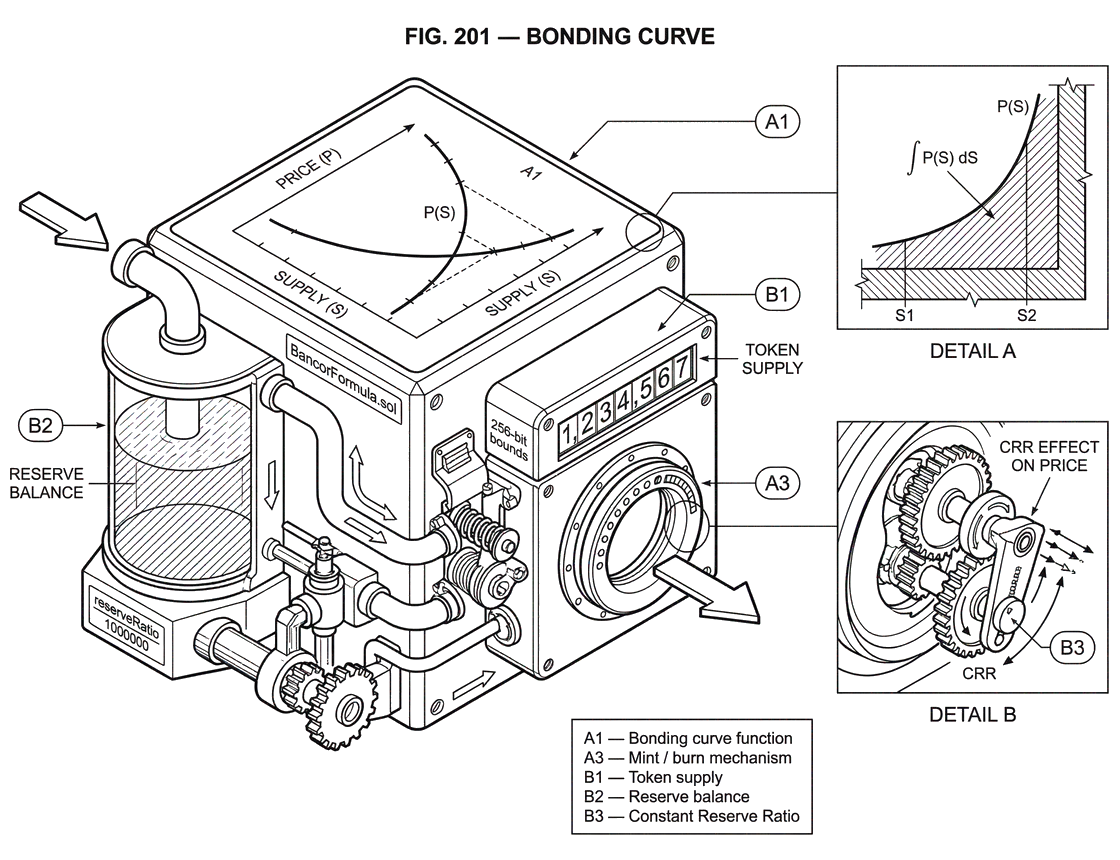
What Is a Bonding Curve?
Bonding curves replace negotiated token prices with a rule: as supply changes, price changes with it. That simple idea can create continuous liquidity, on-chain issuance, and built-in price discovery — but it also introduces slippage, arbitrage dependence, and sharp design risks.
Mar 21, 2026
•
24 min read
#PRIMITIVES
What is a Constant Product Market Maker (CPMM)?
A Constant Product Market Maker, or CPMM, replaces the order book with a simple rule: two token reserves must keep their product constant. That small idea explains why decentralized exchanges can quote prices continuously, why large swaps move the market so sharply, and why liquidity providers earn fees while taking on real risk.
Mar 21, 2026
•
26 min read
#PRIMITIVES
1
2
3