Cube
Trade
Pro
Advanced trading interface with professional tools
Swap
Exchange cryptocurrencies instantly
Bundles
Trade multiple tokens in a single transaction
Algos
Create and manage automated trading strategies
Portfolio
Portfolio
View your cryptocurrency holdings and performance
Orders
Track your open and completed orders
Transactions
View your complete transaction history
Rewards
Rewards Dashboard
View your rewards and claim loot boxes
Blocks Leaderboard
See top traders competing for block rewards
Referral Leaderboard
See top referrers and track referral rankings
Investors
Investor Resources
Browse investor resources and documentation
Presentation (pdf)
Download investor presentation
Settings
Profile
Your profile and account verification
Subaccounts
Separate portfolios across subaccounts
Address Book
Manage saved withdrawal addresses
Multi-Factor Authentication
Add a verification step for sensitive account actions
API Keys
Connect applications to your account
Onramp
Link bank account to buy crypto
Account Recovery
Manage account recovery setup
Learn
News
Read the latest news, announcements, and updates from Cube Exchange
What-Is Guides
Learn about cryptocurrencies
FAQ
Frequently asked questions about Cube Exchange
Fees
View our transparent fee schedule and pricing information
Security
Learn more about Cube Exchange security
About
About
Learn more about Cube Exchange
Legal
Legal information, terms of service, privacy policy, and risk disclosures
EN
Select Language
EN
English
ES
Español
ID
Bahasa Indonesia
JA
日本語
PL
Polski
PT
Português
RU
Россия
TH
แบบไทย
TR
Türkçe
UK
Україна
VI
Tiếng Việt
ZH-CN
简体中文
ZH-TW
繁體中文
Light
Dark
System
Sign In
/
Foundations
/
Foundations
Core blockchain and crypto concepts: wallets, keys, consensus, and the building blocks of Web3.
#BLOCKCHAIN
#CONSENSUS
#CRYPTOGRAPHY
#DEFI
#EXECUTION
#GOVERNANCE
#INFRASTRUCTURE
#INTEROPERABILITY
#ORACLES
#PRIVACY
#SCALING
#SECURITY
#STAKING
#TOKENS
#TRANSACTIONS
#WALLETS
What is Message Passing?
Message passing is the core idea behind modern blockchain interoperability: instead of moving a chain’s state wholesale, one system proves that a specific event happened and another system acts on that fact. Once that clicks, token bridges, interchain accounts, and cross-chain apps all look like variations of the same mechanism.
Mar 21, 2026
•
26 min read
#INTEROPERABILITY
What is a View Key?
View keys solve a very specific problem in private blockchains: how can a system hide transaction data from the public while still letting the intended recipient, or an authorized auditor, see what matters? They are the mechanism behind *selective disclosure*—privacy by default, with controlled visibility when the user chooses.
Mar 21, 2026
•
23 min read
#PRIVACY
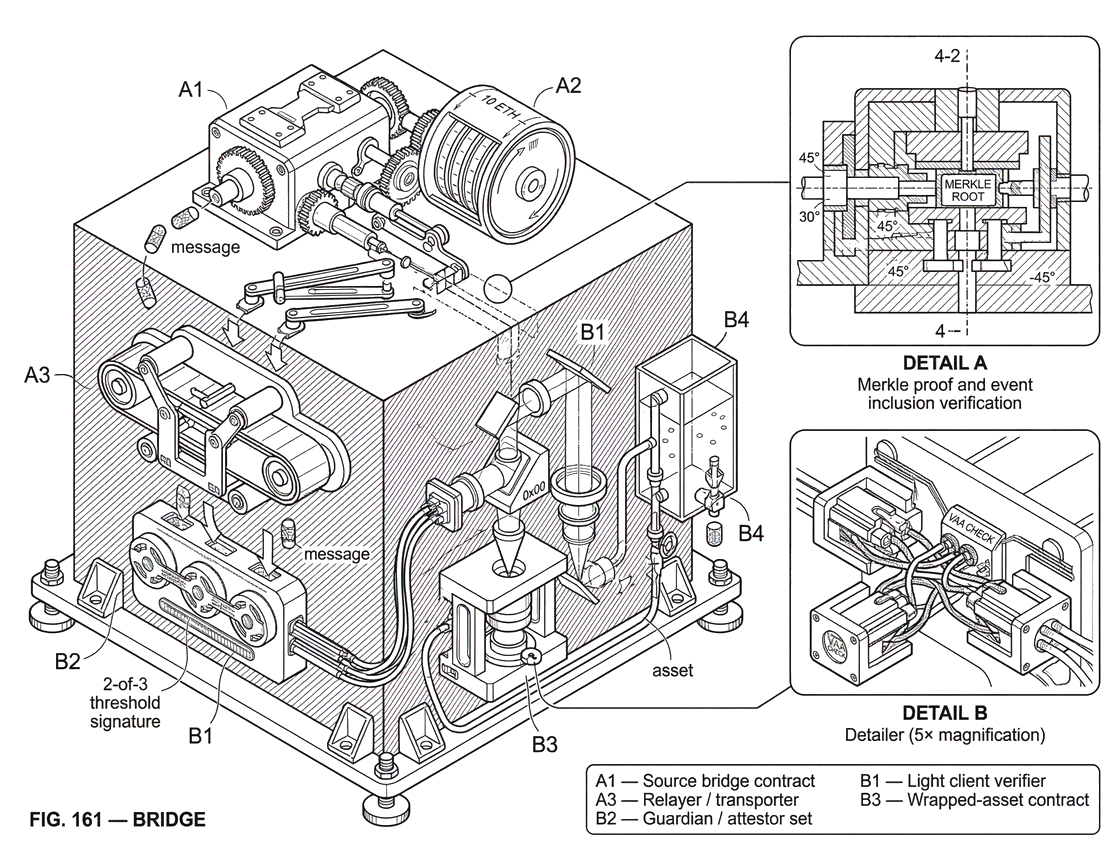
What is a Bridge?
A blockchain bridge exists because blockchains do not naturally share state. To move assets or instructions across chains, a bridge has to answer one hard question: how can chain B trust that something really happened on chain A?
Mar 21, 2026
•
23 min read
#BRIDGE
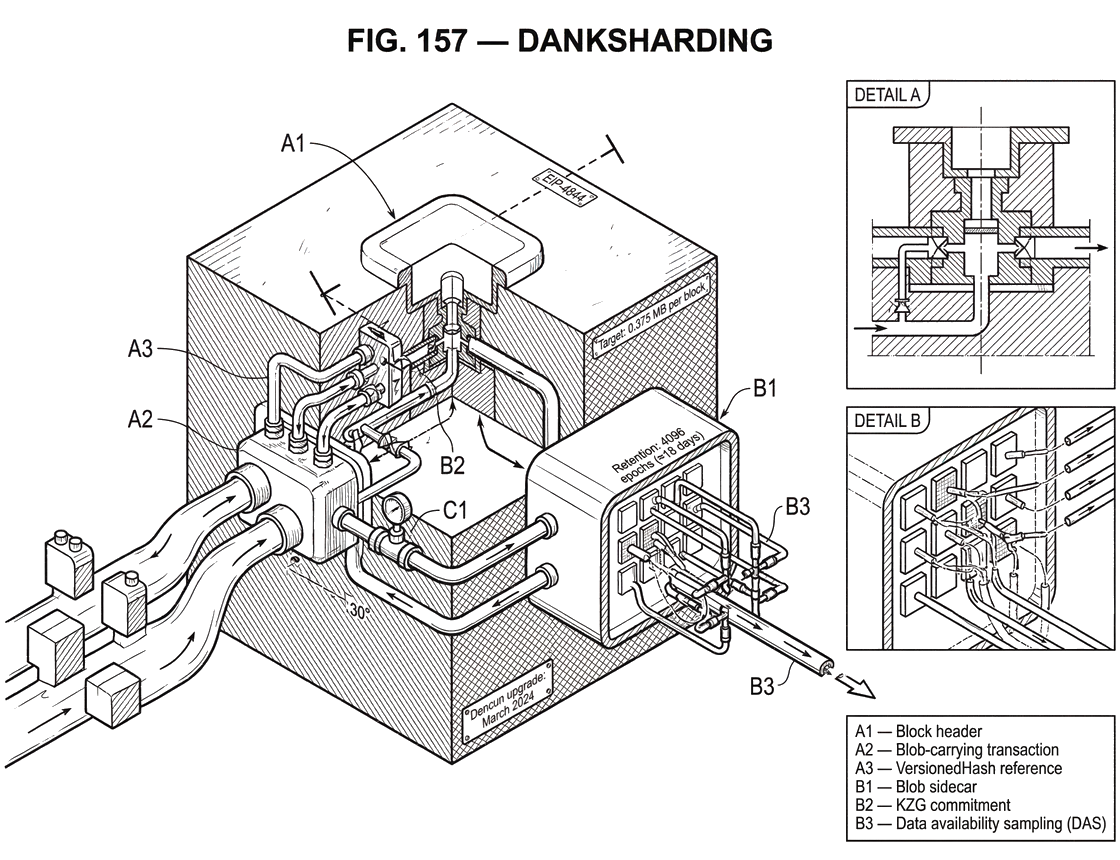
What is Block Propagation?
Block propagation is the process that turns a newly produced block from a local event into a network-wide fact. If that spread is slow, wasteful, or easy to disrupt, nodes briefly disagree about the chain tip—and that disagreement shows up as stale blocks, slower finality, and real security risk.
Mar 21, 2026
•
28 min read
#INFRASTRUCTURE
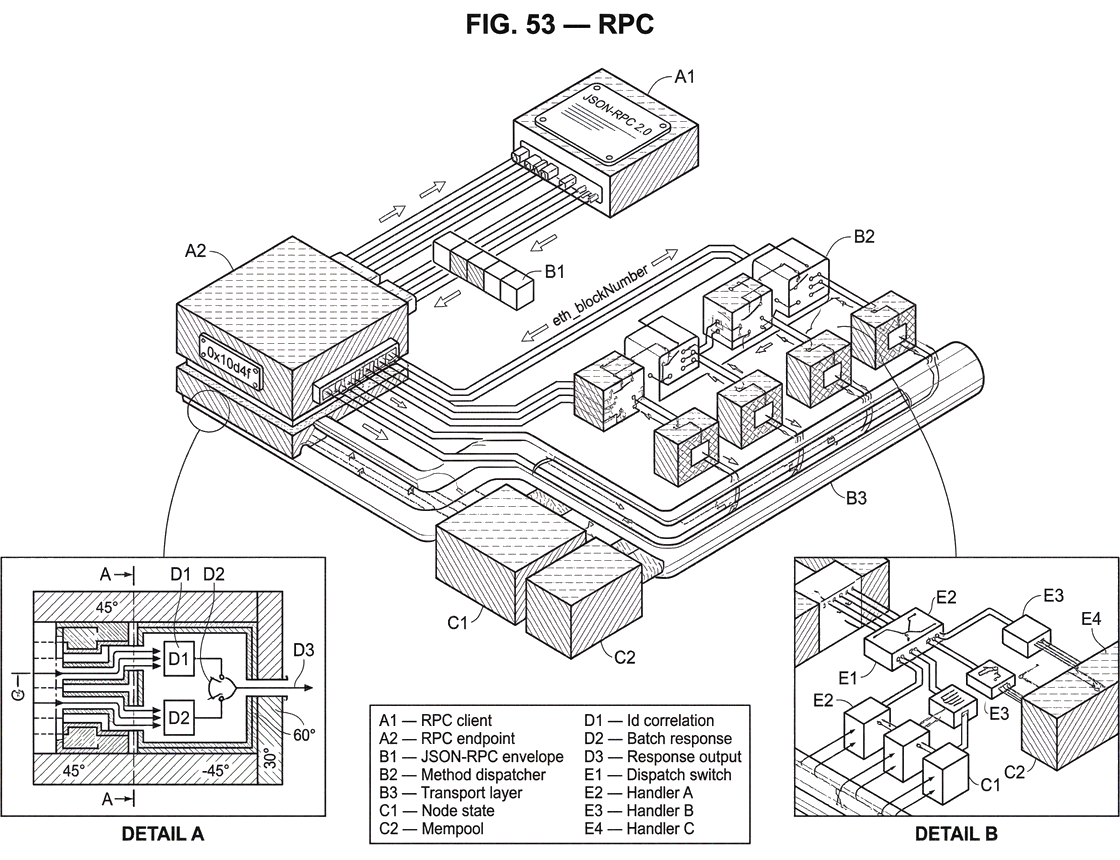
What is RPC?
RPC is how software talks to a blockchain node without living inside the node itself. It turns network messages into something that feels like calling a function, which is why wallets, explorers, exchanges, and infrastructure providers can query chain state and submit transactions through a standard interface.
Mar 21, 2026
•
26 min read
#INFRASTRUCTURE
What is Delegation?
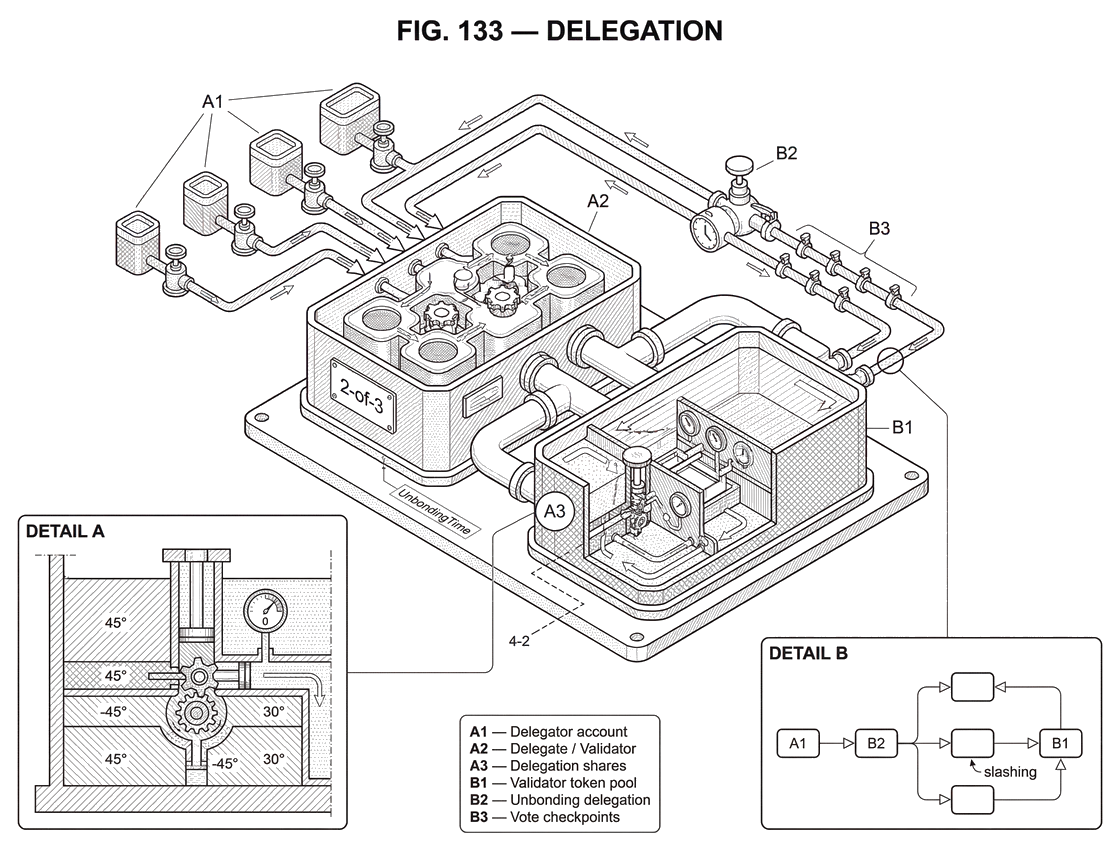
Delegation lets a large group act through a smaller set of trusted actors without giving up ownership of power itself. In blockchain governance, that simple idea sits behind validator staking, vote delegation, and representative systems — and most of the hard problems come from making delegated power revocable, measurable, and hard to abuse.
Mar 21, 2026
•
28 min read
#GOVERNANCE
What is the EVM?
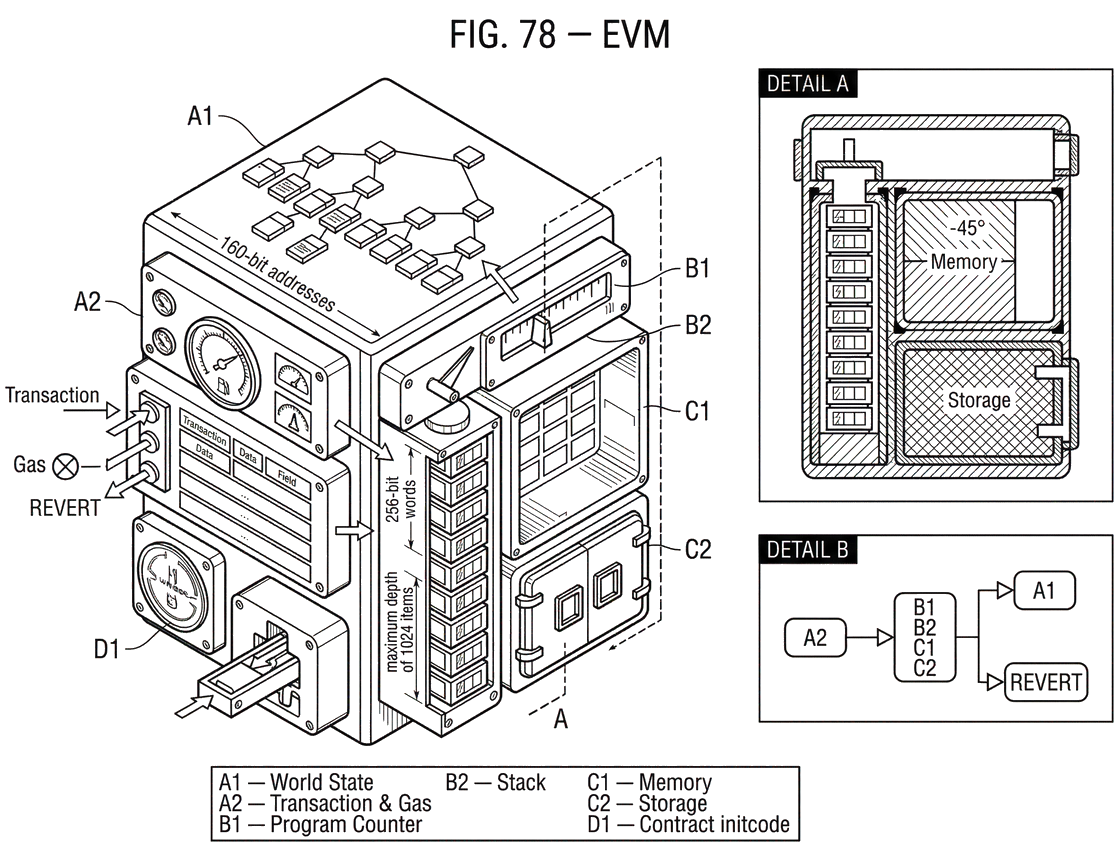
The EVM matters because blockchains need more than a ledger: they need a machine every node can run and agree on exactly. Ethereum’s answer is the Ethereum Virtual Machine, a metered, deterministic runtime that turns transactions into state changes without relying on any single computer.
Mar 21, 2026
•
25 min read
#EXECUTION
What is WASM (WebAssembly)?
WebAssembly matters because it separates *how software is written* from *where it runs*. It gives programs a compact, portable, sandboxed execution format that can work in browsers, servers, and smart contract runtimes—while still coming with important constraints around host access, determinism, and interoperability.
Mar 21, 2026
•
25 min read
#EXECUTION
What is Yield?
DeFi yield looks simple on the surface: deposit assets, watch the number go up. What matters is where that increase actually comes from. In practice, yield is not magic and not a single mechanism — it is a transfer of value generated by borrowers, traders, protocol incentives, or some combination of the three.
Mar 21, 2026
•
27 min read
#YIELD
What Is DeFi Borrowing?
DeFi borrowing lets anyone with on-chain collateral unlock liquidity without selling their assets. The idea sounds simple, but it only works because smart contracts, price oracles, interest-rate models, and liquidation incentives continuously keep the system solvent.
Mar 21, 2026
•
27 min read
#CREDIT MARKETS
What is an Automated Market Maker?
Automated market makers replaced the familiar idea of matching buyers and sellers with a stranger one: let a pool of tokens quote prices continuously according to a rule. That simple shift made on-chain trading possible without a traditional order book, but it also created new risks, from slippage and impermanent loss to MEV.
Mar 21, 2026
•
23 min read
#PRIMITIVES
What is a BLS Signature?
BLS signatures matter because they make a strange trade possible: signatures can stay compact even when many participants sign, and those signatures can often be merged into one. That property is why modern blockchain systems use BLS for validator attestations, multisignatures, and other places where ordinary signatures would create too much bandwidth and verification overhead.
Mar 21, 2026
•
21 min read
#SIGNATURES
1
2
3
4
5
6
7
8
9
10
11
12
13
14
15
16
17
18
19