Cube
Trade
Pro
Advanced trading interface with professional tools
Swap
Exchange cryptocurrencies instantly
Bundles
Trade multiple tokens in a single transaction
Algos
Create and manage automated trading strategies
Portfolio
Portfolio
View your cryptocurrency holdings and performance
Orders
Track your open and completed orders
Transactions
View your complete transaction history
Rewards
Rewards Dashboard
View your rewards and claim loot boxes
Blocks Leaderboard
See top traders competing for block rewards
Referral Leaderboard
See top referrers and track referral rankings
Investors
Investor Resources
Browse investor resources and documentation
Presentation (pdf)
Download investor presentation
Settings
Profile
Your profile and account verification
Subaccounts
Separate portfolios across subaccounts
Address Book
Manage saved withdrawal addresses
Multi-Factor Authentication
Add a verification step for sensitive account actions
API Keys
Connect applications to your account
Onramp
Link bank account to buy crypto
Account Recovery
Manage account recovery setup
Learn
News
Read the latest news, announcements, and updates from Cube Exchange
What-Is Guides
Learn about cryptocurrencies
FAQ
Frequently asked questions about Cube Exchange
Fees
View our transparent fee schedule and pricing information
Security
Learn more about Cube Exchange security
About
About
Learn more about Cube Exchange
Legal
Legal information, terms of service, privacy policy, and risk disclosures
EN
Select Language
EN
English
ES
Español
ID
Bahasa Indonesia
JA
日本語
PL
Polski
PT
Português
RU
Россия
TH
แบบไทย
TR
Türkçe
UK
Україна
VI
Tiếng Việt
ZH-CN
简体中文
ZH-TW
繁體中文
Light
Dark
System
Sign In
/
Foundations
/
Foundations
Core blockchain and crypto concepts: wallets, keys, consensus, and the building blocks of Web3.
#BLOCKCHAIN
#CONSENSUS
#CRYPTOGRAPHY
#DEFI
#EXECUTION
#GOVERNANCE
#INFRASTRUCTURE
#INTEROPERABILITY
#ORACLES
#PRIVACY
#SCALING
#SECURITY
#STAKING
#TOKENS
#TRANSACTIONS
#WALLETS
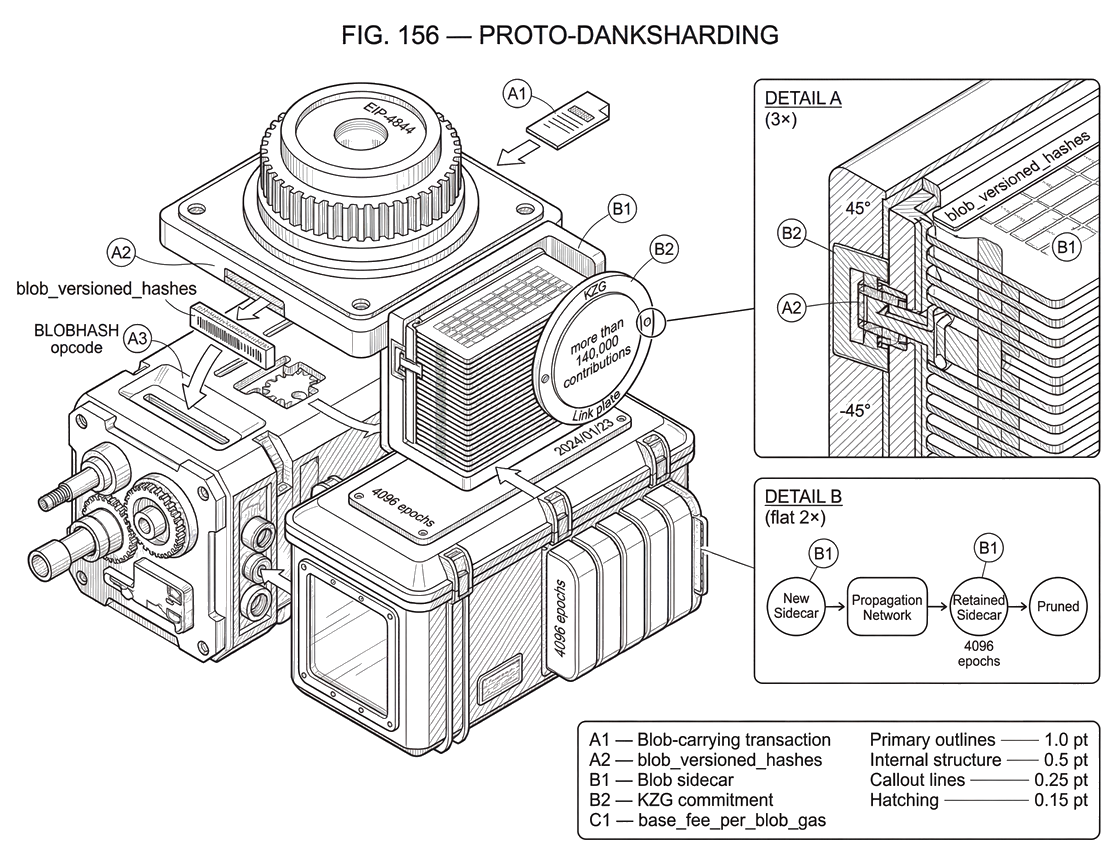
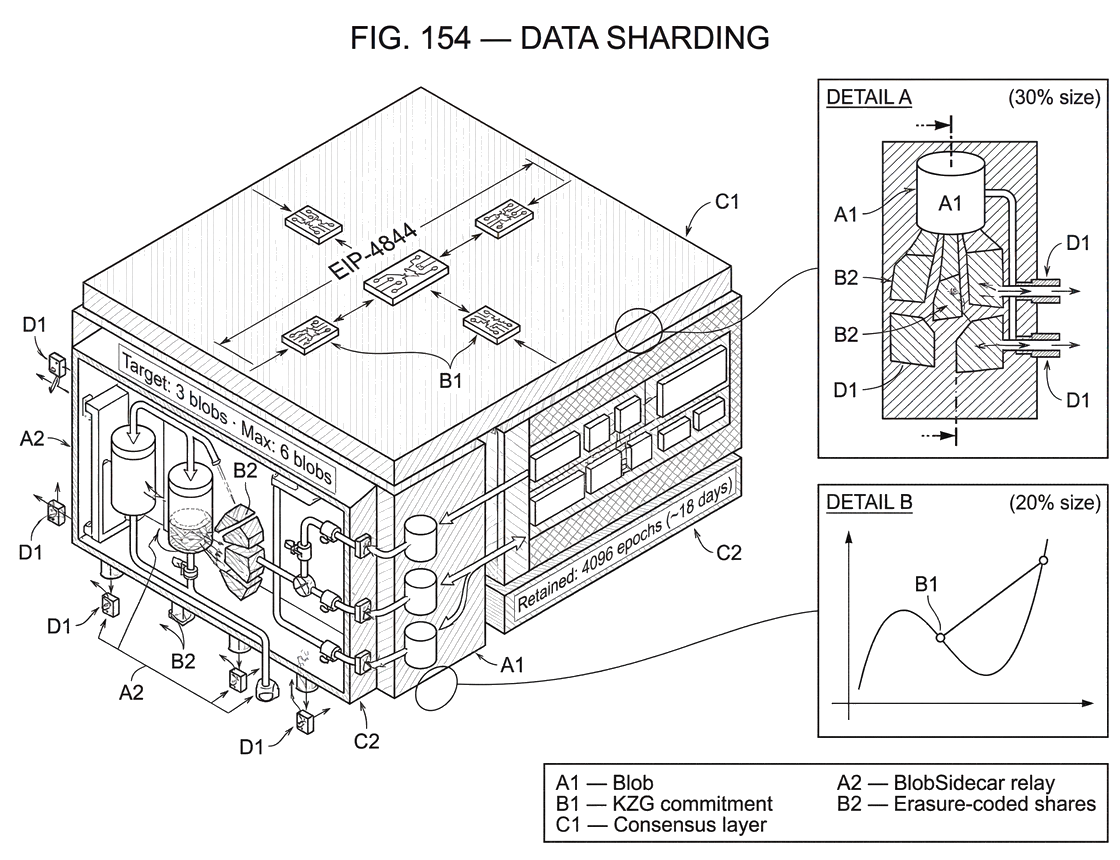
What Is Data Sharding?
Data sharding tries to scale blockchains by spreading the burden of storing and serving transaction data, not by asking every node to download everything forever. That sounds simple, but it only works if the network can still prove the data was really available when the block was accepted.
Mar 21, 2026
•
23 min read
#DATA
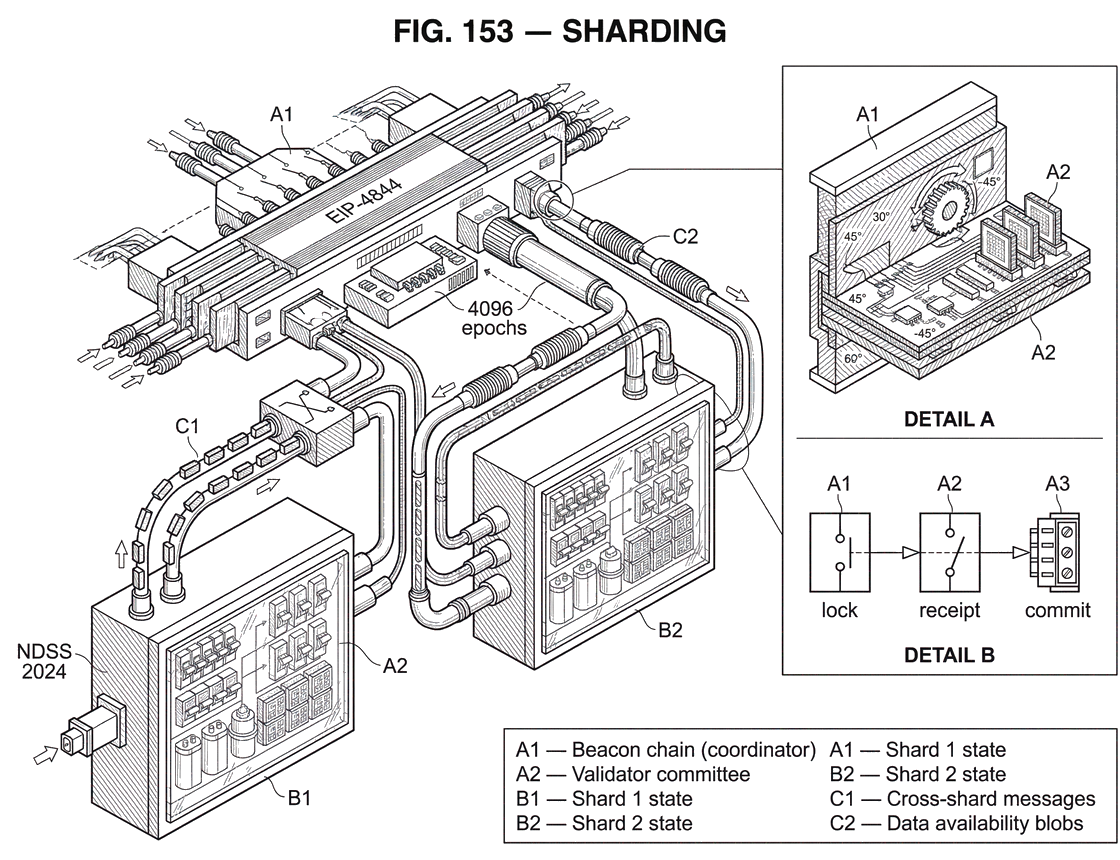
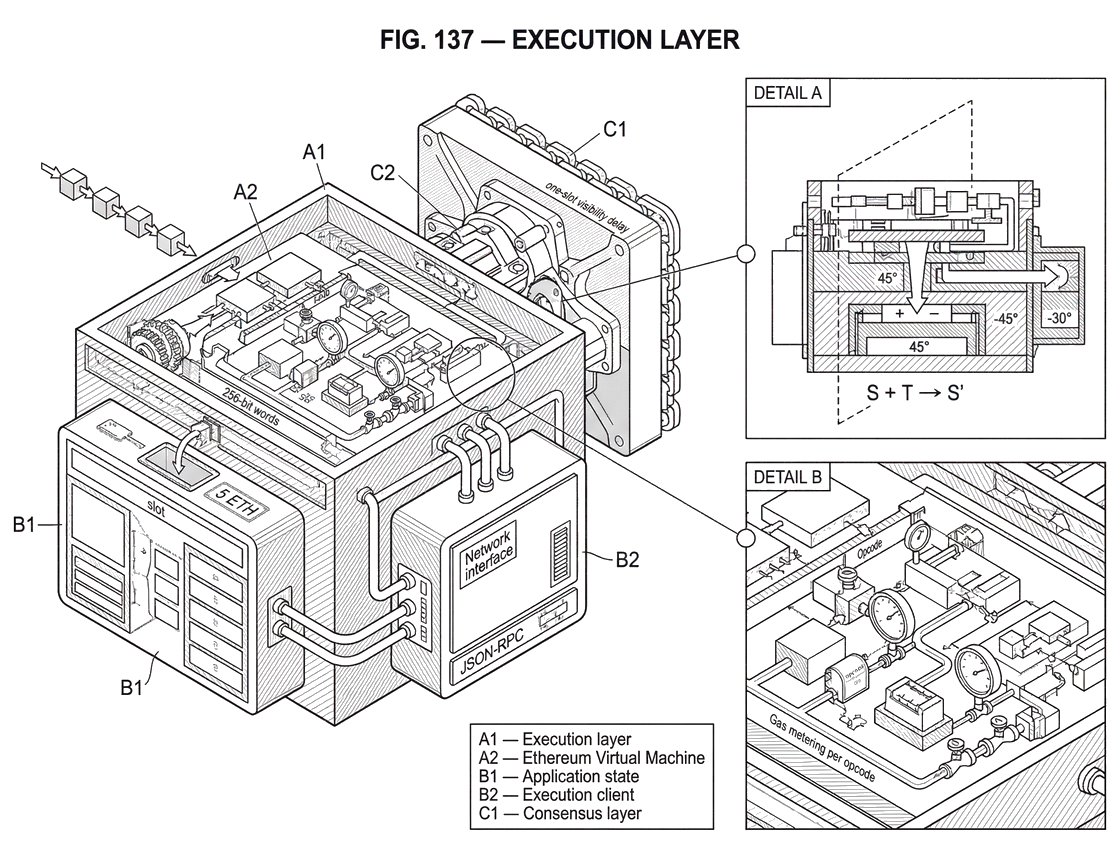
What is Execution Sharding?
Execution sharding tries to scale a blockchain by splitting not just storage, but the work of running transactions and updating state. The idea sounds simple until contracts, shared state, and cross-shard coordination enter the picture — and that is exactly where the real design tradeoffs live.
Mar 21, 2026
•
24 min read
#DATA
What Are Stealth Addresses?
Stealth addresses solve a simple but stubborn problem: on a public blockchain, publishing one receiving address lets everyone map your incoming payments. A stealth-address scheme keeps the convenience of a public payment identifier while making each payment land at a different one-time address that only the recipient can recognize and spend from.
Mar 21, 2026
•
25 min read
#PRIVACY
What is Ring Signatures?
Ring signatures solve a very specific problem: proving that *someone in a chosen set* authorized a message without revealing who it was. That simple shift from identity to set membership is why they matter in privacy systems, from anonymous disclosures to private cryptocurrency transactions.
Mar 21, 2026
•
26 min read
#PRIVACY
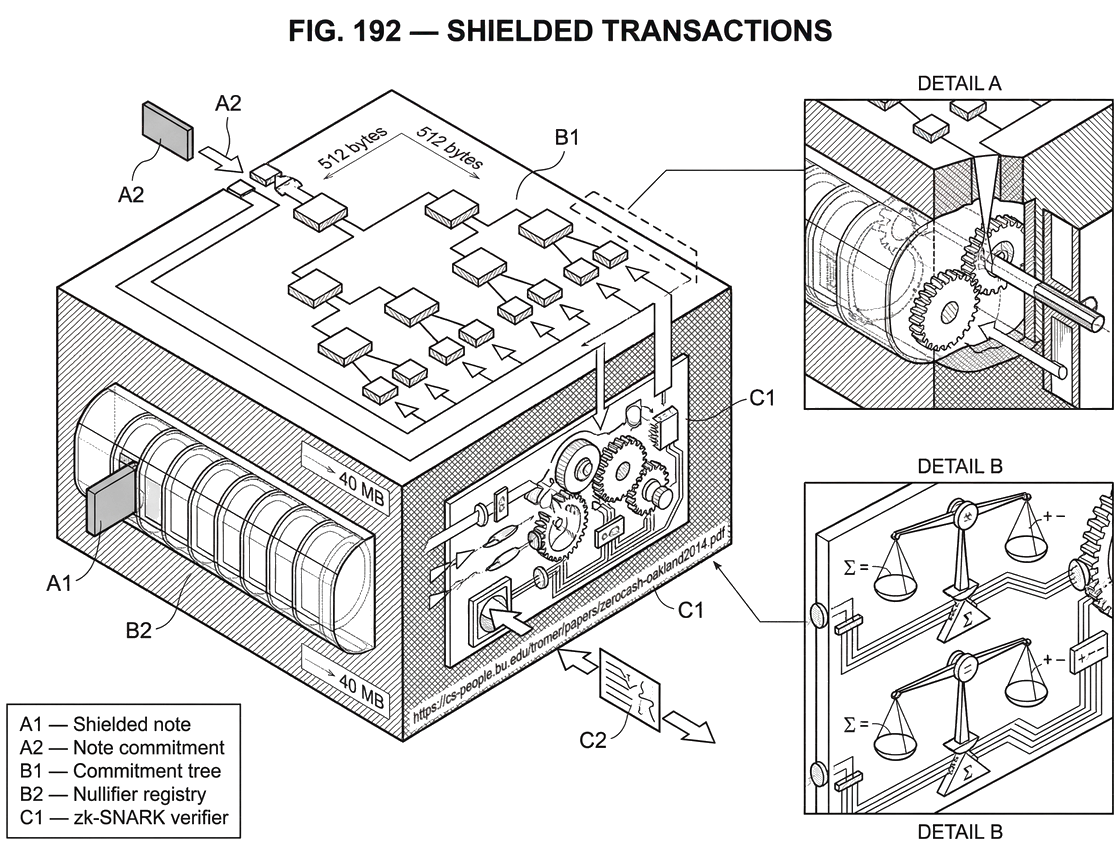
What Are Shielded Transactions?
Shielded transactions solve a basic tension in blockchains: everyone needs to verify transfers, but not everyone should learn who paid whom and how much. They do this by moving the public ledger from revealing transaction contents to verifying cryptographic commitments and zero-knowledge proofs instead.
Mar 21, 2026
•
26 min read
#PRIVACY
What Is Oracle Manipulation?
Oracle manipulation is dangerous because smart contracts treat external data as truth, even when that “truth” can be distorted for a moment. Many of DeFi’s worst exploits came from a simple mistake: using a price that was easy to move, right when the protocol needed it most.
Mar 21, 2026
•
23 min read
#ORACLES
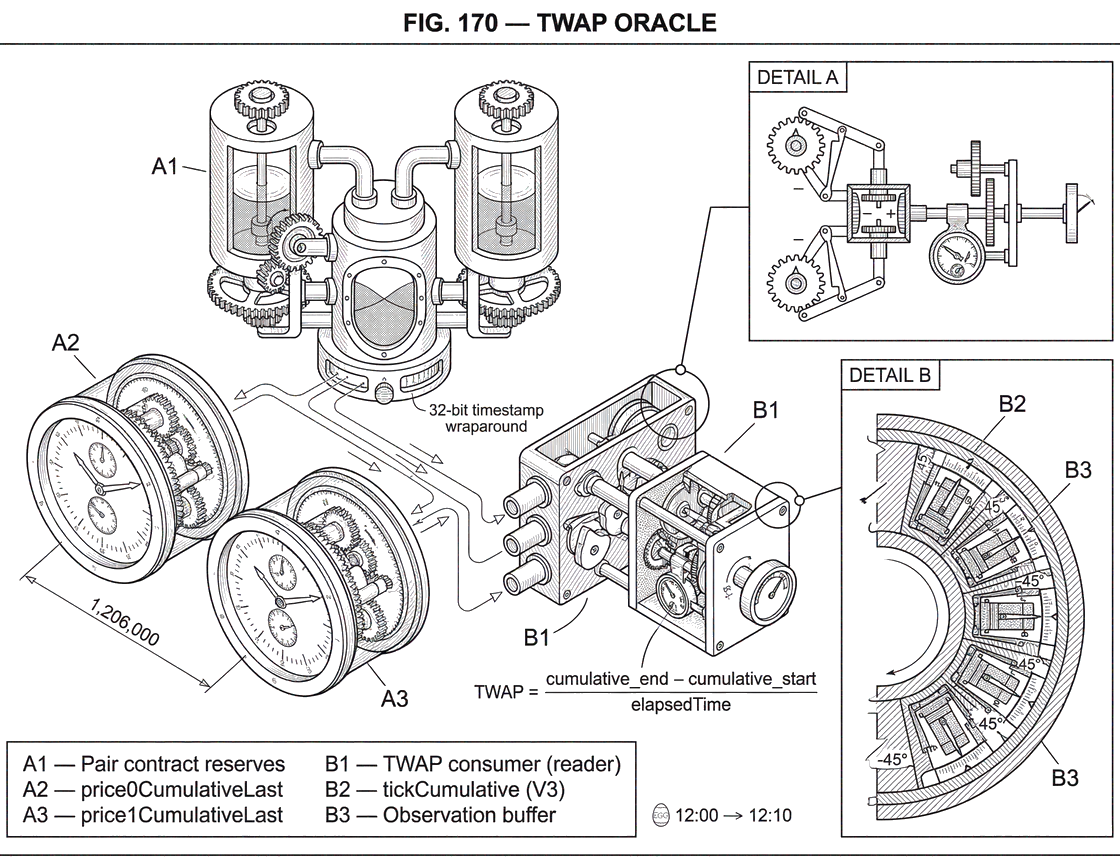
What is a TWAP Oracle?
A TWAP oracle turns a noisy, easy-to-spike market price into a slower, harder-to-manipulate signal by averaging prices over time. That simple idea sits underneath many on-chain lending, derivatives, and risk systems — but its safety depends on exactly how the averaging is built and what attackers can afford.
Mar 21, 2026
•
23 min read
#ORACLES
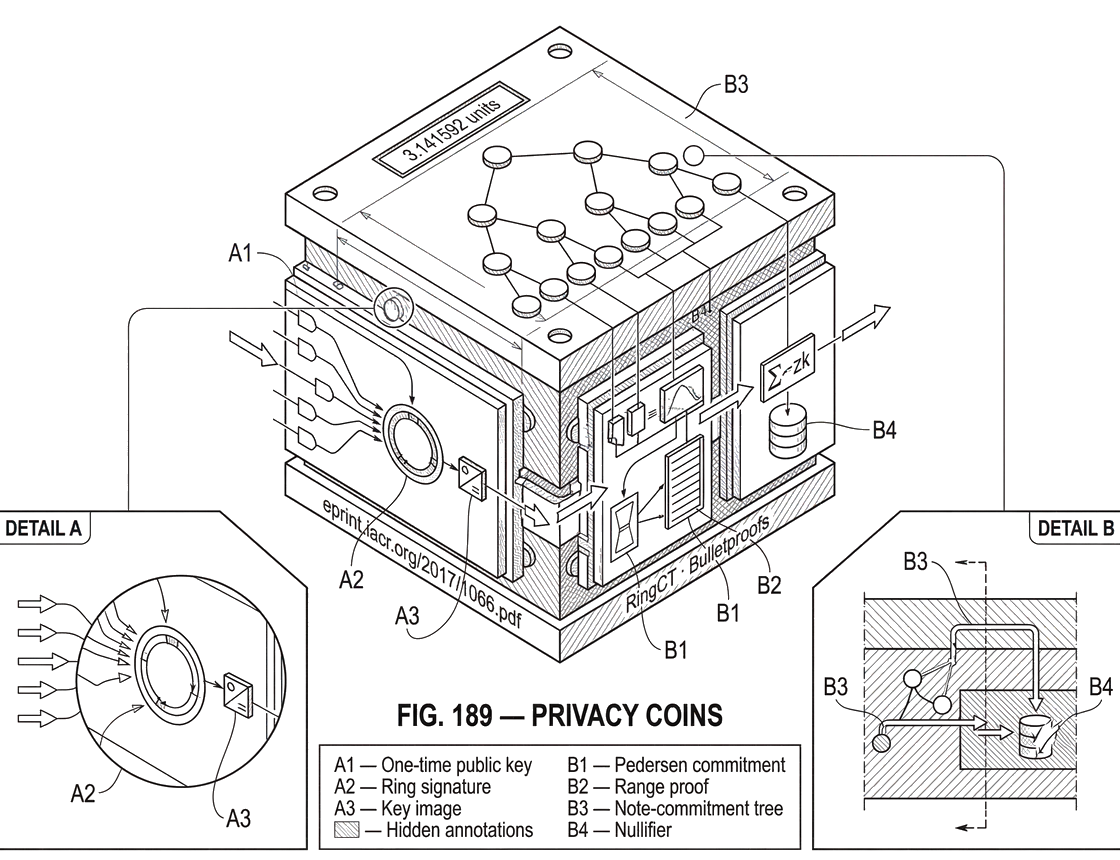
What Are Privacy Coins?
Privacy coins exist because ordinary blockchains reveal more than most people realize. They use cryptography to hide who paid whom and often how much, but the real story is not just secrecy — it is the attempt to preserve fungibility on a public ledger without giving up verifiability.
Mar 21, 2026
•
24 min read
#PRIVACY
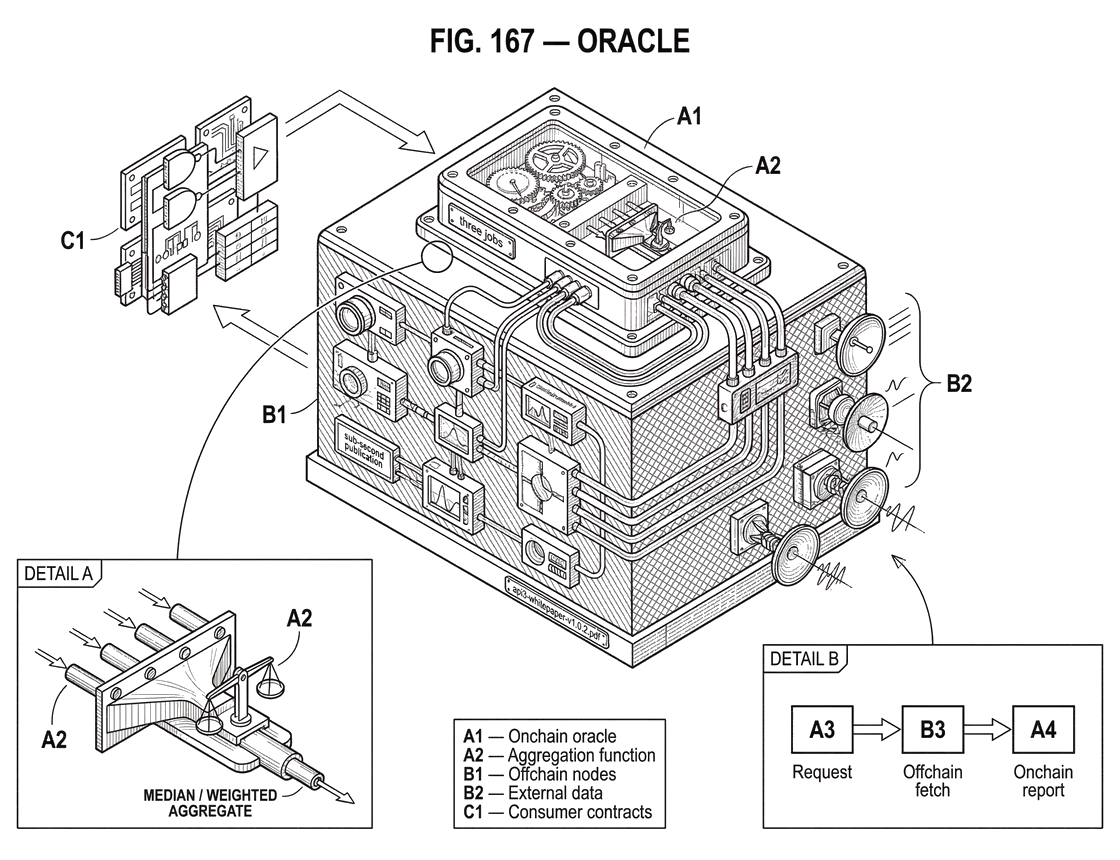
What Is an Oracle?
Oracle is the mechanism that lets blockchains use information they cannot observe themselves. Without oracles, smart contracts stay sealed inside the chain’s own state; with them, they become useful for prices, events, randomness, automation, and cross-system coordination.
Mar 21, 2026
•
26 min read
#ORACLES
What is a Data Feed?
Data feeds are what let blockchains act on prices, rates, reserves, and other facts they cannot observe themselves. They look simple from the outside—a number onchain—but behind that number is a chain of choices about sourcing, aggregation, timing, cost, and trust.
Mar 21, 2026
•
23 min read
#ORACLES
What is a Medianizer?
A medianizer is one of the simplest robust ideas in oracle design: don’t trust a single price report when you can aggregate many and take the middle. That small change turns isolated bad data, stale updates, and some forms of manipulation into outliers instead of system-defining truth.
Mar 21, 2026
•
25 min read
#ORACLES
What is an Interoperability Protocol?
An interoperability protocol is the machinery that lets one blockchain cause a trustworthy effect on another. The hard part is not moving data but proving, under clear trust assumptions, that the data really came from the source chain and should be acted on.
Mar 21, 2026
•
25 min read
#INTEROPERABILITY
1
2
3
4
5
6
7
8
9
10
11
12
13
14
15
16
17
18
19