Cube
Trade
Pro
Advanced trading interface with professional tools
Swap
Exchange cryptocurrencies instantly
Bundles
Trade multiple tokens in a single transaction
Algos
Create and manage automated trading strategies
Portfolio
Portfolio
View your cryptocurrency holdings and performance
Orders
Track your open and completed orders
Transactions
View your complete transaction history
Rewards
Rewards Dashboard
View your rewards and claim loot boxes
Blocks Leaderboard
See top traders competing for block rewards
Referral Leaderboard
See top referrers and track referral rankings
Investors
Investor Resources
Browse investor resources and documentation
Presentation (pdf)
Download investor presentation
Settings
Profile
Your profile and account verification
Subaccounts
Separate portfolios across subaccounts
Address Book
Manage saved withdrawal addresses
Multi-Factor Authentication
Add a verification step for sensitive account actions
API Keys
Connect applications to your account
Onramp
Link bank account to buy crypto
Account Recovery
Manage account recovery setup
Learn
News
Read the latest news, announcements, and updates from Cube Exchange
What-Is Guides
Learn about cryptocurrencies
FAQ
Frequently asked questions about Cube Exchange
Fees
View our transparent fee schedule and pricing information
Security
Learn more about Cube Exchange security
About
About
Learn more about Cube Exchange
Legal
Legal information, terms of service, privacy policy, and risk disclosures
EN
Select Language
EN
English
ES
Español
ID
Bahasa Indonesia
JA
日本語
PL
Polski
PT
Português
RU
Россия
TH
แบบไทย
TR
Türkçe
UK
Україна
VI
Tiếng Việt
ZH-CN
简体中文
ZH-TW
繁體中文
Light
Dark
System
Sign In
/
Foundations
/
Tokens
/
Foundations: Tokens
#NFT
#STABLECOIN
What is a Payment Stablecoin?
A payment stablecoin tries to make blockchain money behave like cash: easy to transfer, easy to price, and redeemable at a fixed value. That sounds simple, but the hard part is not moving the token on-chain — it is preserving confidence that one token really is worth one unit of fiat when many holders want out at once.
Mar 22, 2026
•
21 min read
#STABLECOIN
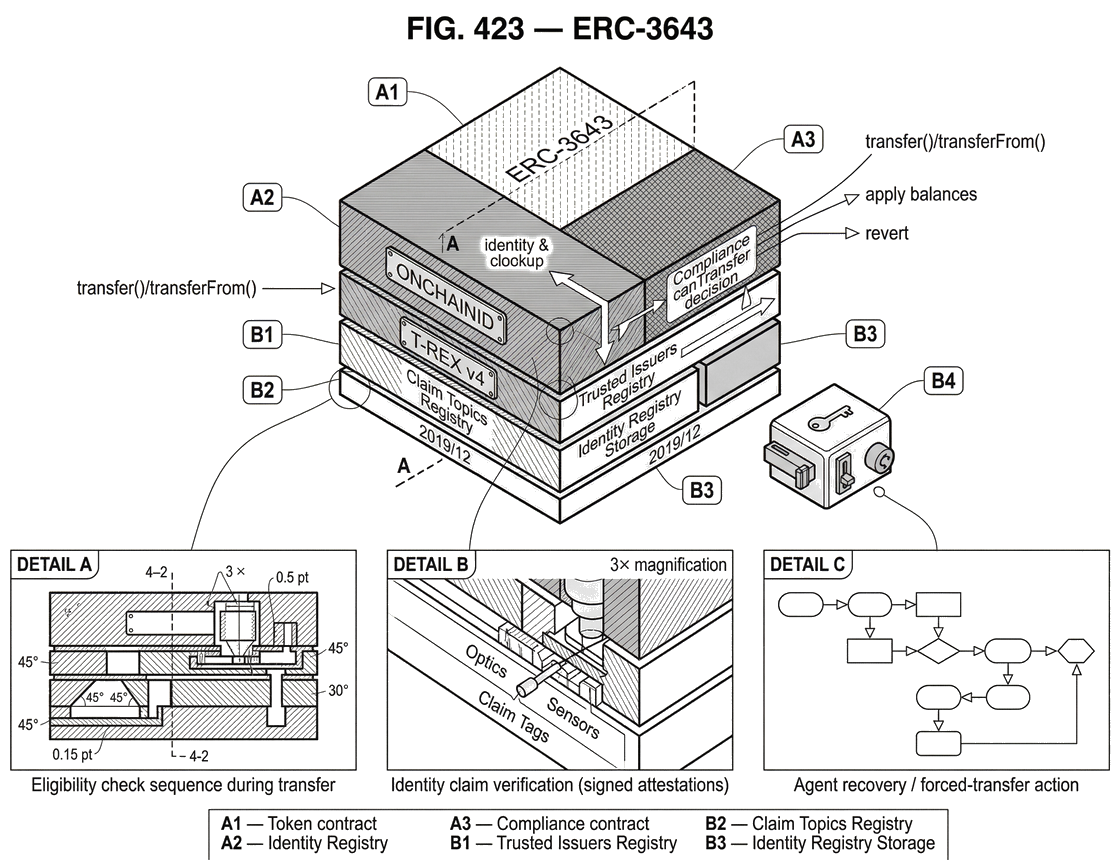
What Is ERC-3643?
ERC-3643 matters because it changes a basic assumption of crypto tokens: not every wallet is allowed to hold or receive them. It keeps ERC-20 compatibility, but wraps transfers in identity and compliance checks so regulated assets can move on public blockchains without becoming fully permissionless.
Mar 22, 2026
•
21 min read
#TOKENS
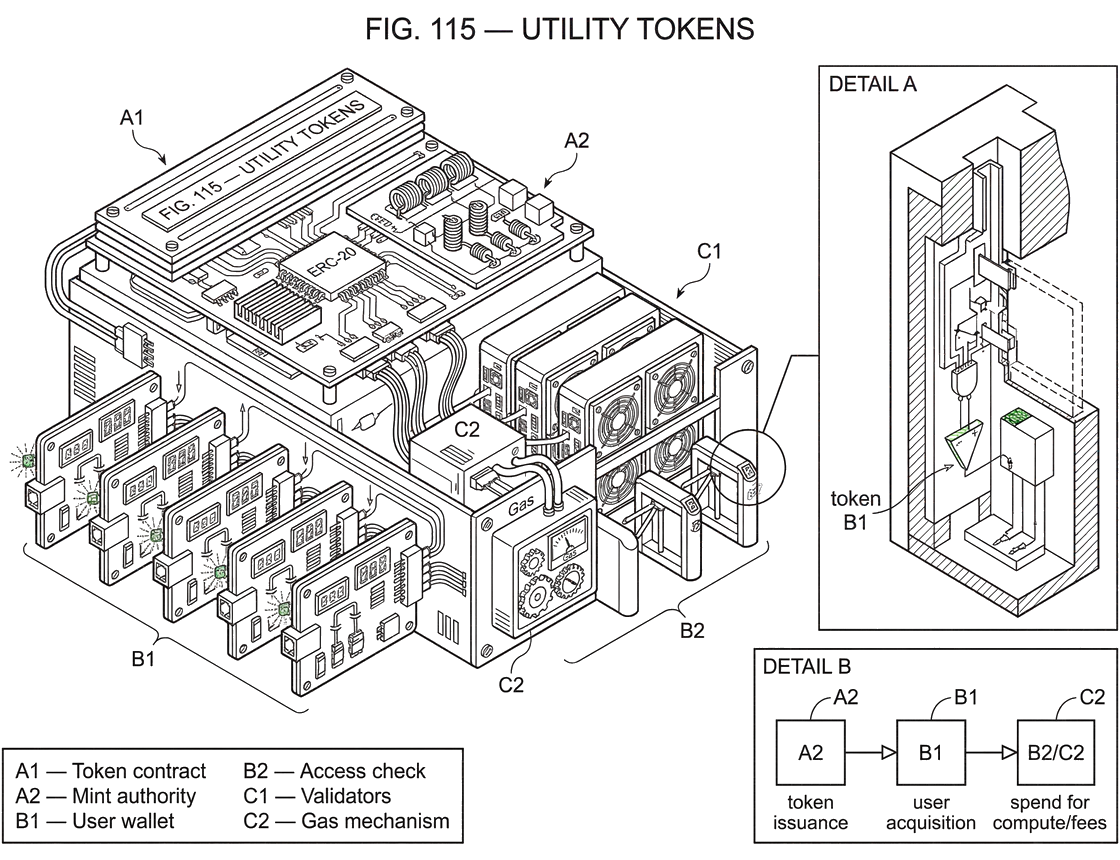
What is a Utility Token?
Utility tokens are supposed to be simple: a token you use to access a product, service, or network function. In practice, that idea becomes slippery as soon as the token is tradable, marketed for appreciation, or tied to a platform that is not yet fully built.
Mar 21, 2026
•
25 min read
#TOKENS
What Are NFTs?
NFTs matter because they let blockchains represent *specific* digital items rather than interchangeable balances. The hard part is not the picture or the buzzword, but the ownership model: how a network names a unique asset, transfers it safely, and gives wallets and marketplaces a common way to understand it.
Mar 21, 2026
•
22 min read
#NFT
What is Token Vesting?
Token vesting is the mechanism that turns a token allocation into a time-based promise instead of an immediate balance. It matters because who can sell, transfer, or claim tokens today changes governance, incentives, and circulating supply in ways that often matter more than the headline token supply.
Mar 21, 2026
•
25 min read
#TOKENS
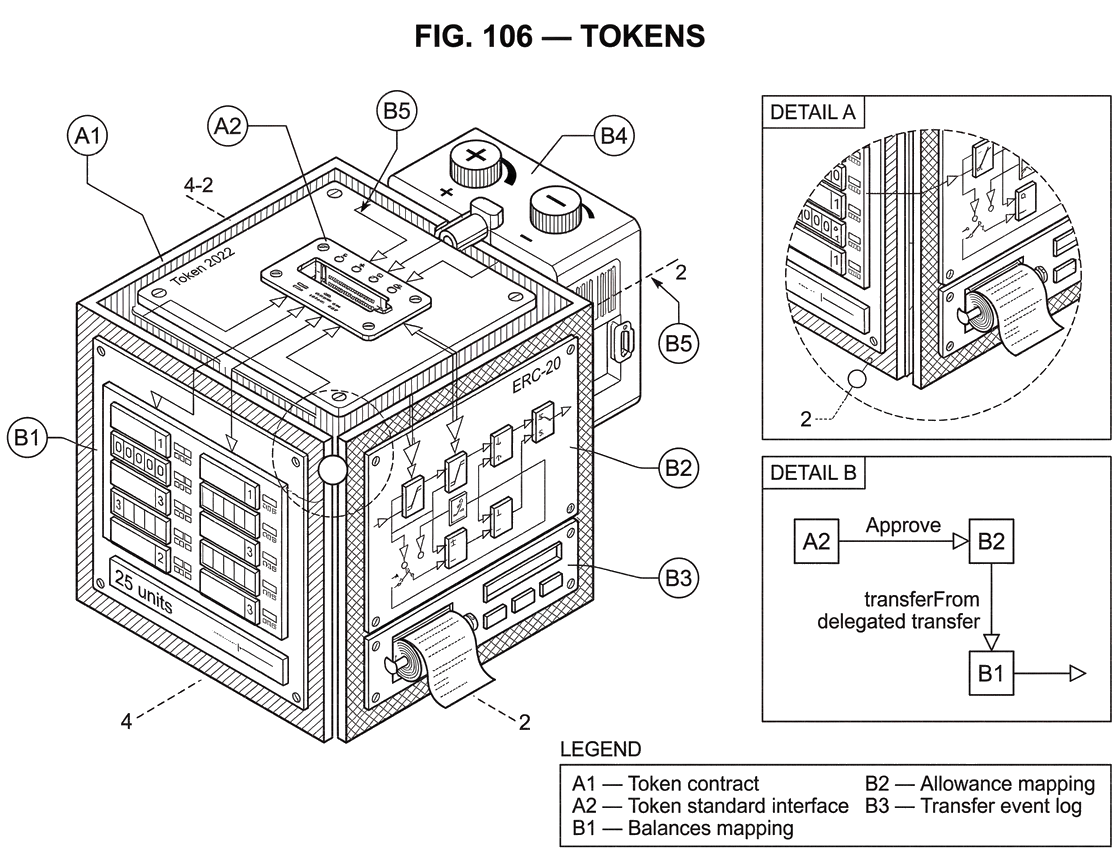
What is a Token?
Tokens are how blockchains represent value beyond a chain’s native coin. Once you see a token as a shared ledger rule for tracking claims, rights, or units of account, standards like ERC-20, ERC-721, and ERC-1155 stop looking like jargon and start looking like interoperability machinery.
Mar 21, 2026
•
24 min read
#TOKENS
What Is an Algorithmic Stablecoin?
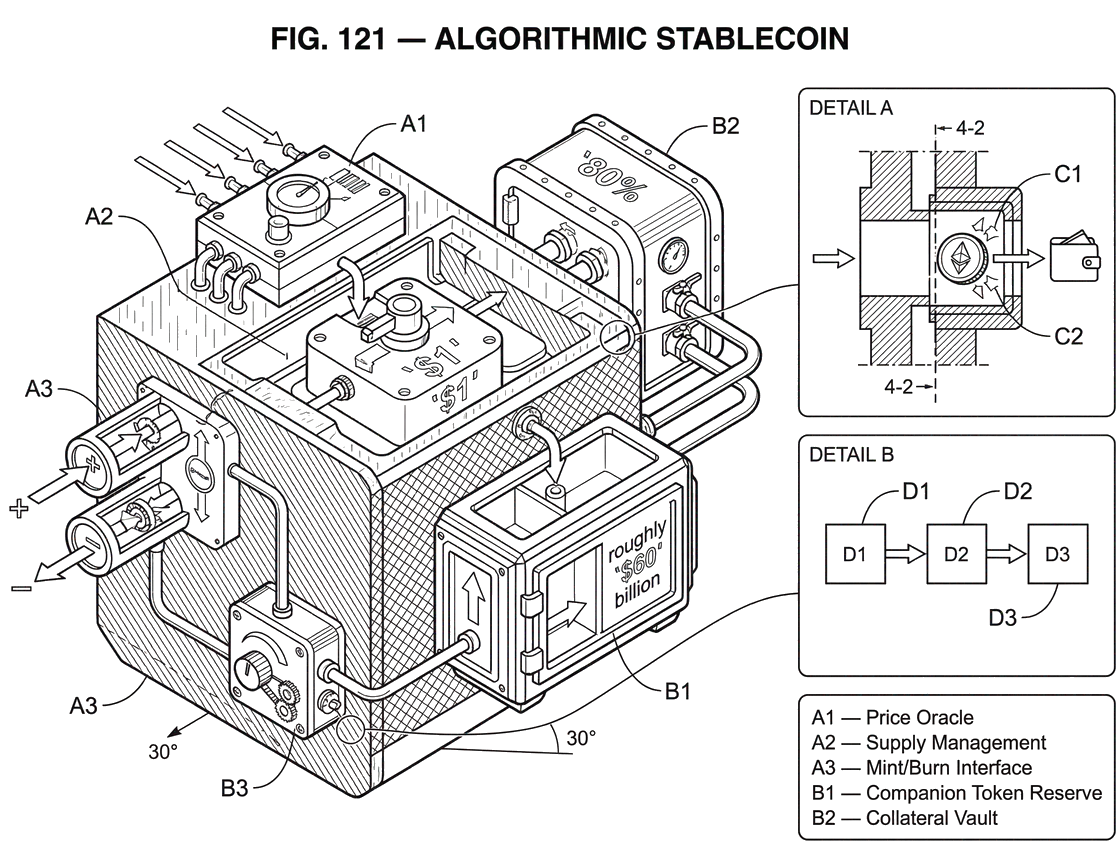
Algorithmic stablecoins are an attempt to do something deceptively hard: keep a digital asset near a fixed price without simply holding matching dollars in reserve. Their appeal is capital efficiency and onchain automation, but the same design choice creates distinctive fragility when confidence breaks.
Mar 21, 2026
•
23 min read
#STABLECOIN
What Is a Stablecoin? How Stablecoins Work, Keep a Peg, and Break
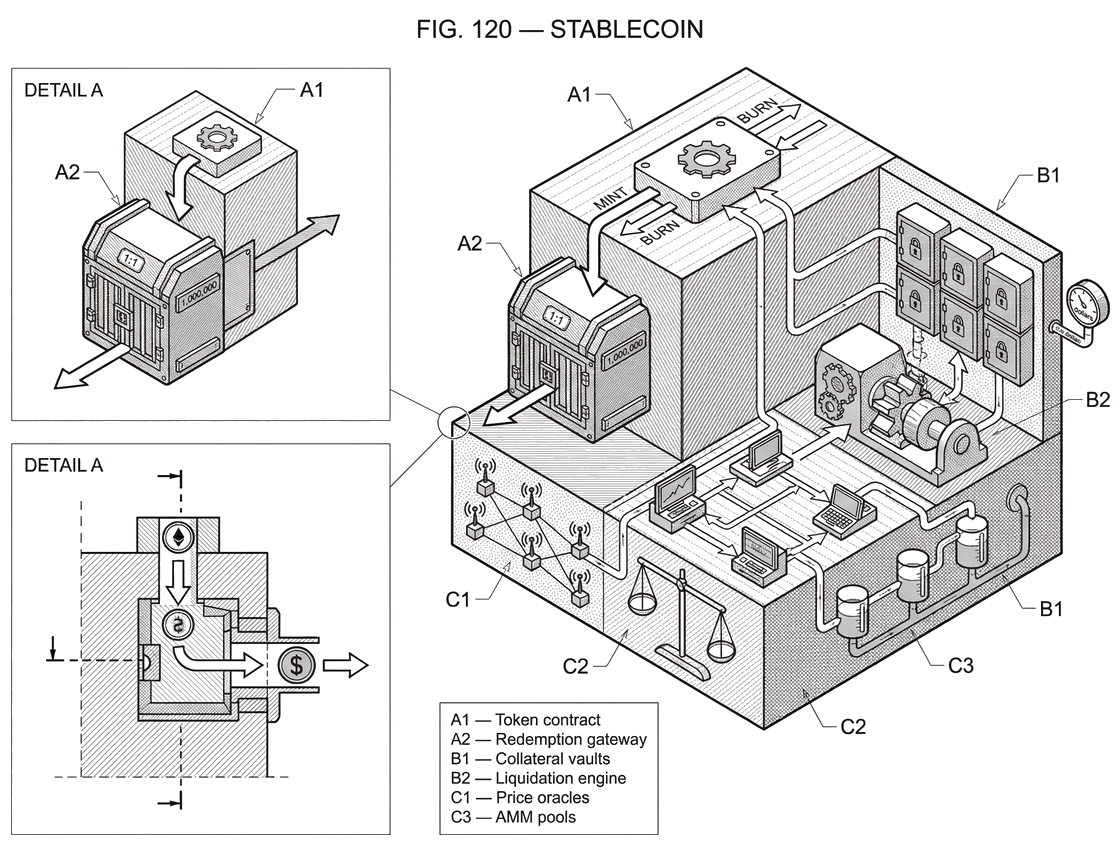
Stablecoins try to do something unusual: keep the portability and programmability of crypto while removing most of the price volatility. That simple goal hides very different mechanisms — some depend on redeemable reserves, some on overcollateralized loans, and some fail precisely because stability is harder than it looks.
Mar 21, 2026
•
23 min read
#STABLECOIN
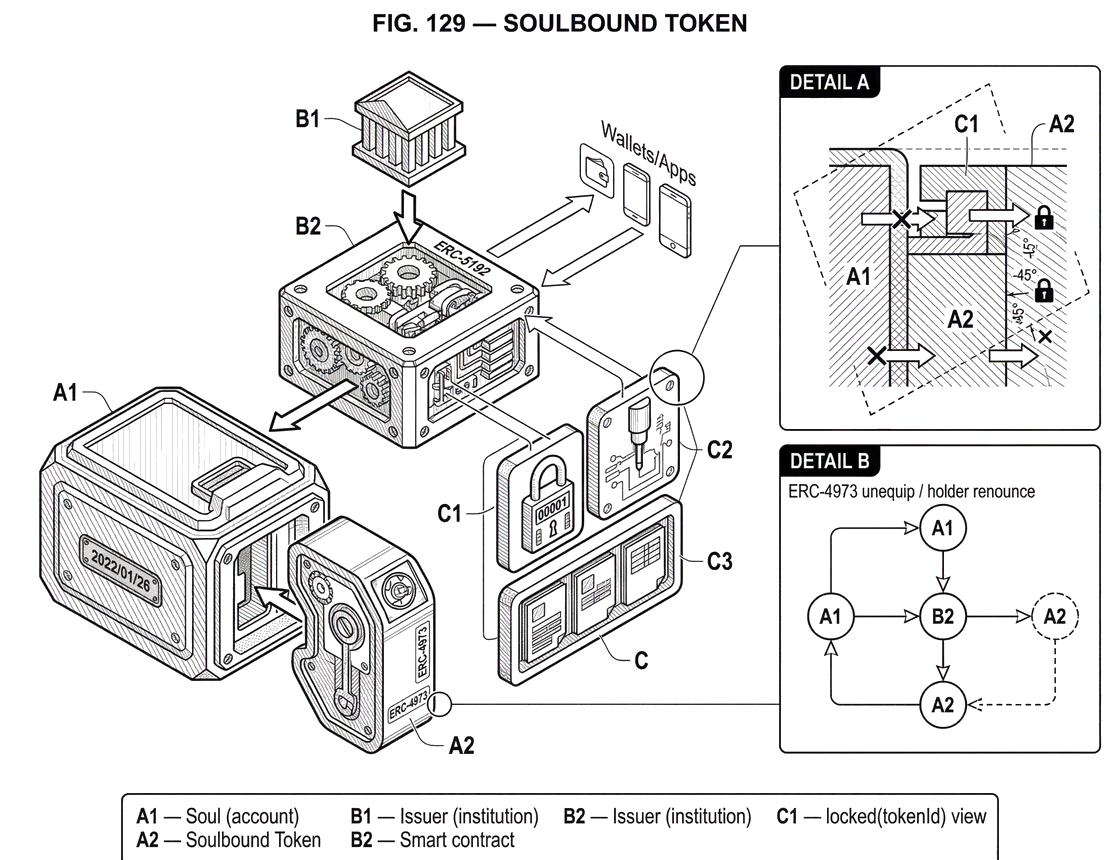
What is a Soulbound Token?
Soulbound tokens try to use blockchains for something ordinary tokens are bad at: representing facts about a person or account that should not be sold away. The idea is simple, but making \"non-transferable\" credentials actually work raises deep questions about identity, privacy, recovery, and what wallets really prove.
Mar 21, 2026
•
23 min read
#NFT
What Is SPL Token?
SPL Token is the basic asset machinery behind most tokens on Solana, but it does not work like a token contract on Ethereum. The key idea is simple: the token logic lives in a shared on-chain program, while each token is defined by accounts that store mint state and balances.
Mar 21, 2026
•
27 min read
#TOKENS
What Are NFT Royalties?
NFT royalties try to do something unusual in digital markets: keep paying creators after the first sale. The interesting part is not the idea itself, but why it is so hard to make that idea reliable on blockchains built around token transfers rather than native notions of “sale.”
Mar 21, 2026
•
23 min read
#NFT
How to Revoke Token Approvals Safely
Token approvals are useful because they let dapps move assets for you, but that convenience persists until you remove it on-chain. Revoking old approvals is one of the simplest ways to reduce wallet risk, especially for unlimited ERC-20 allowances and NFT operator permissions you no longer use.
Mar 20, 2026
•
11 min read
#TOKENS
1
2
3