Cube
Trade
Pro
Advanced trading interface with professional tools
Swap
Exchange cryptocurrencies instantly
Bundles
Trade multiple tokens in a single transaction
Algos
Create and manage automated trading strategies
Portfolio
Portfolio
View your cryptocurrency holdings and performance
Orders
Track your open and completed orders
Transactions
View your complete transaction history
Rewards
Rewards Dashboard
View your rewards and claim loot boxes
Blocks Leaderboard
See top traders competing for block rewards
Referral Leaderboard
See top referrers and track referral rankings
Investors
Investor Resources
Browse investor resources and documentation
Presentation (pdf)
Download investor presentation
Settings
Profile
Your profile and account verification
Subaccounts
Separate portfolios across subaccounts
Address Book
Manage saved withdrawal addresses
Multi-Factor Authentication
Add a verification step for sensitive account actions
API Keys
Connect applications to your account
Onramp
Link bank account to buy crypto
Account Recovery
Manage account recovery setup
Learn
News
Read the latest news, announcements, and updates from Cube Exchange
What-Is Guides
Learn about cryptocurrencies
FAQ
Frequently asked questions about Cube Exchange
Fees
View our transparent fee schedule and pricing information
Security
Learn more about Cube Exchange security
About
About
Learn more about Cube Exchange
Legal
Legal information, terms of service, privacy policy, and risk disclosures
EN
Select Language
EN
English
ES
Español
ID
Bahasa Indonesia
JA
日本語
PL
Polski
PT
Português
RU
Россия
TH
แบบไทย
TR
Türkçe
UK
Україна
VI
Tiếng Việt
ZH-CN
简体中文
ZH-TW
繁體中文
Light
Dark
System
Sign In
/
Foundations
/
Wallets
/
Foundations: Wallets
What is Self-Custody?
Self-custody is the promise and burden at the center of crypto: you control the keys, so no bank or exchange can freeze, reverse, or recover your assets for you. That sounds simple, but the real idea is about who has signing authority, how wallets turn secrets into usable accounts, and where that control can still fail.
Mar 22, 2026
•
24 min read
#WALLETS
What is Solana Accounts?
Solana accounts are the basic containers that hold everything the chain knows: SOL balances, token balances, program code, and application state. If Ethereum makes you think in contracts and storage, Solana asks you to think in addresses that point to structured state objects with strict ownership rules.
Mar 21, 2026
•
22 min read
#WALLETS
What is a Crypto Wallet?
A crypto wallet does not really “hold coins” in the way a leather wallet holds cash. It is better understood as a key manager and signing tool: the software or device that proves control over blockchain accounts, authorizes transactions, and increasingly acts as your login for onchain apps.
Mar 21, 2026
•
24 min read
#WALLETS
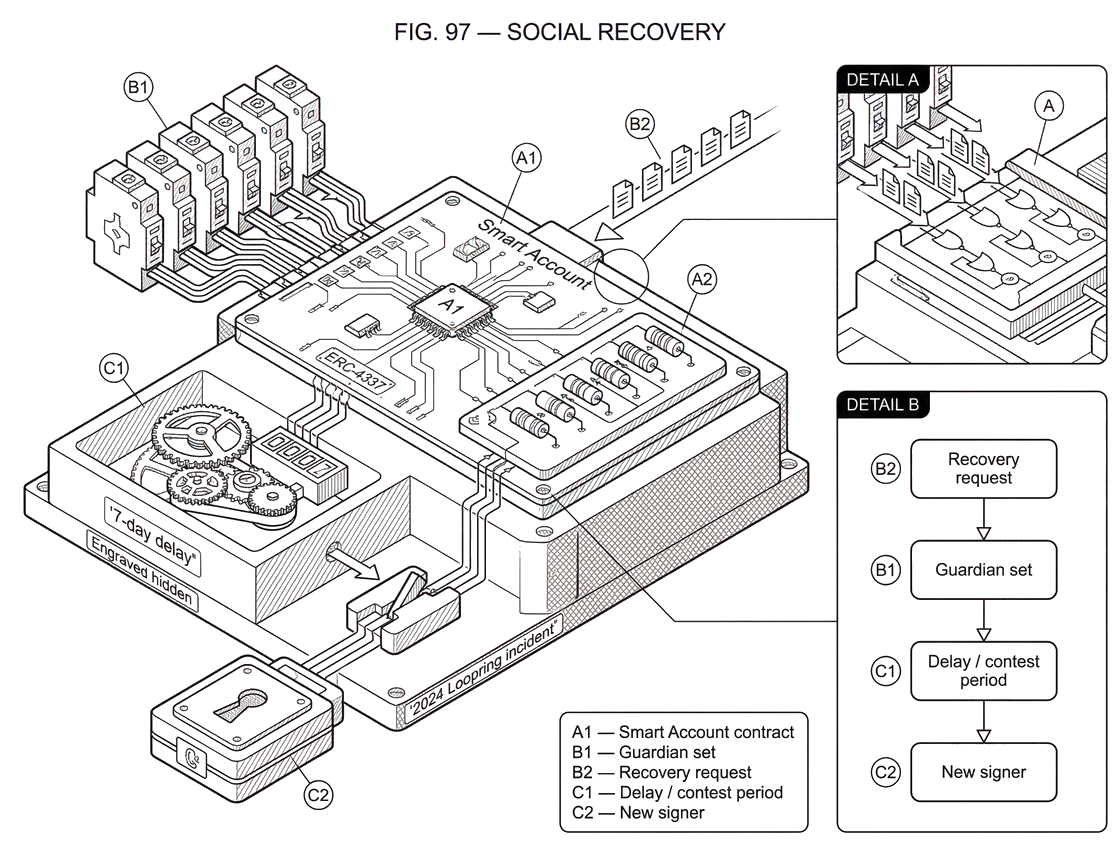
What is Social Recovery?
Social recovery tries to solve the oldest wallet problem: a single lost secret should not mean permanently lost assets. Instead of putting all risk on one seed phrase, it spreads recovery power across guardians, devices, or other verifiers — which improves usability, but only if the recovery path itself is designed with extreme care.
Mar 21, 2026
•
25 min read
#WALLETS
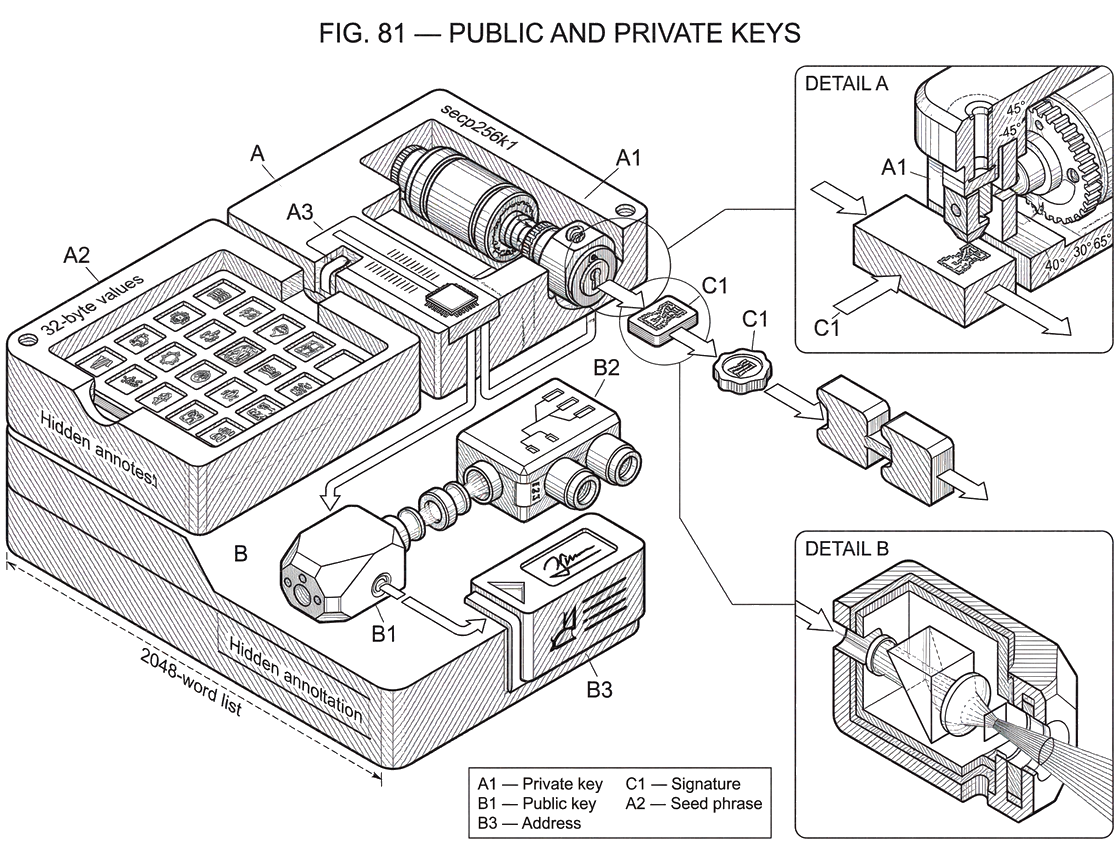
What are Public and Private Keys?
Public and private keys are the small cryptographic objects that make digital ownership possible. If you understand why one key can be shared while the other must stay secret, much of how wallets, addresses, and transaction signing work starts to make sense.
Mar 21, 2026
•
18 min read
#WALLETS
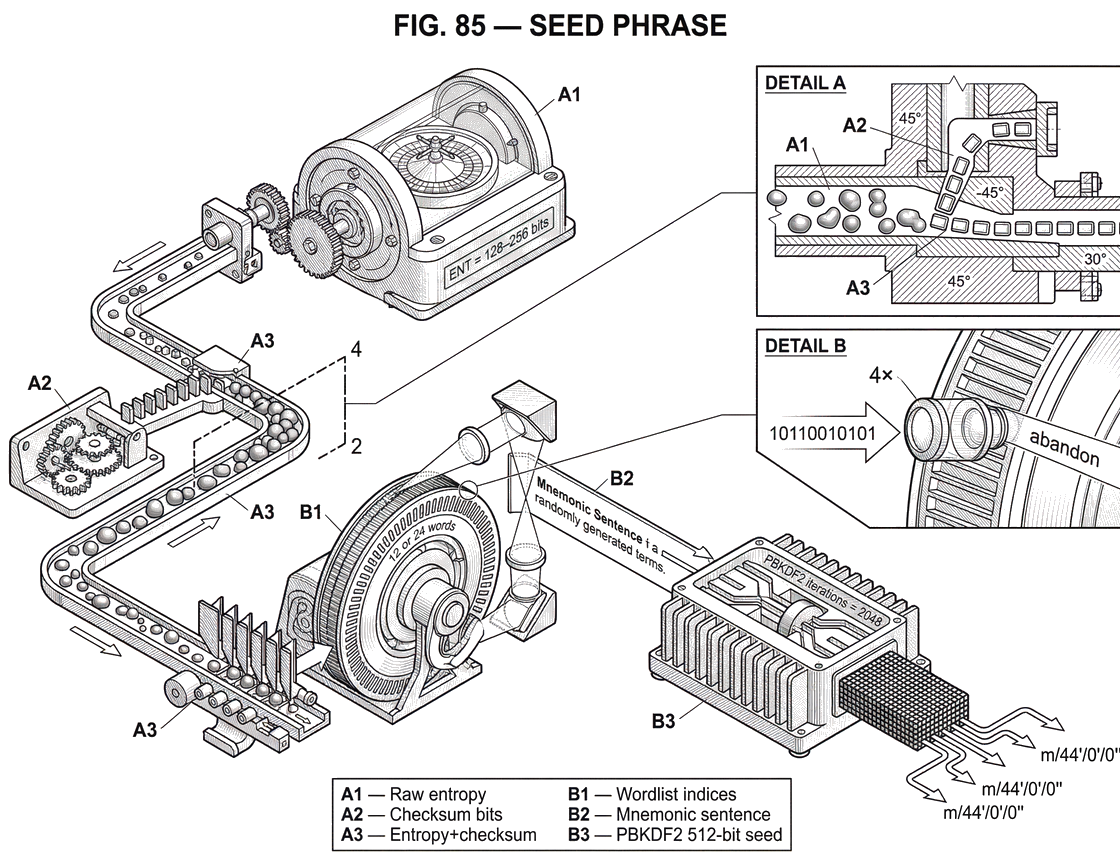
What is a Seed Phrase?
A seed phrase is a strange object: just a short list of words, yet enough to recreate an entire wallet. Its power comes from a simple idea — the words are not your coins, but a human-friendly way to carry the secret entropy from which all your wallet keys can be derived.
Mar 21, 2026
•
22 min read
#WALLETS
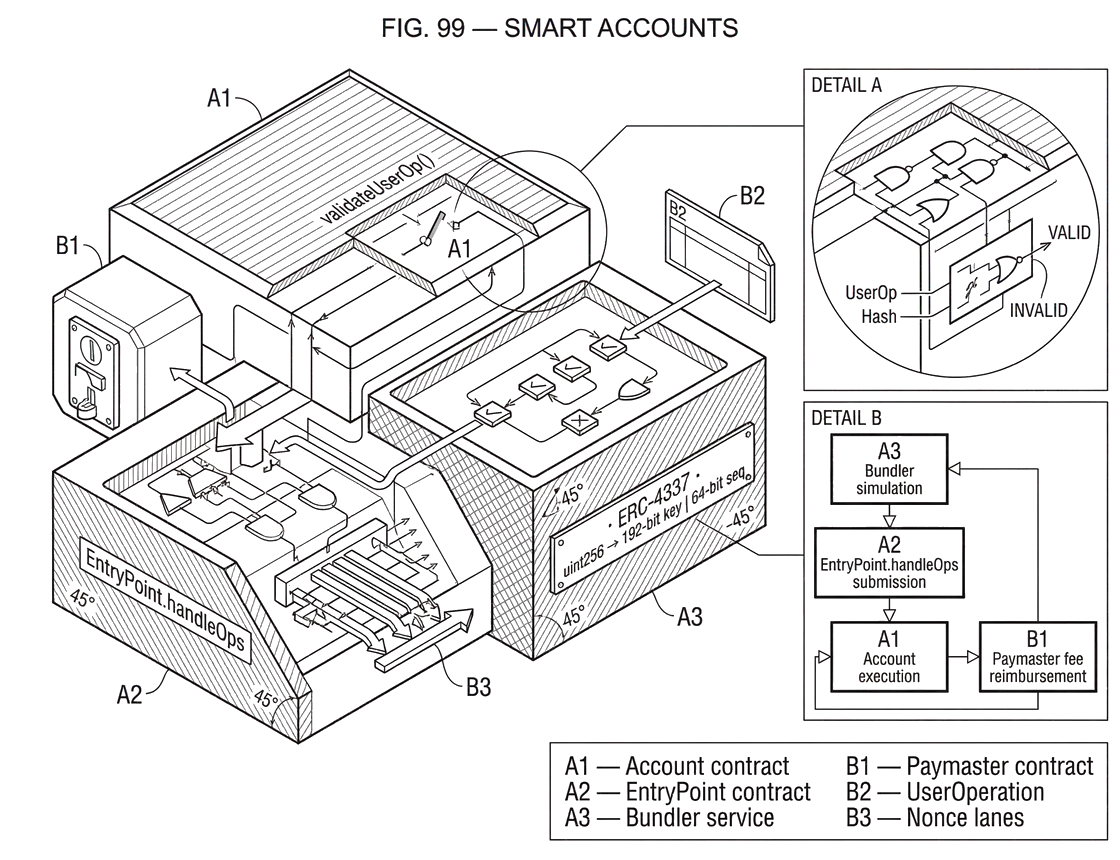
What is a Smart Account?
Smart accounts turn a wallet from a single private key into programmable on-chain logic. That shift sounds small, but it changes what a wallet can do: recovery, multisig, batching, sponsored fees, and custom signing rules become properties of the account itself.
Mar 21, 2026
•
26 min read
#WALLETS
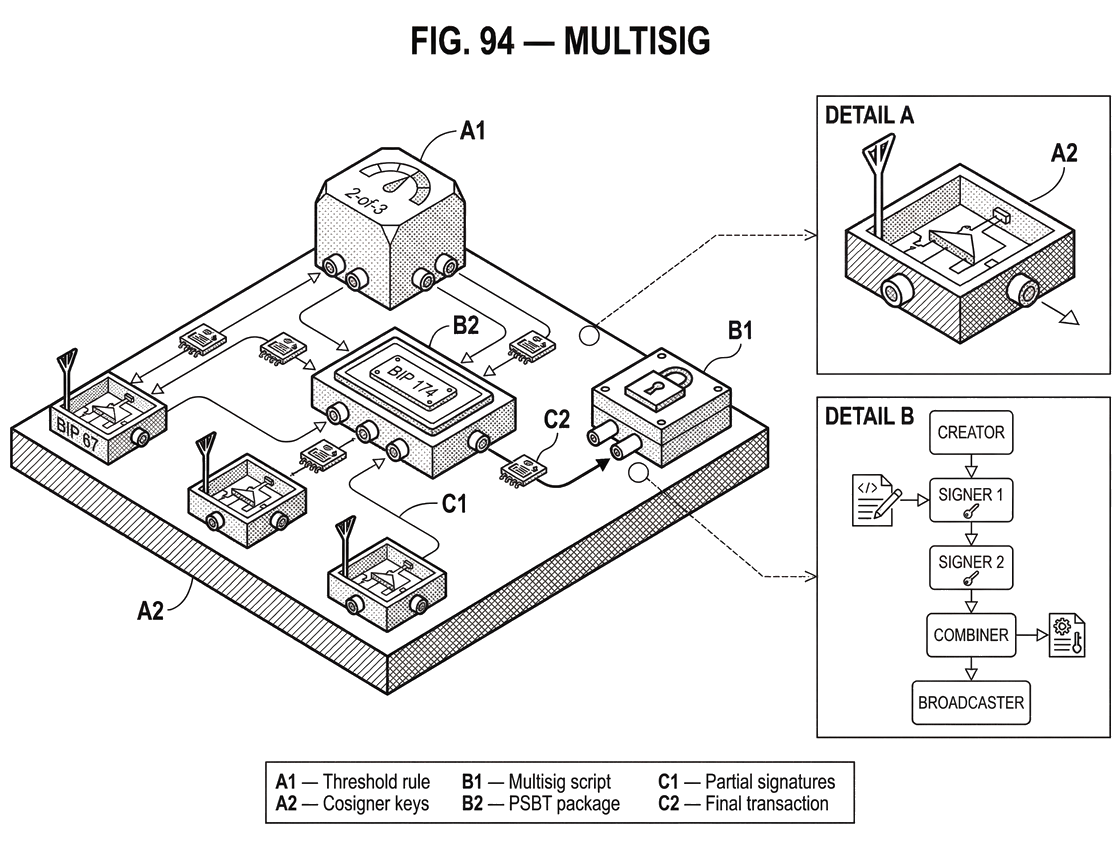
What Is Multisig?
Multisig changes a basic assumption of wallets: one key no longer means one point of control. By requiring `m` approvals out of `n` possible signers, it turns a wallet from a single secret into a coordination rule — which improves resilience, but also introduces new operational risks.
Mar 21, 2026
•
24 min read
#WALLETS
What Is a Non-Custodial Wallet?
A non-custodial wallet gives you control of the cryptographic keys that authorize spending. That sounds like a simple feature, but it changes the whole trust model: no intermediary can freeze your funds, and no intermediary can save you if you lose your keys.
Mar 21, 2026
•
22 min read
#WALLETS
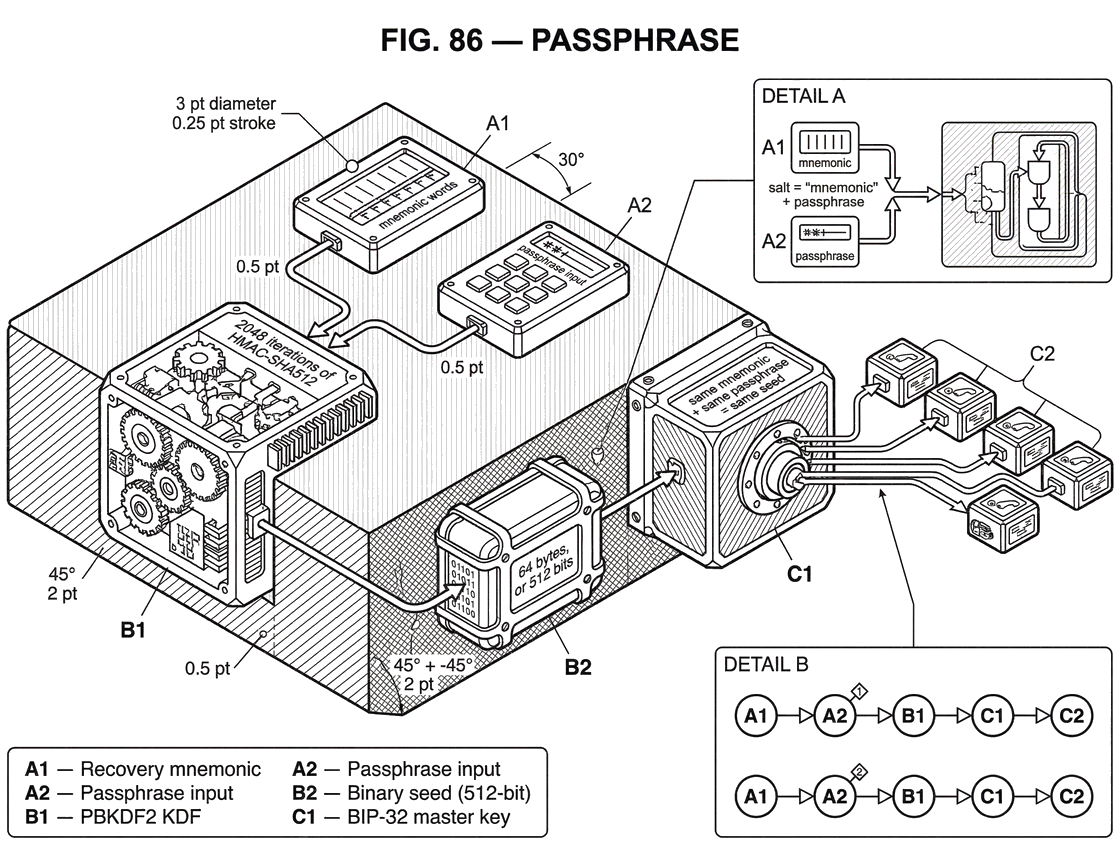
What is a Passphrase?
A wallet passphrase is powerful because it does not merely lock an existing wallet — it changes which wallet is derived from the same recovery phrase. That gives you an extra layer of protection and even plausible deniability, but it also creates a sharp tradeoff: a forgotten passphrase is usually a permanently lost wallet.
Mar 21, 2026
•
21 min read
#WALLETS
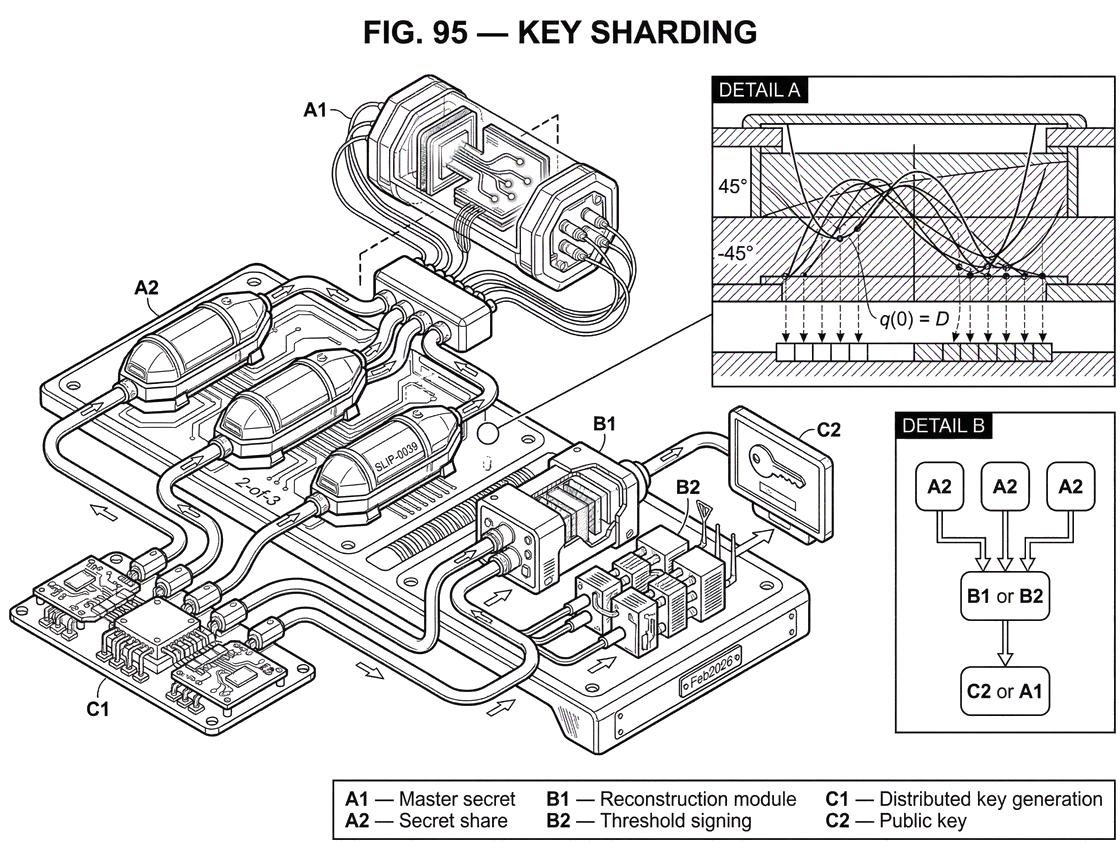
What is Key Sharding?
Key sharding changes the basic failure mode of a wallet. Instead of one secret that can be lost or stolen in a single event, control is divided into shares so recovery and signing depend on a threshold, not a single point of failure.
Mar 21, 2026
•
23 min read
#WALLETS
What Is an MPC Wallet?
An MPC wallet changes one of the oldest assumptions in crypto custody: that one private key must exist somewhere in full. Instead, signing power is split across multiple parties that cooperate to produce an ordinary blockchain signature, reducing single points of failure without changing how the chain verifies transactions.
Mar 21, 2026
•
25 min read
#WALLETS
1
2