Cube
Trade
Pro
Advanced trading interface with professional tools
Swap
Exchange cryptocurrencies instantly
Bundles
Trade multiple tokens in a single transaction
Algos
Create and manage automated trading strategies
Portfolio
Portfolio
View your cryptocurrency holdings and performance
Orders
Track your open and completed orders
Transactions
View your complete transaction history
Rewards
Rewards Dashboard
View your rewards and claim loot boxes
Blocks Leaderboard
See top traders competing for block rewards
Referral Leaderboard
See top referrers and track referral rankings
Investors
Investor Resources
Browse investor resources and documentation
Presentation (pdf)
Download investor presentation
Settings
Profile
Your profile and account verification
Subaccounts
Separate portfolios across subaccounts
Address Book
Manage saved withdrawal addresses
Multi-Factor Authentication
Add a verification step for sensitive account actions
API Keys
Connect applications to your account
Onramp
Link bank account to buy crypto
Account Recovery
Manage account recovery setup
Learn
News
Read the latest news, announcements, and updates from Cube Exchange
What-Is Guides
Learn about cryptocurrencies
FAQ
Frequently asked questions about Cube Exchange
Fees
View our transparent fee schedule and pricing information
Security
Learn more about Cube Exchange security
About
About
Learn more about Cube Exchange
Legal
Legal information, terms of service, privacy policy, and risk disclosures
EN
Select Language
EN
English
ES
Español
ID
Bahasa Indonesia
JA
日本語
PL
Polski
PT
Português
RU
Россия
TH
แบบไทย
TR
Türkçe
UK
Україна
VI
Tiếng Việt
ZH-CN
简体中文
ZH-TW
繁體中文
Light
Dark
System
Sign In
/
Protocols
/
Exchanges
/
Dex
/
Protocols: Exchanges / Dex
What is Uniswap?
Uniswap matters because it replaced the traditional order book with code: pools of tokens and rules that let anyone trade or supply liquidity onchain. Once that idea clicks, the rest of DeFi becomes easier to understand — from simple swaps to the newer, customizable pools in Uniswap v4.
Mar 21, 2026
•
13 min read
#DEX
What is Velodrome?
Velodrome is Optimism’s native DEX built around a simple idea: liquidity should not just exist, it should be steered. Instead of treating trading, liquidity mining, and governance as separate systems, Velodrome ties them together so traders, LPs, token lockers, and partner protocols all influence where rewards flow.
Mar 21, 2026
•
16 min read
#DEX
What is SushiSwap?
SushiSwap matters because it shows what a decentralized exchange becomes once simple token swapping grows into a multi-chain trading system. What began as an automated market maker now aims to help users swap, route, and sometimes move assets across many networks without relying on a centralized intermediary.
Mar 21, 2026
•
14 min read
#DEX
What is Trader Joe?
Trader Joe is a decentralized exchange that evolved from a straightforward Avalanche DEX into a broader DeFi platform built around its Liquidity Book AMM. What makes it interesting is not just that it lets people swap tokens, but that it organizes liquidity into discrete price bins to make trading depth more configurable for both traders and liquidity providers.
Mar 21, 2026
•
16 min read
#DEX
What is PancakeSwap?
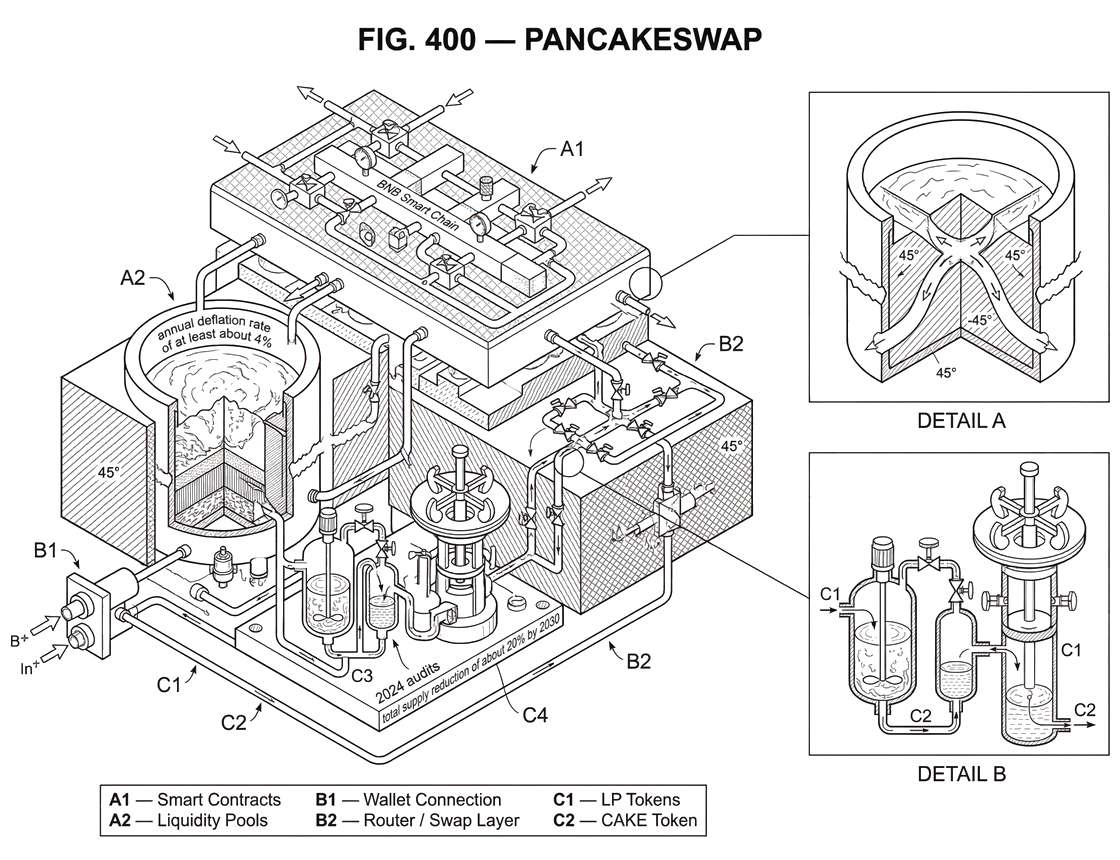
PancakeSwap matters because it turns a blockchain into a live marketplace without handing your assets to an exchange. Its appeal is simple: trade from your own wallet, pay relatively low fees on BNB Smart Chain, and, if you want, put idle tokens to work through liquidity pools, farms, and staking.
Mar 21, 2026
•
14 min read
#DEX
What is Raydium?
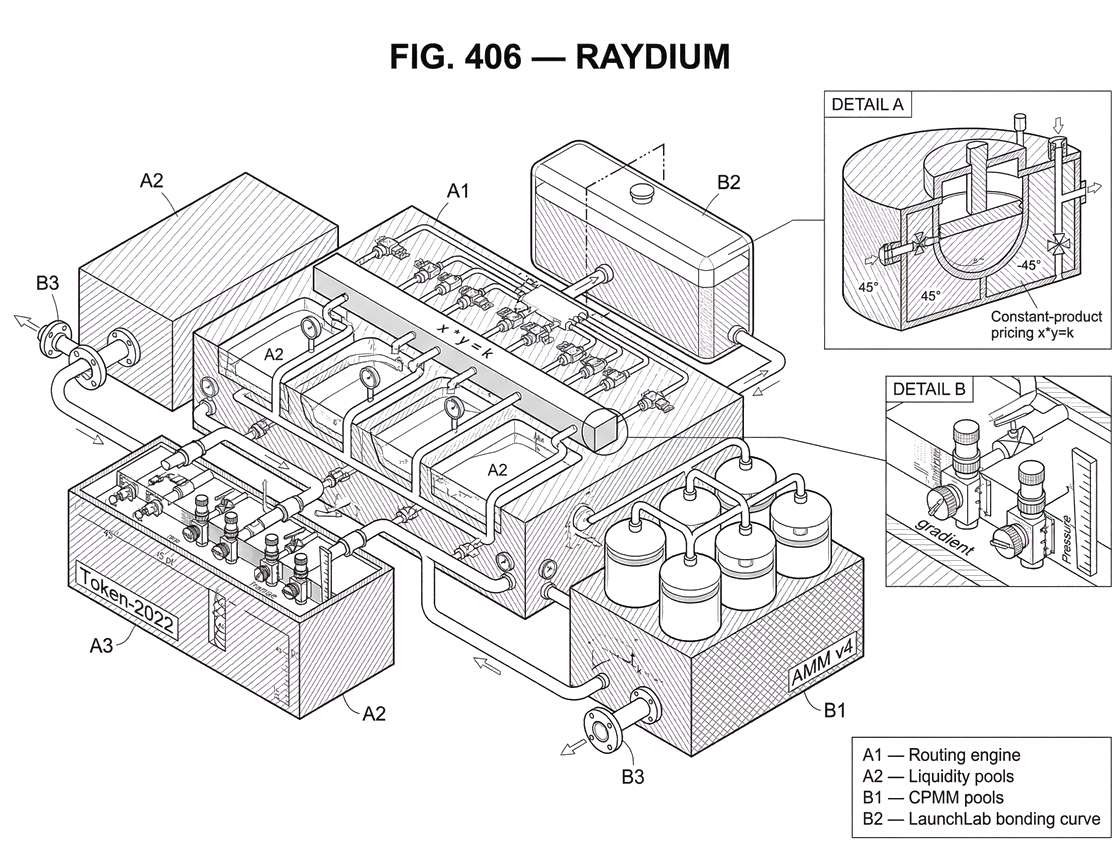
Raydium matters because it is not just a swap interface on Solana; it is liquidity infrastructure that other apps and traders build on top of. Its design is useful once you see the core problem it solves: how to let anyone launch markets, trade quickly, and supply liquidity with different levels of control.
Mar 21, 2026
•
13 min read
#DEX
What is Hyperliquid DEX?
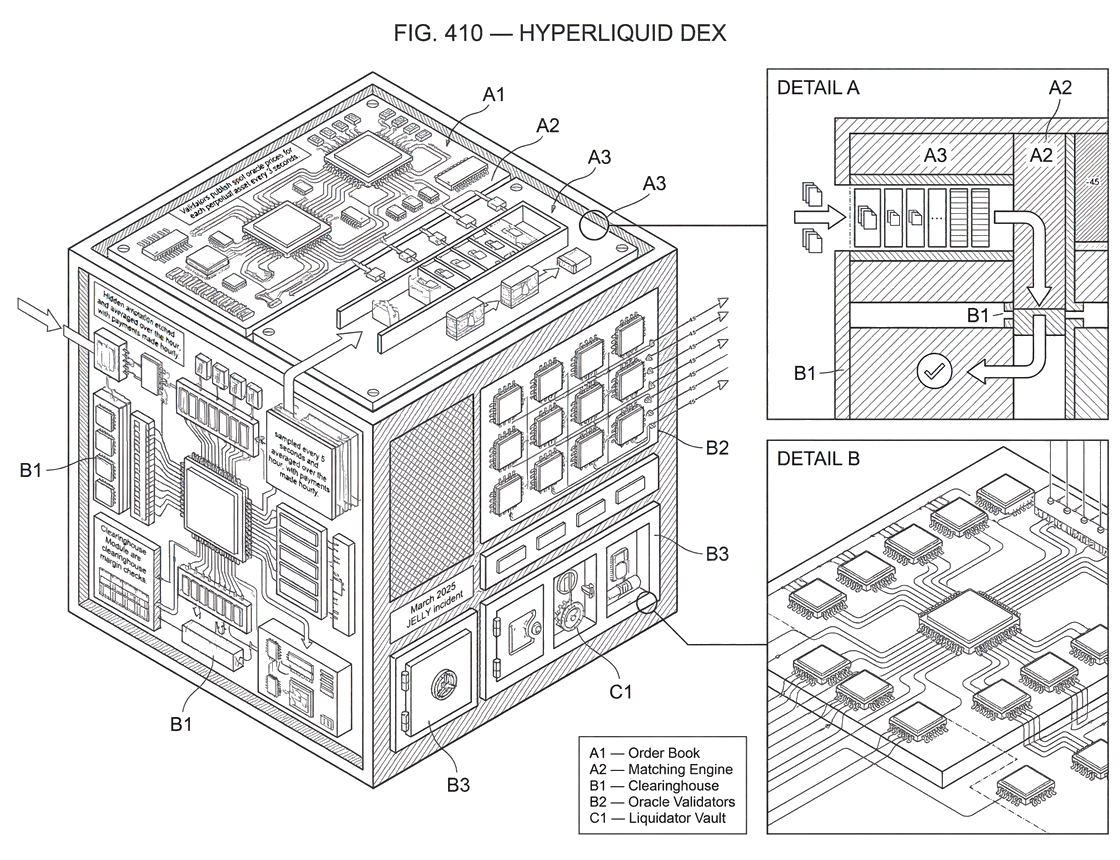
Hyperliquid DEX is unusual because it tries to give traders a centralized-exchange style order book while keeping matching, margin, and liquidation logic on-chain. That design makes it attractive to active perp traders who care about speed and market structure, but it also makes the exchange’s risk engine and sequencing rules central to understanding how it behaves.
Mar 21, 2026
•
15 min read
#DEX
What is Jupiter?
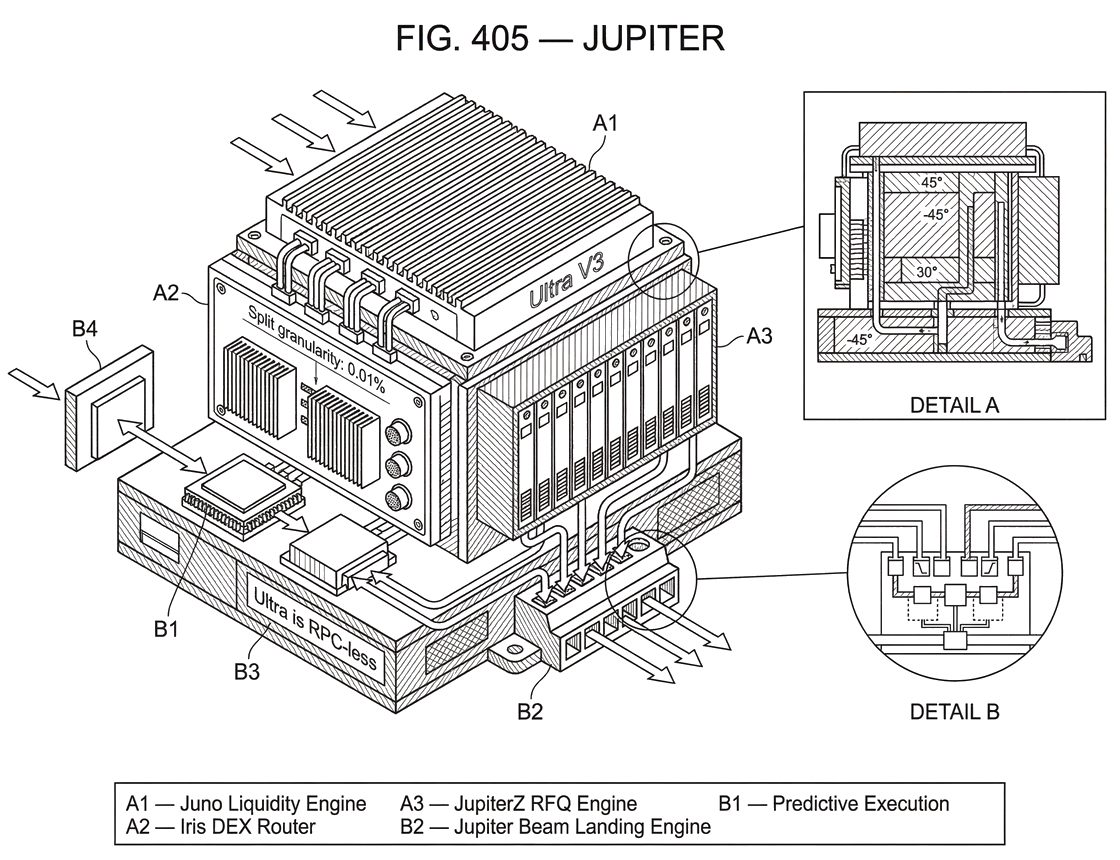
Jupiter matters because swapping onchain is not just about finding a quote — it is about getting a trade to actually land at a good price. On Solana, Jupiter has built itself around that harder problem, combining liquidity aggregation, routing, and transaction execution into a single trading layer.
Mar 21, 2026
•
14 min read
#DEX
What is Orca?
Orca is a Solana-based decentralized exchange built around concentrated liquidity, which means liquidity is placed where trading actually happens instead of being spread thinly everywhere. That design makes swaps more efficient, but it also asks more of liquidity providers than older AMMs do.
Mar 21, 2026
•
15 min read
#DEX
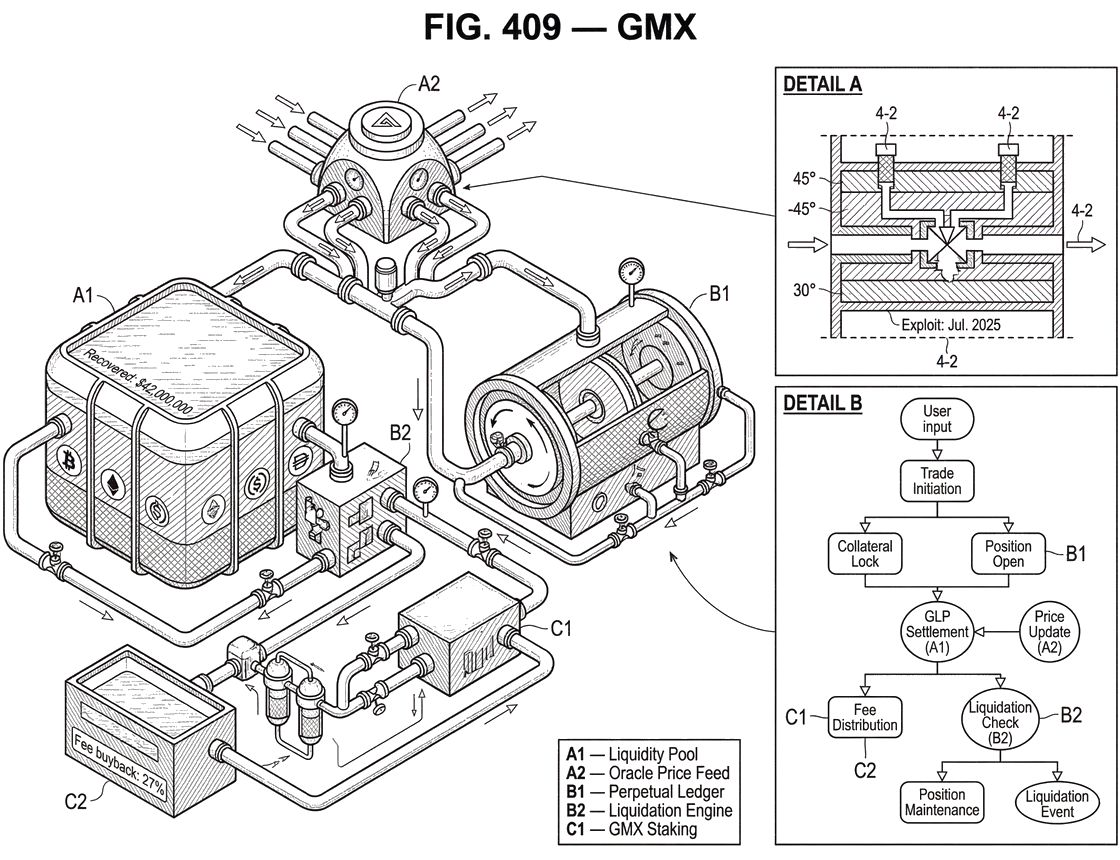
What is GMX?
GMX is a decentralized perpetual exchange built around a different idea from a traditional order book: traders interact with a shared liquidity pool instead of matching directly against other traders. That design aims to make onchain leverage trading feel simpler, while shifting the key questions to pricing, liquidity, and risk management.
Mar 21, 2026
•
14 min read
#DEX
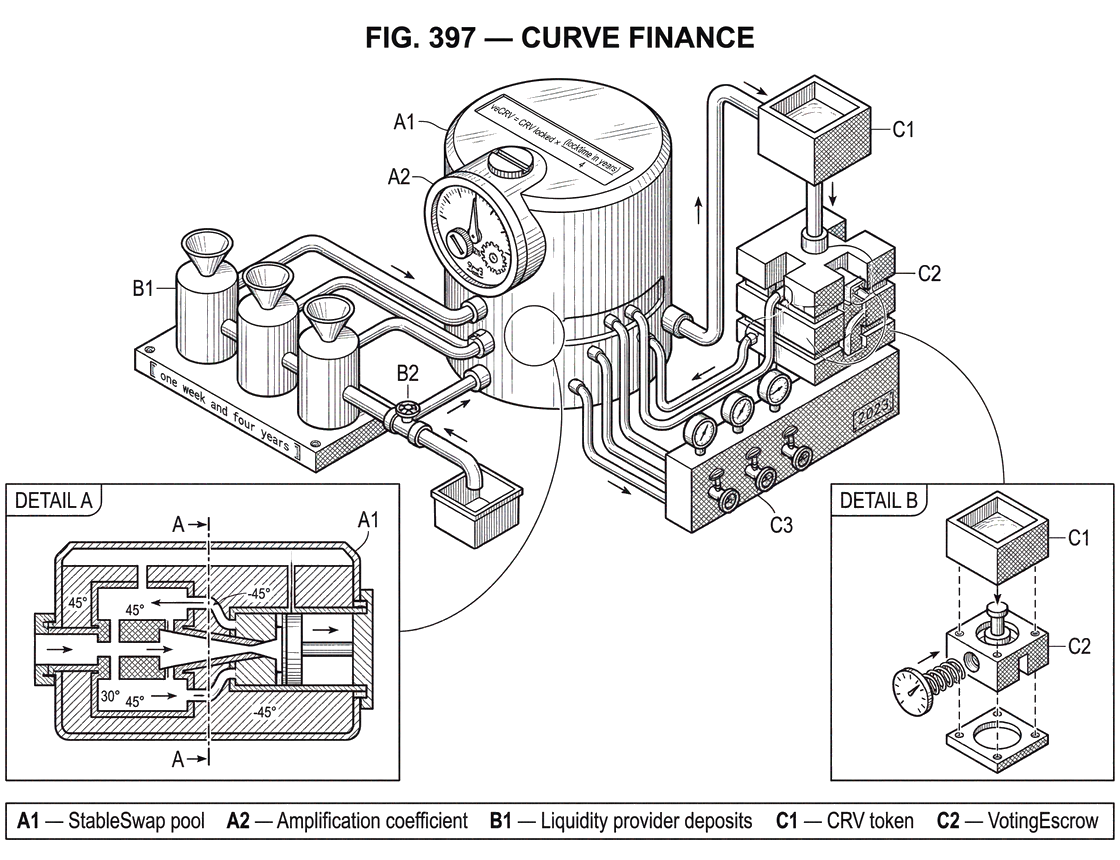
What is Curve Finance?
Curve Finance matters because it solves a very specific market problem better than most exchanges do: swapping assets that should trade close to the same price. Its design is built for stablecoins and other correlated assets, where traders care less about price discovery and more about getting in and out with minimal slippage.
Mar 21, 2026
•
14 min read
#DEX
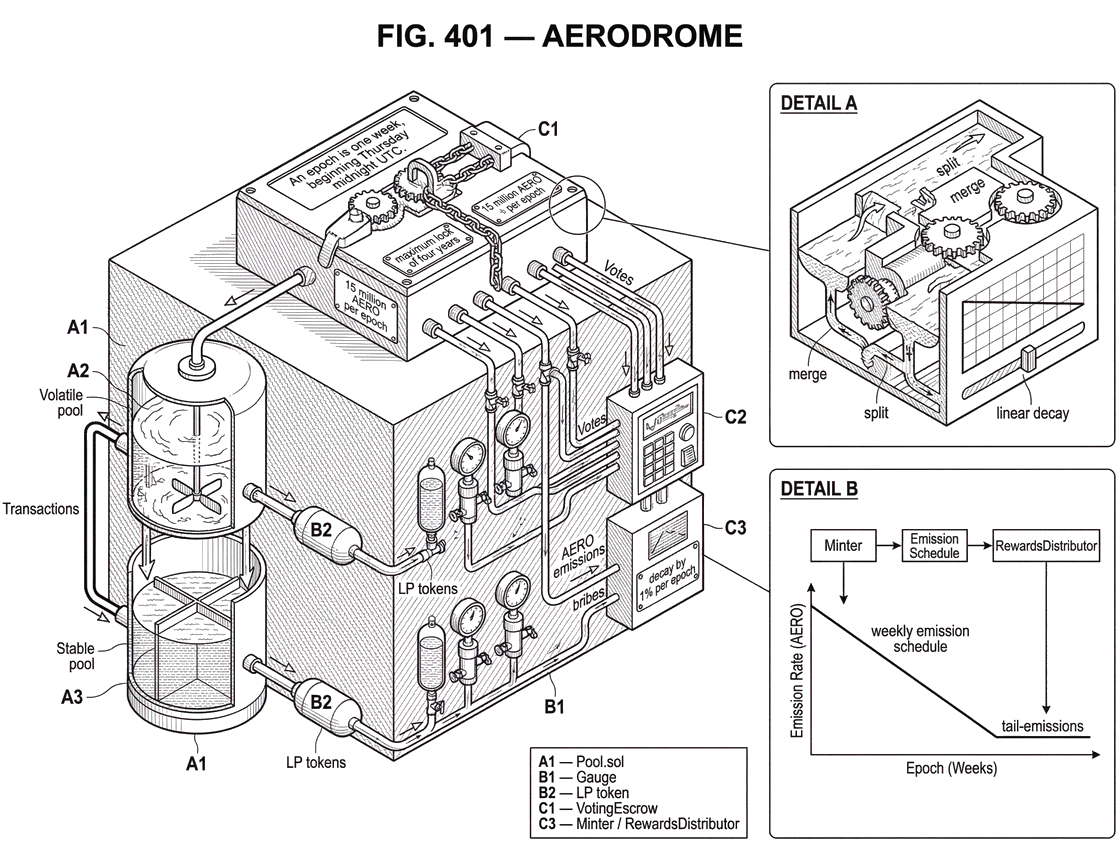
What is Aerodrome?
Aerodrome is a decentralized exchange on Base built around a simple but powerful idea: let token holders vote where liquidity incentives go. That turns a DEX from a passive trading venue into a market for directing liquidity, fees, and emissions.
Mar 21, 2026
•
15 min read
#DEX
1
2