Cube
Trade
Pro
Advanced trading interface with professional tools
Swap
Exchange cryptocurrencies instantly
Bundles
Trade multiple tokens in a single transaction
Algos
Create and manage automated trading strategies
Portfolio
Portfolio
View your cryptocurrency holdings and performance
Orders
Track your open and completed orders
Transactions
View your complete transaction history
Rewards
Rewards Dashboard
View your rewards and claim loot boxes
Blocks Leaderboard
See top traders competing for block rewards
Referral Leaderboard
See top referrers and track referral rankings
Investors
Investor Resources
Browse investor resources and documentation
Presentation (pdf)
Download investor presentation
Settings
Profile
Your profile and account verification
Subaccounts
Separate portfolios across subaccounts
Address Book
Manage saved withdrawal addresses
Multi-Factor Authentication
Add a verification step for sensitive account actions
API Keys
Connect applications to your account
Onramp
Link bank account to buy crypto
Account Recovery
Manage account recovery setup
Learn
News
Read the latest news, announcements, and updates from Cube Exchange
What-Is Guides
Learn about cryptocurrencies
FAQ
Frequently asked questions about Cube Exchange
Fees
View our transparent fee schedule and pricing information
Security
Learn more about Cube Exchange security
About
About
Learn more about Cube Exchange
Legal
Legal information, terms of service, privacy policy, and risk disclosures
EN
Select Language
EN
English
ES
Español
ID
Bahasa Indonesia
JA
日本語
PL
Polski
PT
Português
RU
Россия
TH
แบบไทย
TR
Türkçe
UK
Україна
VI
Tiếng Việt
ZH-CN
简体中文
ZH-TW
繁體中文
Light
Dark
System
Sign In
/
Protocols
/
Protocols
Layer 1 and Layer 2 networks, DeFi protocols, and the infrastructure powering decentralized apps.
#BITCOIN
#ETHEREUM
#EXCHANGES
#LENDING
#NETWORKS
#ORACLES
#SOLANA
#STABLECOINS
What is Hashprice?
Hashprice is the market’s shorthand for a simple but powerful question: how much revenue should a given amount of Bitcoin hashrate earn today? That number sits at the center of mining economics, linking block rewards, fees, difficulty, and bitcoin’s price into a single unit miners, pools, and derivatives traders can actually use.
Mar 22, 2026
•
22 min read
#BITCOIN
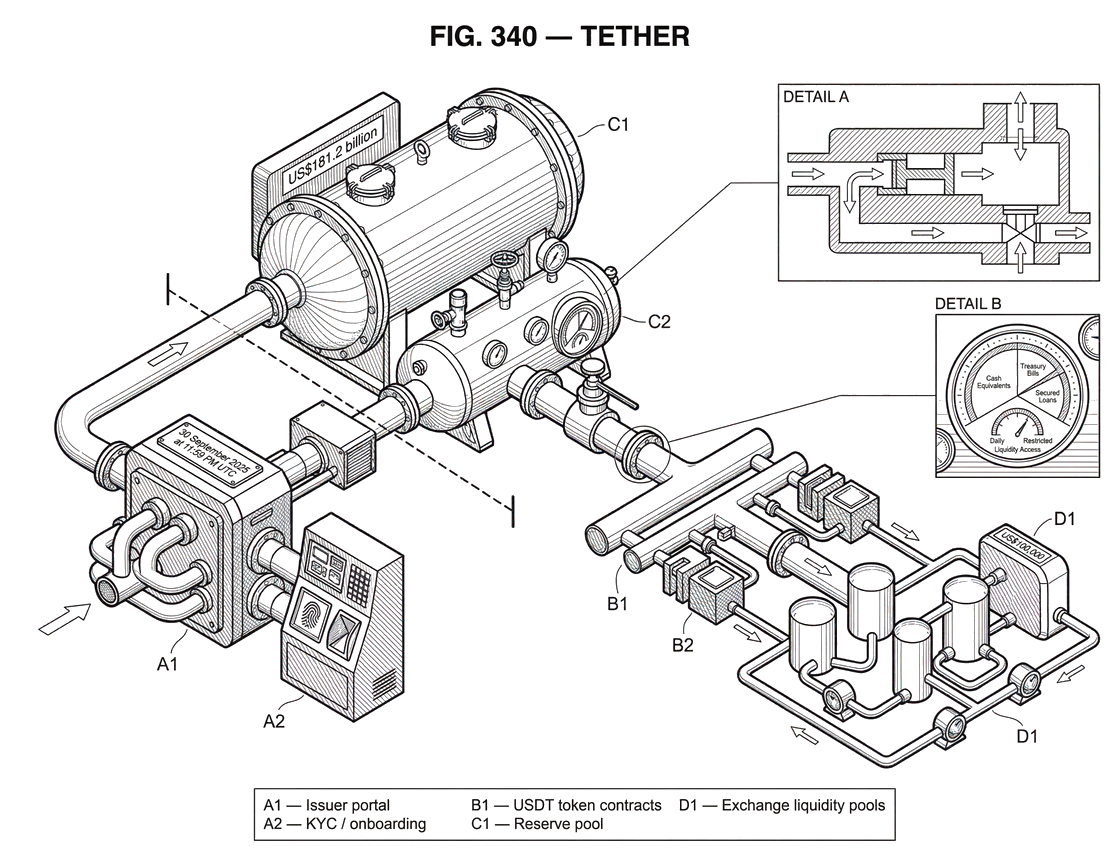
What is Tether?
Tether is the stablecoin most people encounter first because it solves a simple but important problem: moving dollar-like value across crypto networks without using the banking system for every transfer. Its usefulness comes from that bridge between off-chain reserves and on-chain tokens — and most of its trade-offs come from the same place.
Mar 21, 2026
•
14 min read
#STABLECOINS
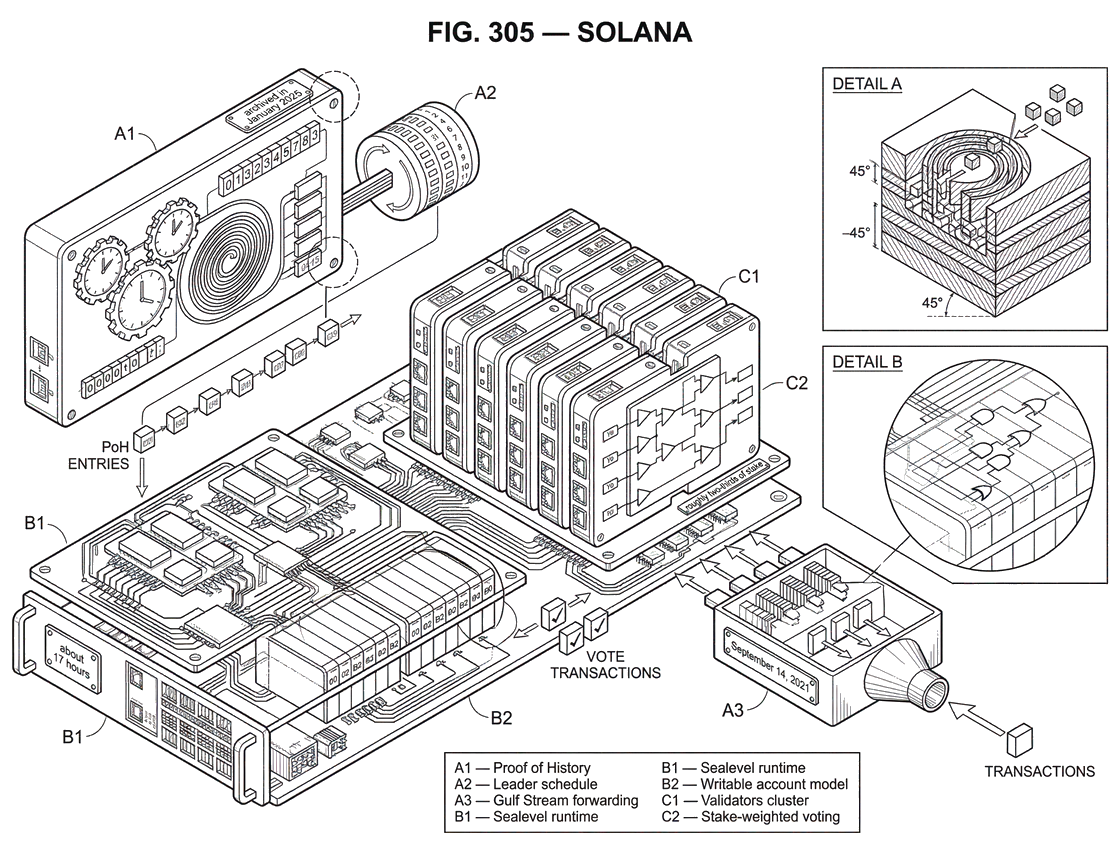
What is Solana?
Solana matters because it asks a different question from many blockchains: what if the base layer itself were fast enough for markets, payments, and consumer apps? Its design tries to push more ordering, execution, and networking work into the protocol so transactions can clear quickly and cheaply on a single shared chain.
Mar 21, 2026
•
23 min read
#SOLANA
What is Circle?
Circle matters because it turns bank-held dollars into a token that can move on public blockchains while still promising 1:1 redemption back into cash. Its usefulness comes from combining crypto’s speed and programmability with a reserve and compliance model designed to make institutions trust the peg.
Mar 21, 2026
•
14 min read
#STABLECOINS
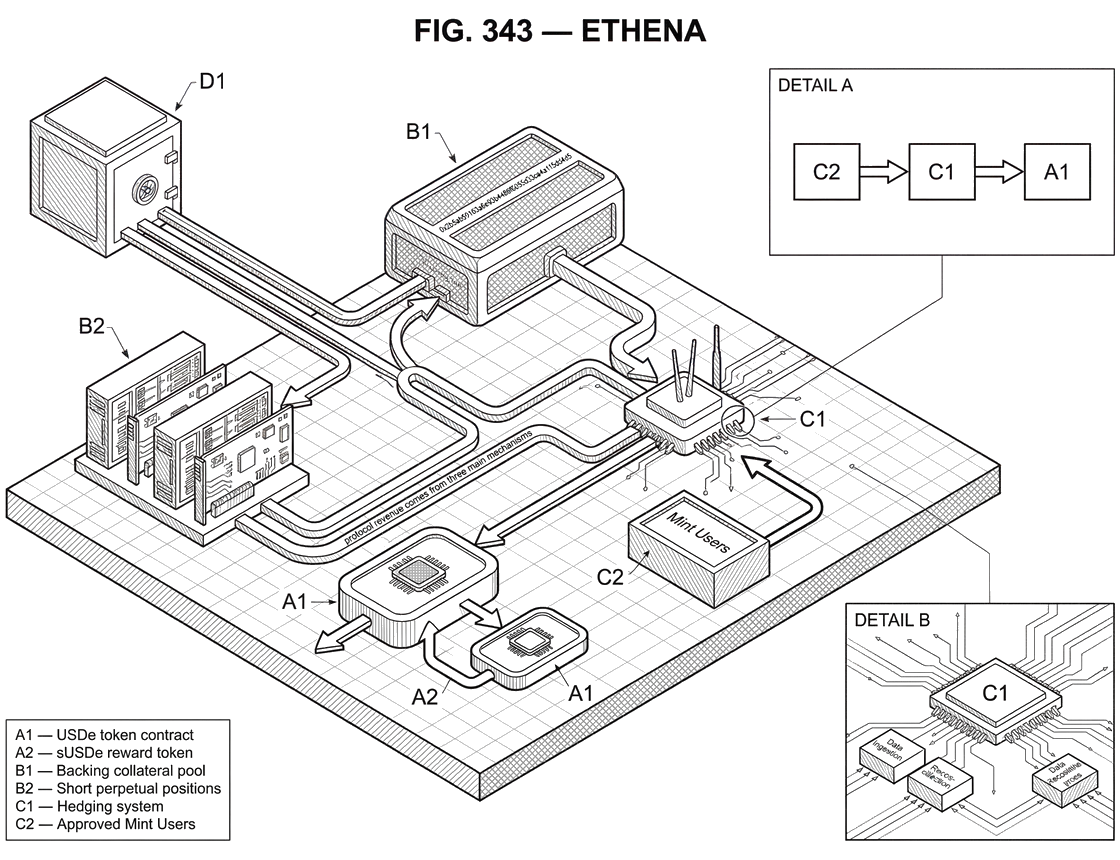
What is Ethena?
Ethena matters because it tries to create a dollar-like crypto asset without parking dollars in a bank. Instead, it builds `USDe` from crypto collateral plus offsetting derivatives hedges — a design that can be more crypto-native and scalable, but only if its trading, custody, and funding assumptions keep working.
Mar 21, 2026
•
13 min read
#STABLECOINS
What is Pyth?
Pyth matters because it tries to solve a specific oracle problem: how to move fast market prices across many blockchains without making every chain pay for constant updates. Its answer is a first-party, pull-based oracle network built around Pythnet, cross-chain proofs, and consumer-triggered updates.
Mar 21, 2026
•
14 min read
#ORACLES
What is Proof of History?
Proof of History is Solana’s attempt to solve a specific blockchain problem: agreeing on the order of events without making the whole network constantly negotiate what time it is. It does that with a sequential hash process that acts like a cryptographic clock, then hands that ordering to consensus.
Mar 21, 2026
•
23 min read
#SOLANA
What is Sealevel?
Sealevel is the idea that makes Solana’s high throughput plausible: transactions must say in advance which accounts they will read and write, so the runtime can safely run non-conflicting work at the same time. That sounds simple, but it changes how smart contracts are structured, scheduled, and optimized all the way down to the hardware.
Mar 21, 2026
•
22 min read
#SOLANA
What is VeChain?
VeChain is a public blockchain built around a simple enterprise problem: how do you make shared data trustworthy enough for businesses to act on it without making the system too slow, expensive, or volatile to use? Its design pairs a general-purpose smart contract chain with a separate gas token, governance tooling, and a strong focus on traceability and sustainability-linked applications.
Mar 21, 2026
•
24 min read
#NETWORKS
What is XDC Network?
XDC Network is an EVM-compatible Layer 1 built around a specific tradeoff: give up some validator openness in exchange for faster finality, lower fees, and enterprise-oriented controls. That design makes more sense once you see how its XDPoS consensus, masternode rules, and hybrid-network ambitions fit together.
Mar 21, 2026
•
26 min read
#NETWORKS
What is TON?
TON is a blockchain network built around an unusually ambitious idea: if blockchains become congested because too many users share one execution path, split that path aggressively and route messages between the pieces. That design, combined with tight Telegram distribution and a message-oriented virtual machine, is what makes TON feel different from more familiar smart-contract chains.
Mar 21, 2026
•
24 min read
#NETWORKS
What is TRON?
TRON is a smart-contract blockchain built to make transactions and contract execution feel cheap and fast by replacing a simple fee market with staked resources, elected block producers, and an EVM-like virtual machine. That design explains both its appeal for high-volume activity and the tradeoffs it makes around governance and resource allocation.
Mar 21, 2026
•
26 min read
#NETWORKS
1
2
3
4
5
6
7
8
9
10
11