Cube
Trade
Pro
Advanced trading interface with professional tools
Swap
Exchange cryptocurrencies instantly
Bundles
Trade multiple tokens in a single transaction
Algos
Create and manage automated trading strategies
Portfolio
Portfolio
View your cryptocurrency holdings and performance
Orders
Track your open and completed orders
Transactions
View your complete transaction history
Rewards
Rewards Dashboard
View your rewards and claim loot boxes
Blocks Leaderboard
See top traders competing for block rewards
Referral Leaderboard
See top referrers and track referral rankings
Investors
Investor Resources
Browse investor resources and documentation
Presentation (pdf)
Download investor presentation
Settings
Profile
Your profile and account verification
Subaccounts
Separate portfolios across subaccounts
Address Book
Manage saved withdrawal addresses
Multi-Factor Authentication
Add a verification step for sensitive account actions
API Keys
Connect applications to your account
Onramp
Link bank account to buy crypto
Account Recovery
Manage account recovery setup
Learn
News
Read the latest news, announcements, and updates from Cube Exchange
What-Is Guides
Learn about cryptocurrencies
FAQ
Frequently asked questions about Cube Exchange
Fees
View our transparent fee schedule and pricing information
Security
Learn more about Cube Exchange security
About
About
Learn more about Cube Exchange
Legal
Legal information, terms of service, privacy policy, and risk disclosures
EN
Select Language
EN
English
ES
Español
ID
Bahasa Indonesia
JA
日本語
PL
Polski
PT
Português
RU
Россия
TH
แบบไทย
TR
Türkçe
UK
Україна
VI
Tiếng Việt
ZH-CN
简体中文
ZH-TW
繁體中文
Light
Dark
System
Sign In
/
Foundations
/
Scaling
/
Foundations: Scaling
#DATA
#LAYERS
#ROLLUPS
What is a Sidechain?
A sidechain is a separate blockchain that lets assets or messages move off a main chain without changing the main chain itself. That sounds like simple scaling, but the important question is where the security comes from: a sidechain has its own security model, and that tradeoff is the whole story.
Mar 21, 2026
•
26 min read
#LAYERS
What Is the Consensus Layer?
The consensus layer is the part of a blockchain stack that answers the hardest coordination question: which block does the network agree came next, and when is that choice unlikely to be reversed? In modular systems, that job is deliberately separated from execution so blockchains can scale, upgrade, and specialize without mixing agreement with computation.
Mar 21, 2026
•
22 min read
#LAYERS
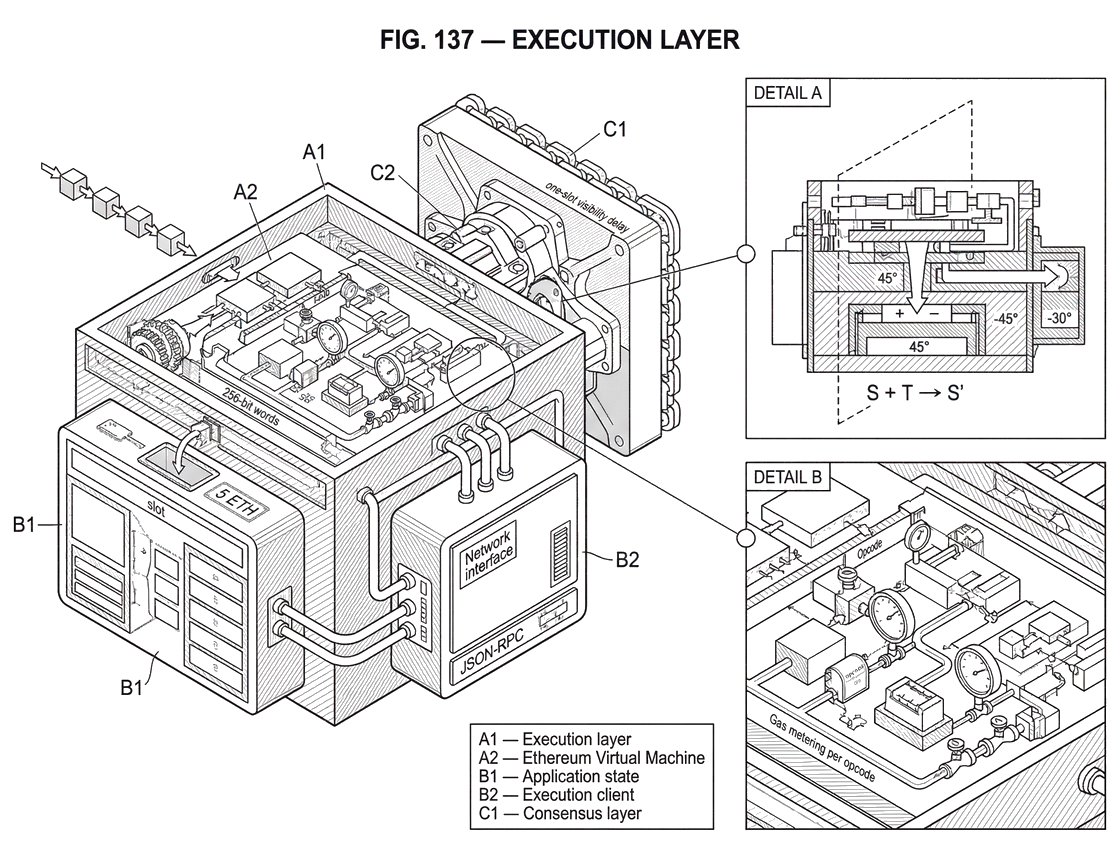
What Is the Execution Layer?
The execution layer is the part of a blockchain system that actually runs transactions and updates state. It matters because scaling is not just about making blocks faster to agree on — it is about deciding where computation happens, how it is verified, and which layer bears the cost.
Mar 21, 2026
•
23 min read
#LAYERS
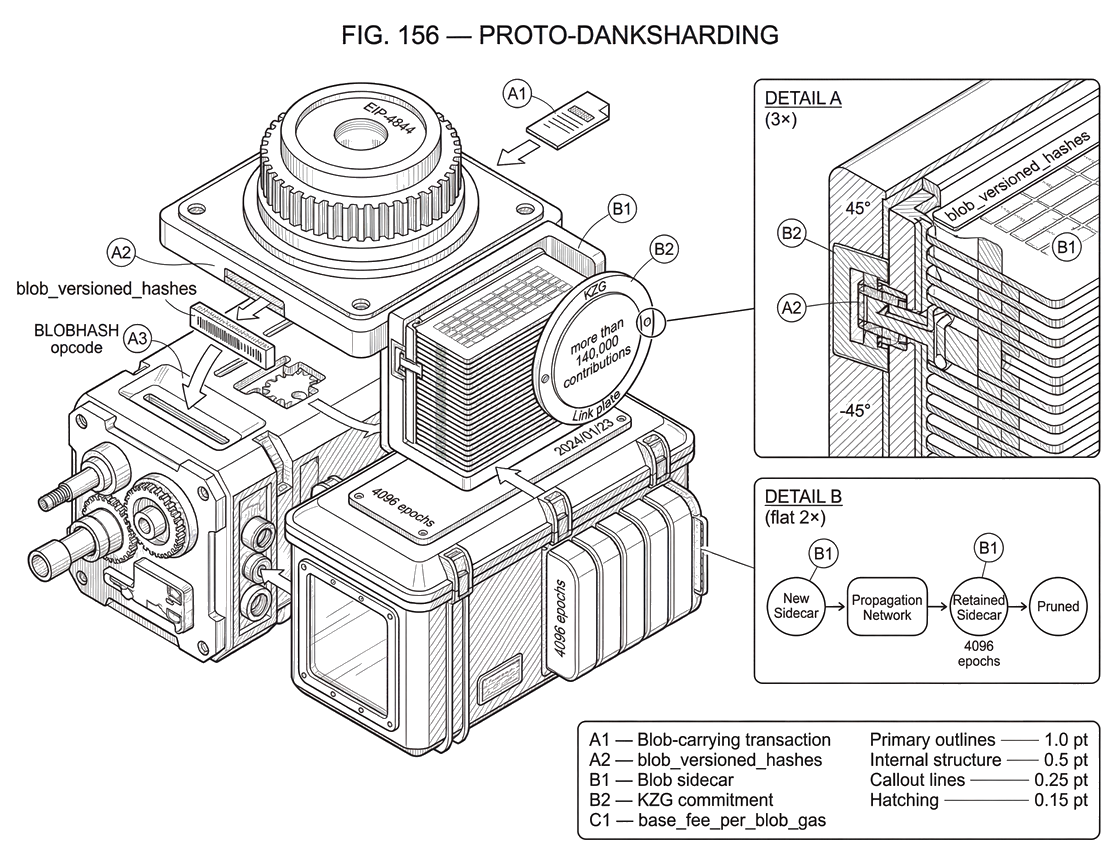
What is Proto-Danksharding?
Proto-danksharding matters because it changes what kind of data a blockchain block can carry, not just how much. By introducing cheap, temporary blob space for rollups, it cuts one of the main costs behind Layer-2 fees while preserving a path toward much larger data-availability scaling later.
Mar 21, 2026
•
23 min read
#DATA
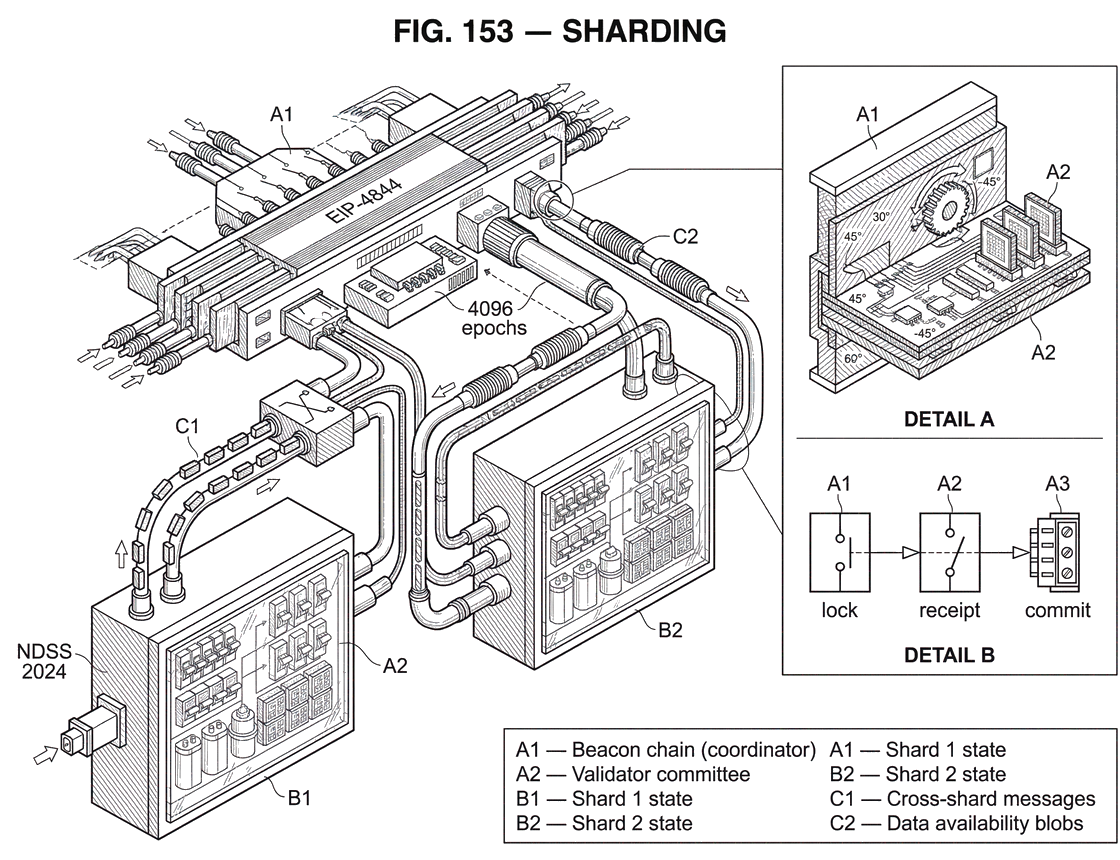
What is Sharding?
Sharding is one of the clearest ways to make a blockchain do more work without asking every node to process everything. The hard part is not the split itself, but preserving security, data availability, and cross-shard correctness once the system is no longer fully replicated.
Mar 21, 2026
•
25 min read
#DATA
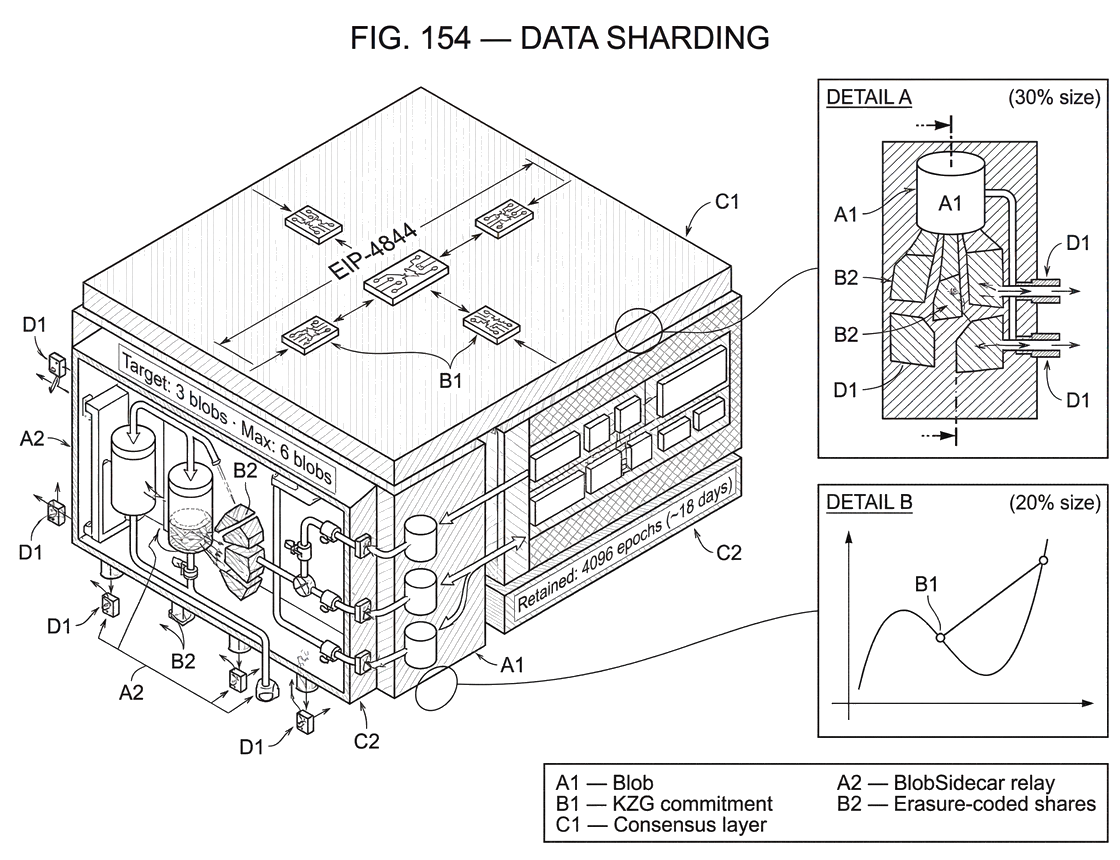
What Is Data Sharding?
Data sharding tries to scale blockchains by spreading the burden of storing and serving transaction data, not by asking every node to download everything forever. That sounds simple, but it only works if the network can still prove the data was really available when the block was accepted.
Mar 21, 2026
•
23 min read
#DATA
What is Execution Sharding?
Execution sharding tries to scale a blockchain by splitting not just storage, but the work of running transactions and updating state. The idea sounds simple until contracts, shared state, and cross-shard coordination enter the picture — and that is exactly where the real design tradeoffs live.
Mar 21, 2026
•
24 min read
#DATA
What is Layer 1?
Layer 1 is the base blockchain that decides what counts as true: who can update state, how blocks are produced, and when transactions are final. Understanding Layer 1 is the key to understanding why scaling is hard, why Layer 2 exists, and why different chains make very different tradeoffs.
Mar 21, 2026
•
22 min read
#LAYERS
What is an Aggregator?
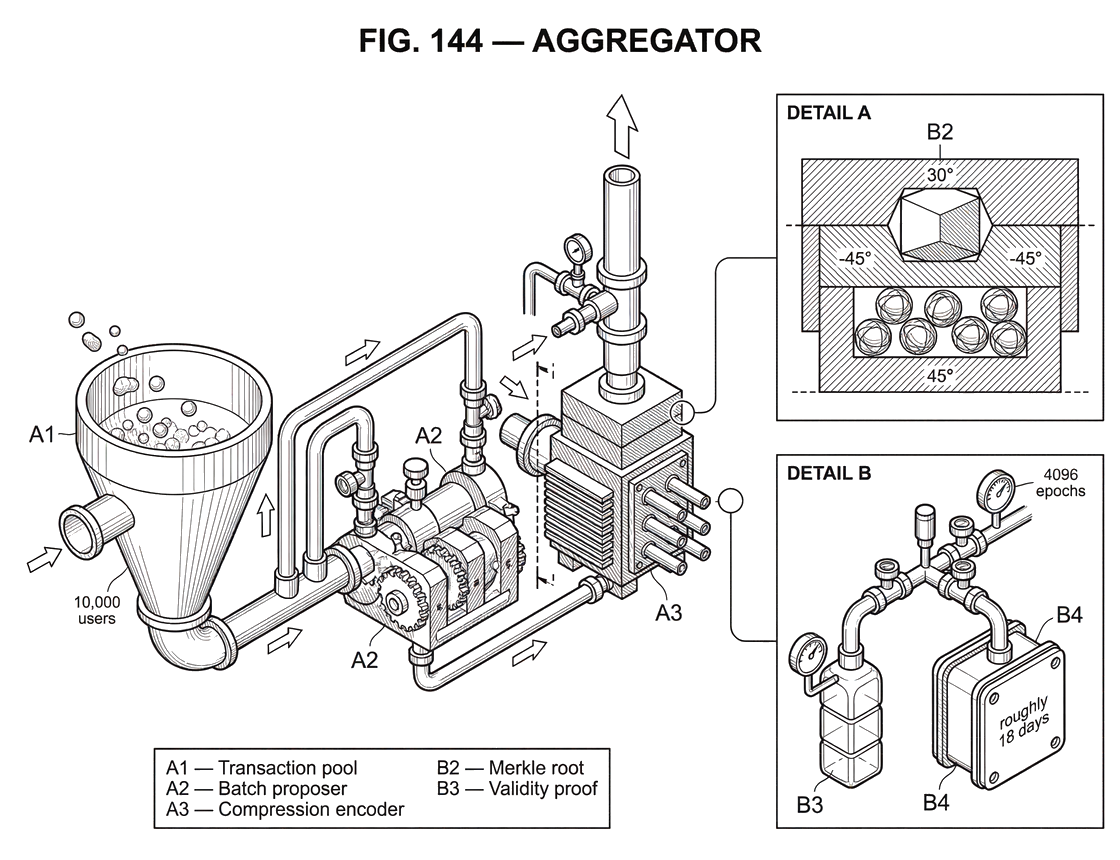
An aggregator is the rollup component that turns many offchain transactions into a small onchain footprint. It is where scalability becomes concrete: batching, compression, data publication, and sometimes proof submission all happen here — along with some of a rollup’s sharpest trust and liveness tradeoffs.
Mar 21, 2026
•
22 min read
#ROLLUPS
What is Danksharding?
Danksharding matters because it changes what Ethereum tries to scale. Instead of making every node execute vastly more transactions, it tries to make publishing rollup data much cheaper and much larger in volume, so Layer 2 systems can do the heavy execution work while Ethereum verifies that the data was really made available.
Mar 21, 2026
•
25 min read
#DATA
What Is Data Availability?
Data availability sounds like a storage detail, but it is really a security property: can anyone actually get the block data needed to verify what happened? Modern scaling systems rise or fall on this question, because cheap execution is useless if the underlying data can be hidden.
Mar 21, 2026
•
26 min read
#DATA
1
2