Cube
Trade
Pro
Advanced trading interface with professional tools
Swap
Exchange cryptocurrencies instantly
Bundles
Trade multiple tokens in a single transaction
Algos
Create and manage automated trading strategies
Portfolio
Portfolio
View your cryptocurrency holdings and performance
Orders
Track your open and completed orders
Transactions
View your complete transaction history
Rewards
Rewards Dashboard
View your rewards and claim loot boxes
Blocks Leaderboard
See top traders competing for block rewards
Referral Leaderboard
See top referrers and track referral rankings
Investors
Investor Resources
Browse investor resources and documentation
Presentation (pdf)
Download investor presentation
Settings
Profile
Your profile and account verification
Subaccounts
Separate portfolios across subaccounts
Address Book
Manage saved withdrawal addresses
Multi-Factor Authentication
Add a verification step for sensitive account actions
API Keys
Connect applications to your account
Onramp
Link bank account to buy crypto
Account Recovery
Manage account recovery setup
Learn
News
Read the latest news, announcements, and updates from Cube Exchange
What-Is Guides
Learn about cryptocurrencies
FAQ
Frequently asked questions about Cube Exchange
Fees
View our transparent fee schedule and pricing information
Security
Learn more about Cube Exchange security
About
About
Learn more about Cube Exchange
Legal
Legal information, terms of service, privacy policy, and risk disclosures
EN
Select Language
EN
English
ES
Español
ID
Bahasa Indonesia
JA
日本語
PL
Polski
PT
Português
RU
Россия
TH
แบบไทย
TR
Türkçe
UK
Україна
VI
Tiếng Việt
ZH-CN
简体中文
ZH-TW
繁體中文
Light
Dark
System
Sign In
/
Protocols
/
Lending
/
Protocols: Lending
What is Kamino?
Kamino matters because it turns several common Solana DeFi tasks — lending, borrowing, and more structured yield strategies — into one connected system. Its core trick is simple: pooled lending markets on one side, and vaults and APIs on top that make those markets easier to use directly or embed into other products.
Mar 21, 2026
•
15 min read
#LENDING
What is Liquity?
Liquity is a crypto-backed borrowing protocol built for people who want dollar liquidity without selling their ETH or staked ETH. Its defining bet is that a lending market can run with minimal governance: users lock collateral, mint a stablecoin, and rely on hard rules rather than ongoing human control.
Mar 21, 2026
•
15 min read
#LENDING
What is Maker?
Maker is one of DeFi’s foundational lending protocols because it turns volatile crypto collateral into a spendable dollar-like asset without relying on a bank. Its core idea is simple but powerful: users lock approved assets in on-chain vaults and generate DAI against them, while the protocol manages solvency through overcollateralization, liquidations, and governance-set risk rules.
Mar 21, 2026
•
17 min read
#LENDING
What is Aave?
Aave matters because it turned crypto lending into a shared on-chain market: deposit assets into a pool, earn yield, and borrow against collateral without asking a bank for permission. Its design looks simple from the outside, but the useful part is how smart contracts continuously price risk, interest, and liquidation in real time.
Mar 21, 2026
•
16 min read
#LENDING
What is Compound?
Compound matters because it turned lending and borrowing into a shared on-chain market instead of a negotiated loan. You deposit assets into a pool, earn a variable rate, or borrow against collateral under rules enforced by smart contracts rather than a broker.
Mar 21, 2026
•
14 min read
#LENDING
What Is Euler?
Euler is a DeFi lending protocol built around a simple but ambitious idea: lending markets should be easier to create, more flexible to compose, and less dependent on a central listing committee. That makes it useful for both everyday lenders and developers — but it also makes risk management the heart of the design.
Mar 21, 2026
•
15 min read
#LENDING
What is Morpho?
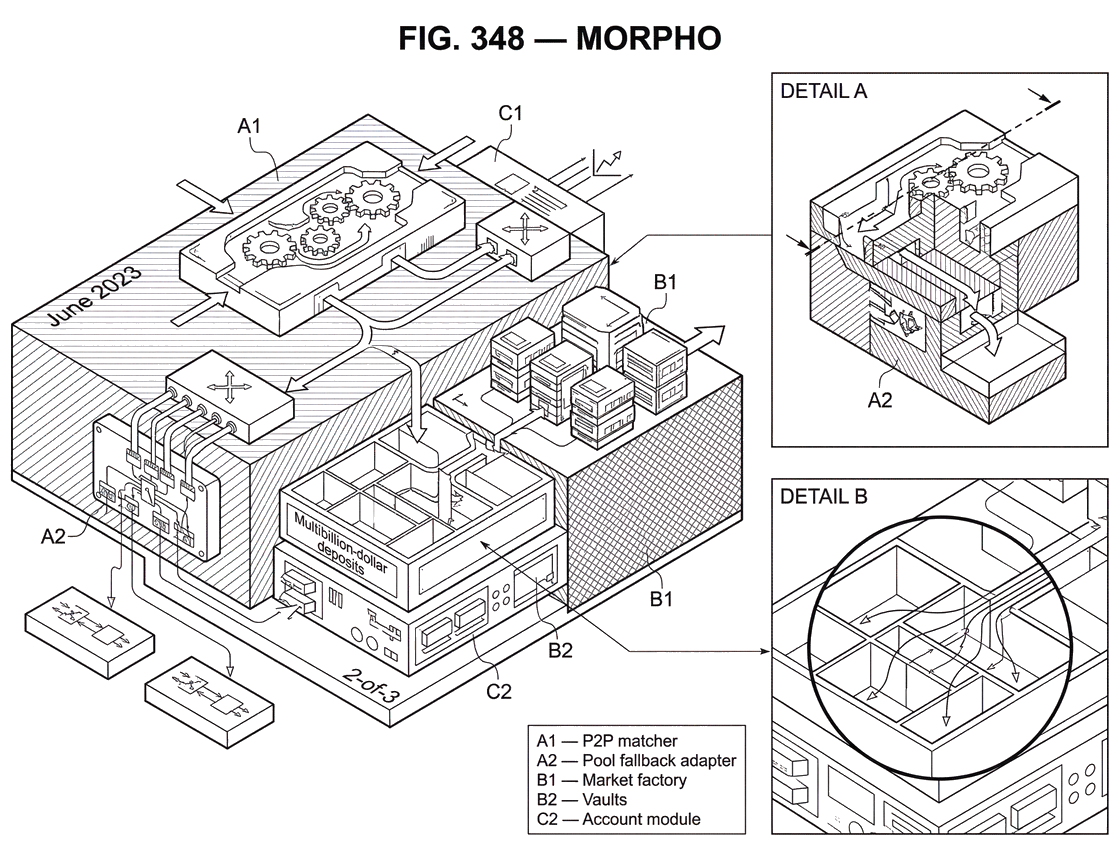
Morpho matters because it tries to fix a basic inefficiency in crypto lending: lenders often earn much less than borrowers pay, even when they are effectively financing each other. It began as a layer that improved rates on top of protocols like Aave and Compound, and has evolved into a more flexible lending base layer with permissionless markets and vaults.
Mar 21, 2026
•
15 min read
#LENDING