Cube
Trade
Pro
Advanced trading interface with professional tools
Swap
Exchange cryptocurrencies instantly
Bundles
Trade multiple tokens in a single transaction
Algos
Create and manage automated trading strategies
Portfolio
Portfolio
View your cryptocurrency holdings and performance
Orders
Track your open and completed orders
Transactions
View your complete transaction history
Rewards
Rewards Dashboard
View your rewards and claim loot boxes
Blocks Leaderboard
See top traders competing for block rewards
Referral Leaderboard
See top referrers and track referral rankings
Investors
Investor Resources
Browse investor resources and documentation
Presentation (pdf)
Download investor presentation
Settings
Profile
Your profile and account verification
Subaccounts
Separate portfolios across subaccounts
Address Book
Manage saved withdrawal addresses
Multi-Factor Authentication
Add a verification step for sensitive account actions
API Keys
Connect applications to your account
Onramp
Link bank account to buy crypto
Account Recovery
Manage account recovery setup
Learn
News
Read the latest news, announcements, and updates from Cube Exchange
What-Is Guides
Learn about cryptocurrencies
FAQ
Frequently asked questions about Cube Exchange
Fees
View our transparent fee schedule and pricing information
Security
Learn more about Cube Exchange security
About
About
Learn more about Cube Exchange
Legal
Legal information, terms of service, privacy policy, and risk disclosures
EN
Select Language
EN
English
ES
Español
ID
Bahasa Indonesia
JA
日本語
PL
Polski
PT
Português
RU
Россия
TH
แบบไทย
TR
Türkçe
UK
Україна
VI
Tiếng Việt
ZH-CN
简体中文
ZH-TW
繁體中文
Light
Dark
System
Sign In
/
Markets
/
Trading
/
Markets: Trading
#DERIVATIVES
#ORDER TYPES
What Is Liquidation?
Liquidation is what happens when a leveraged position runs out of room. The exchange, clearing house, or protocol forcibly reduces or closes the position before losses exceed the collateral meant to support it — and that mechanism is central to how derivatives markets stay solvent.
Mar 21, 2026
•
23 min read
#DERIVATIVES
What Is a Margin Call?
A margin call is one of the few market mechanisms that can turn a paper loss into an immediate demand for cash. It exists because someone has extended you credit, and when the collateral buffer gets too thin, the lender moves to protect itself.
Mar 21, 2026
•
25 min read
#DERIVATIVES
What is Index Price?
An index price is the reference price derivatives exchanges trust when the traded price itself may be noisy, thin, or manipulable. It is built by aggregating outside market data so margin, funding, and liquidation decisions depend on a broader market signal rather than a single venue’s last trade.
Mar 21, 2026
•
25 min read
#DERIVATIVES
What is Isolated Margin?
Isolated margin exists for a simple reason: traders often want leverage without giving one bad position access to their whole collateral pool. By ring-fencing margin at the position or symbol level, isolated margin turns a portfolio-wide risk into a local one — useful, but never risk-free.
Mar 21, 2026
•
24 min read
#DERIVATIVES
What Is Leverage?
Leverage is what makes a small amount of capital control a much larger market position. That is why it is attractive — and why it fails so violently when markets move the wrong way: the same mechanism that magnifies gains also shrinks your margin buffer and brings liquidation closer.
Mar 21, 2026
•
23 min read
#DERIVATIVES
What is Cross Margin?
Cross margin looks safer because it gives a position access to more collateral. That is true — but only in a very specific sense. The same pooling that helps one trade survive can also let one bad trade consume the buffer for everything else in the account.
Mar 21, 2026
•
23 min read
#DERIVATIVES
What Are Funding Rates?
Funding rates are the mechanism that makes perpetual futures behave like spot markets even though they never expire. They look like a small periodic fee, but they are really a market-wide incentive system that transfers cash between longs and shorts to pull perpetual prices back toward the underlying index.
Mar 21, 2026
•
26 min read
#DERIVATIVES
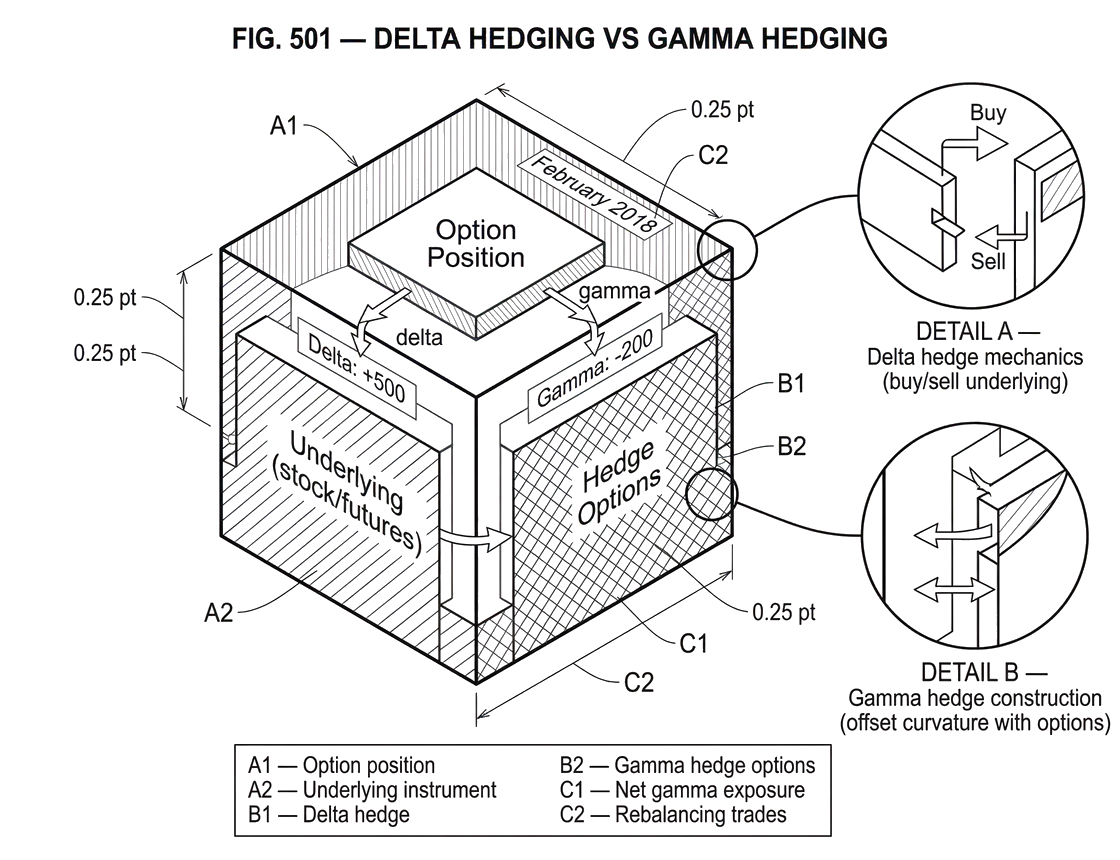
What Is a Delta Neutral Strategy?
A delta-neutral strategy tries to remove price direction from a trade without removing the trade itself. That sounds contradictory until you see the mechanism: combine positions so a small move up or down in the underlying roughly cancels out, leaving exposure to other forces like volatility, time decay, or funding.
Mar 21, 2026
•
22 min read
#DERIVATIVES
What Is Backwardation?
Backwardation matters because the shape of a futures curve changes what it means to hold, hedge, or roll a contract. When nearby futures trade above later ones or above spot relationships imply scarcity, the market is signaling that having the asset sooner is unusually valuable.
Mar 21, 2026
•
21 min read
#DERIVATIVES
What Is Basis?
Basis looks simple: cash price minus futures price. But that small spread is where hedges succeed or fail, where delivery economics show up, and where financing costs, location differences, and market structure become visible.
Mar 21, 2026
•
26 min read
#DERIVATIVES
What is Contango?
Contango looks simple — futures prices above spot prices — but the interesting part is why that gap exists and what it does to traders, hedgers, and investors. Once you see contango as the price of carrying exposure through time, the shape of the curve starts to make mechanical sense.
Mar 21, 2026
•
22 min read
#DERIVATIVES
What Is a Stop Order?
A stop order looks simple: pick a trigger price, and your position should protect itself. The important detail is what happens next — when the stop is hit, the order usually turns into a market order, which means execution is likely, but the price is not promised.
Mar 21, 2026
•
23 min read
#ORDER TYPES
1
2
3
4