Cube
Trade
Pro
Advanced trading interface with professional tools
Swap
Exchange cryptocurrencies instantly
Bundles
Trade multiple tokens in a single transaction
Algos
Create and manage automated trading strategies
Portfolio
Portfolio
View your cryptocurrency holdings and performance
Orders
Track your open and completed orders
Transactions
View your complete transaction history
Rewards
Rewards Dashboard
View your rewards and claim loot boxes
Blocks Leaderboard
See top traders competing for block rewards
Referral Leaderboard
See top referrers and track referral rankings
Investors
Investor Resources
Browse investor resources and documentation
Presentation (pdf)
Download investor presentation
Settings
Profile
Your profile and account verification
Subaccounts
Separate portfolios across subaccounts
Address Book
Manage saved withdrawal addresses
Multi-Factor Authentication
Add a verification step for sensitive account actions
API Keys
Connect applications to your account
Onramp
Link bank account to buy crypto
Account Recovery
Manage account recovery setup
Learn
News
Read the latest news, announcements, and updates from Cube Exchange
What-Is Guides
Learn about cryptocurrencies
FAQ
Frequently asked questions about Cube Exchange
Fees
View our transparent fee schedule and pricing information
Security
Learn more about Cube Exchange security
About
About
Learn more about Cube Exchange
Legal
Legal information, terms of service, privacy policy, and risk disclosures
EN
Select Language
EN
English
ES
Español
ID
Bahasa Indonesia
JA
日本語
PL
Polski
PT
Português
RU
Россия
TH
แบบไทย
TR
Türkçe
UK
Україна
VI
Tiếng Việt
ZH-CN
简体中文
ZH-TW
繁體中文
Light
Dark
System
Sign In
/
Foundations
/
Tokens
/
Foundations: Tokens
#NFT
#STABLECOIN
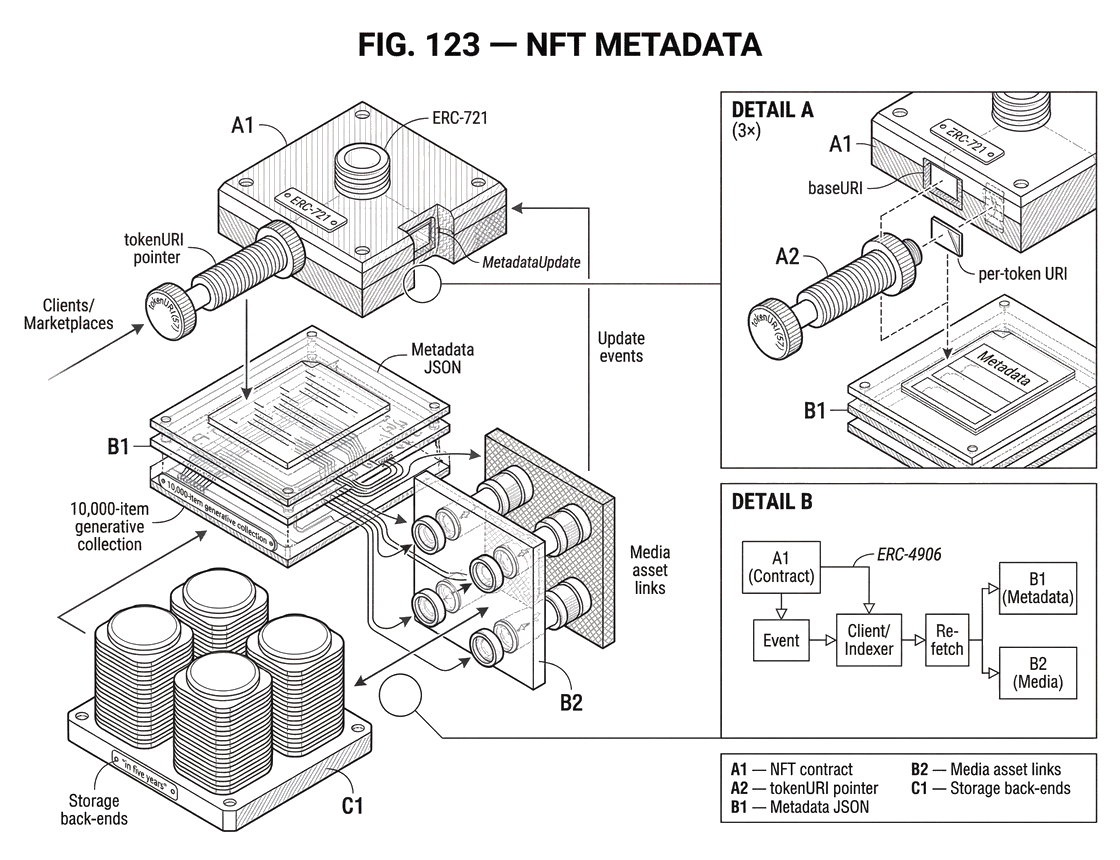
What is NFT Metadata?
NFT metadata is the layer that turns a bare token ID into something a wallet or marketplace can understand: a name, image, traits, media links, and other context. It is also where many of the most important NFT trade-offs live, including mutability, storage durability, and the gap between what is on-chain and what users actually see.
Mar 21, 2026
•
22 min read
#NFT
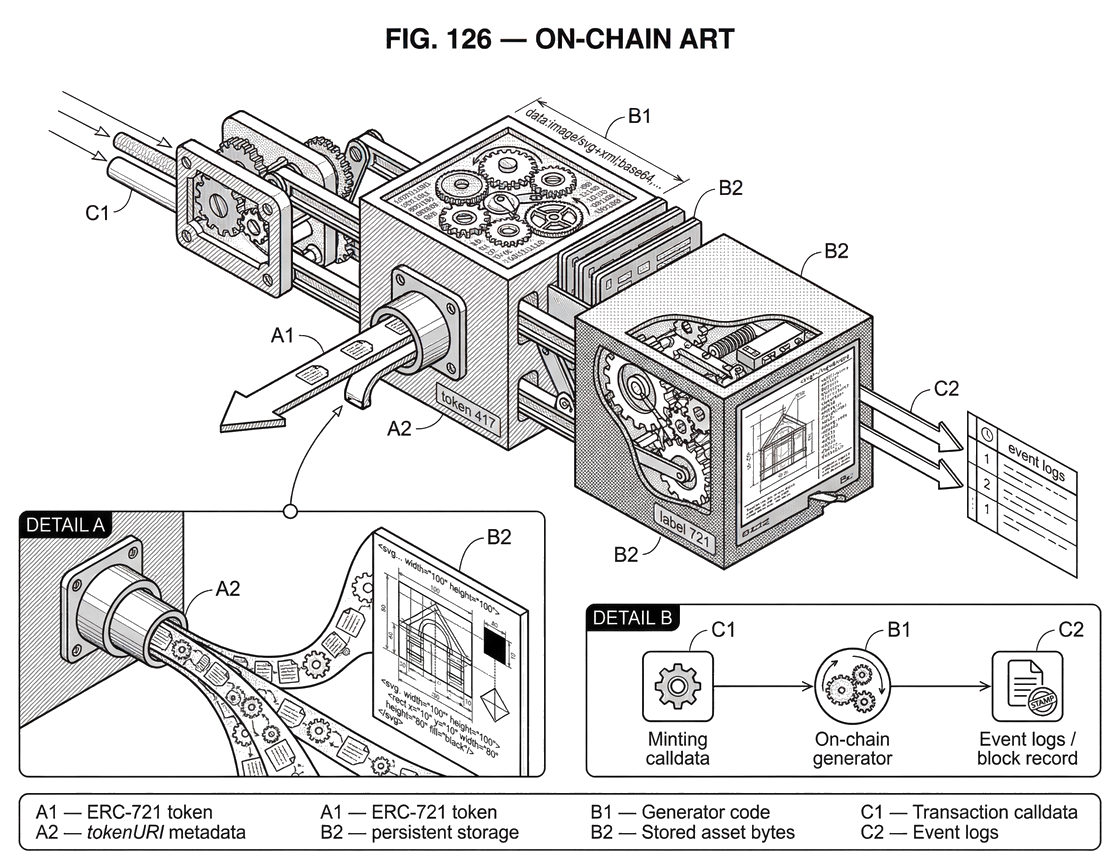
What is On-Chain Art?
On-chain art is unusual because the artwork is not just associated with a token — the work itself, or the code that generates it, lives in blockchain data. That design changes what collectors actually own: less a pointer to media on a server, more a verifiable recipe or artifact that can be reconstructed from the chain itself.
Mar 21, 2026
•
24 min read
#NFT
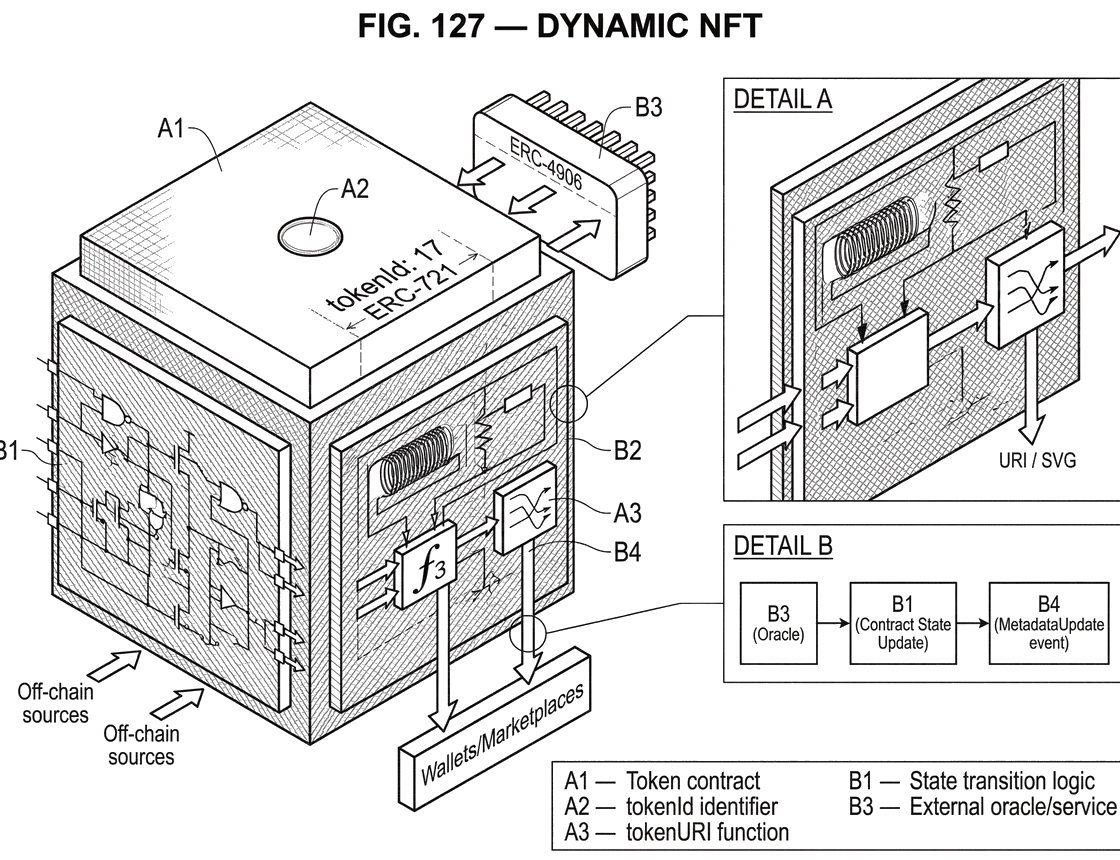
What is a Dynamic NFT?
Dynamic NFTs keep the core idea of an NFT — a stable on-chain identity — while allowing the token’s visible state to change over time. That sounds simple, but it raises deeper questions about where the changing data lives, who controls it, and how wallets and marketplaces know when to refresh it.
Mar 21, 2026
•
23 min read
#NFT
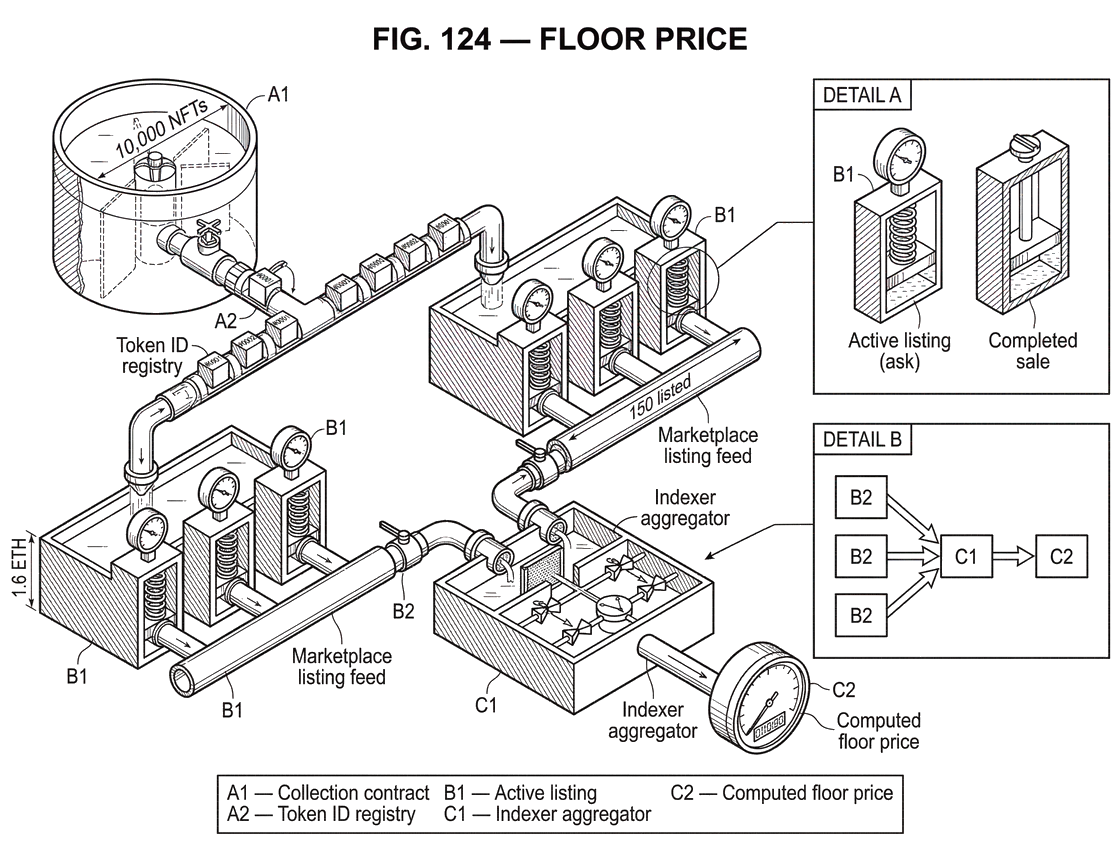
What is Floor Price?
Floor price looks simple: just the cheapest NFT in a collection. But that apparent simplicity hides hard questions about what counts as a collection, which marketplaces to include, how to handle illiquid listings, and when the number is being manipulated rather than discovered.
Mar 21, 2026
•
23 min read
#NFT
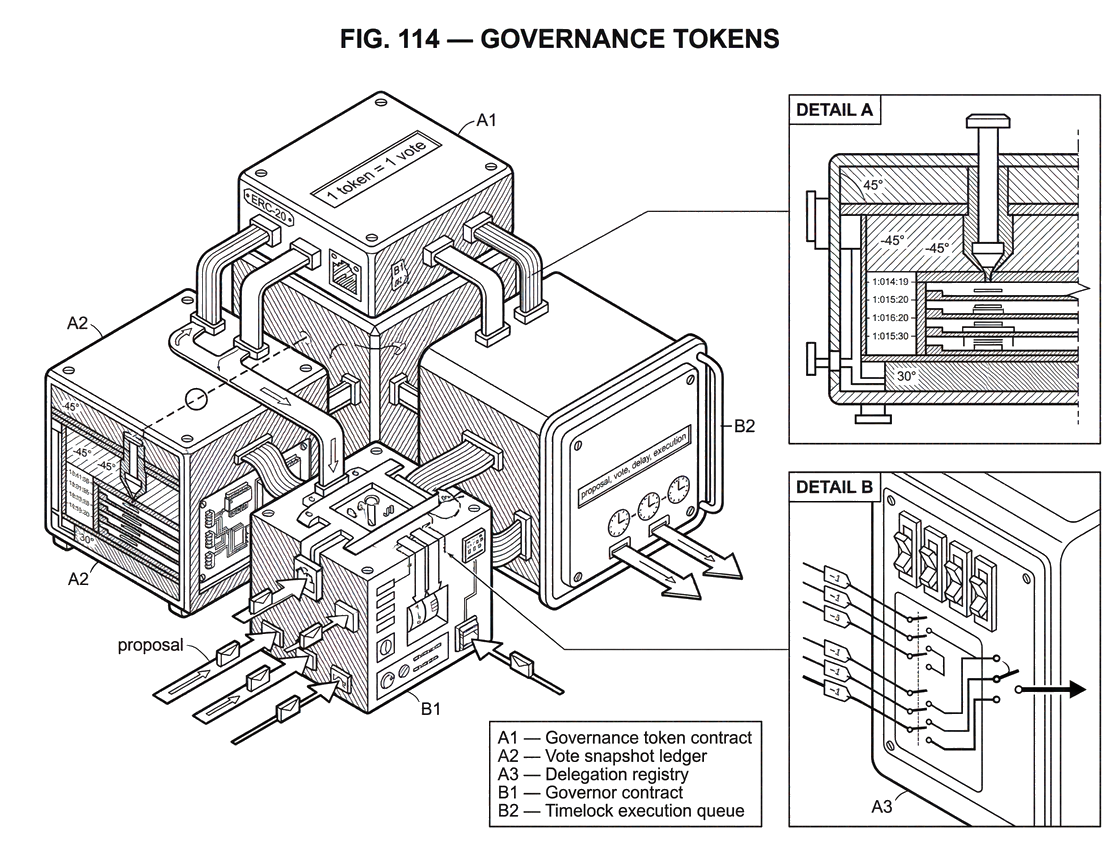
What is a Governance Token?
Governance tokens try to turn protocol users into decision-makers. In practice, that simple idea leads to hard design questions about who gets power, when votes are measured, how proposals execute, and why token-based governance can decentralize a system in some ways while concentrating it in others.
Mar 21, 2026
•
25 min read
#TOKENS
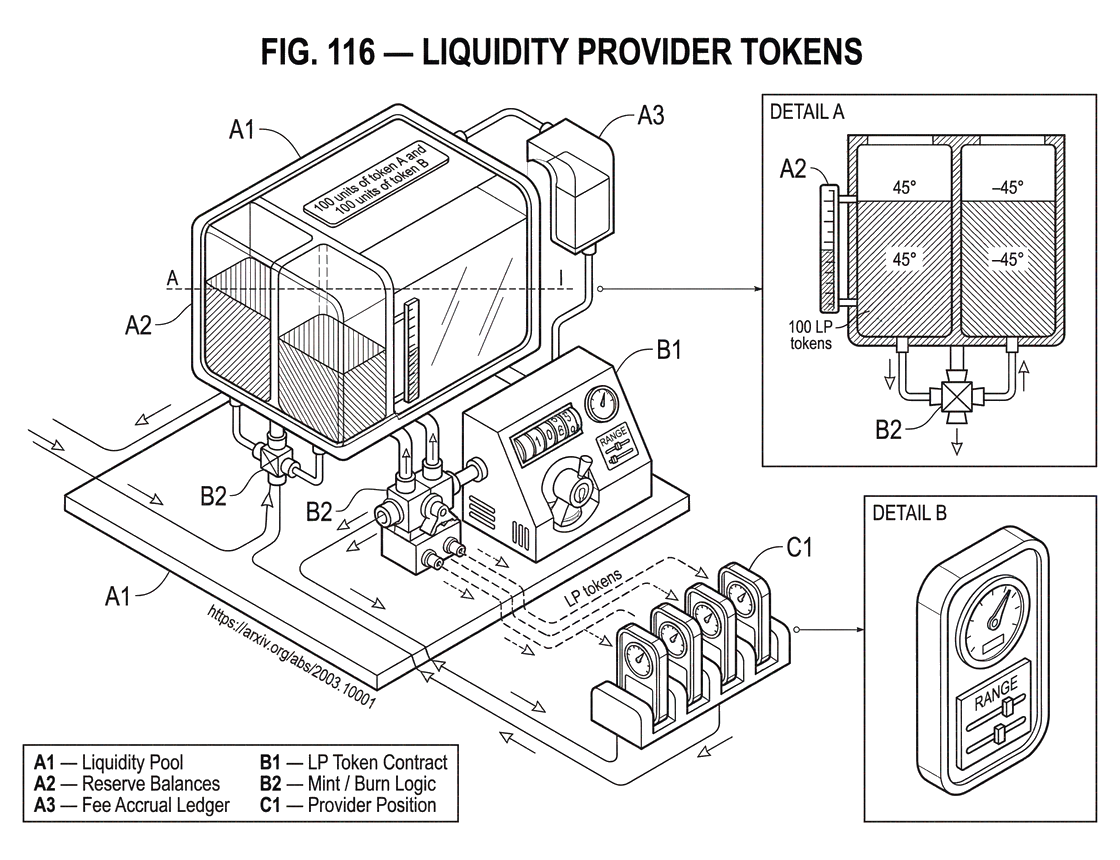
What is a Liquidity Provider Token?
Liquidity provider tokens are the receipts that make pooled liquidity ownable, transferable, and programmable. They seem simple—deposit assets, get shares back—but the details determine how fees accrue, how positions can be reused elsewhere, and why some LP positions are fungible while others are not.
Mar 21, 2026
•
24 min read
#TOKENS
What is a Fan Token?
Fan tokens turn fandom into a tradable digital asset: hold the token, and you may get voting rights, app-based rewards, or access to club experiences. The interesting part is not just the perk list, but the mechanism: a fungible token standard, a platform that decides what counts as a vote, and a market that prices emotion as much as utility.
Mar 21, 2026
•
26 min read
#TOKENS
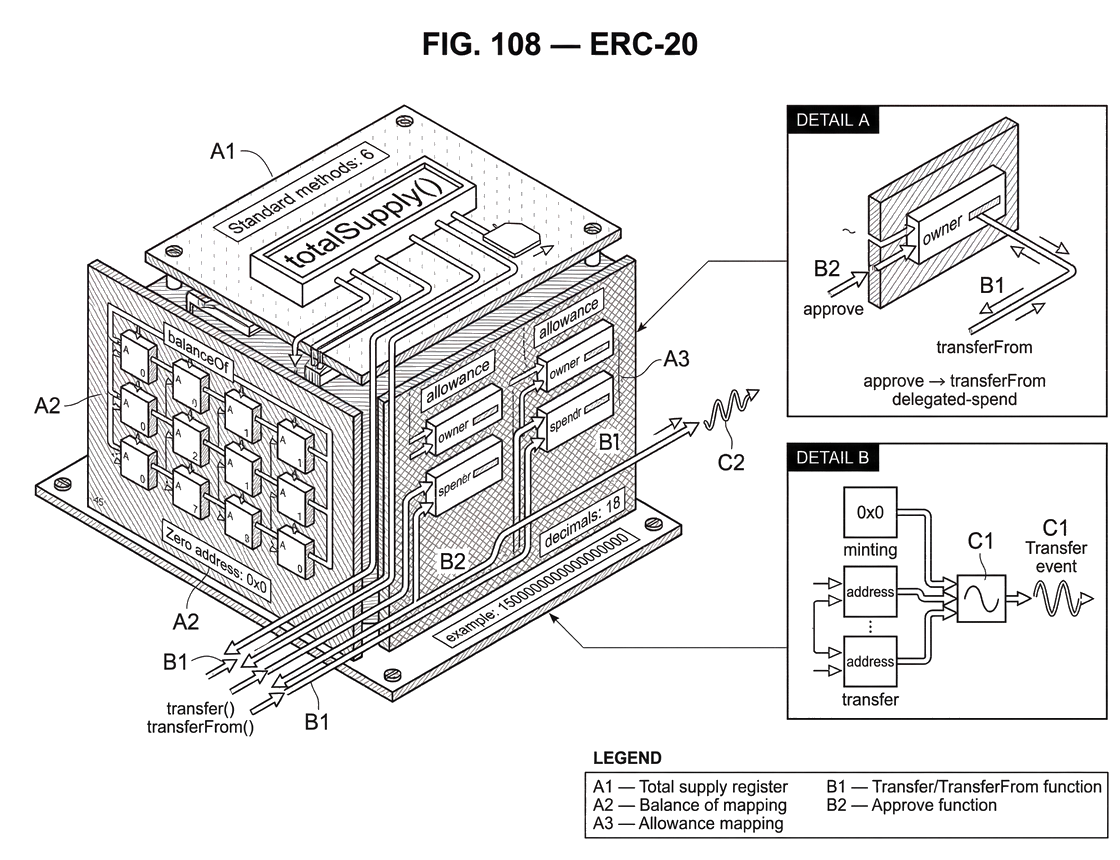
What Is ERC-20? The Fungible Token Standard Explained
ERC-20 matters because it turned “a token” from a custom smart contract into a shared language. Once wallets, exchanges, and apps could all expect the same small interface, fungible tokens became easy to list, transfer, and build on — along with some design tradeoffs that still shape crypto today.
Mar 21, 2026
•
23 min read
#TOKENS
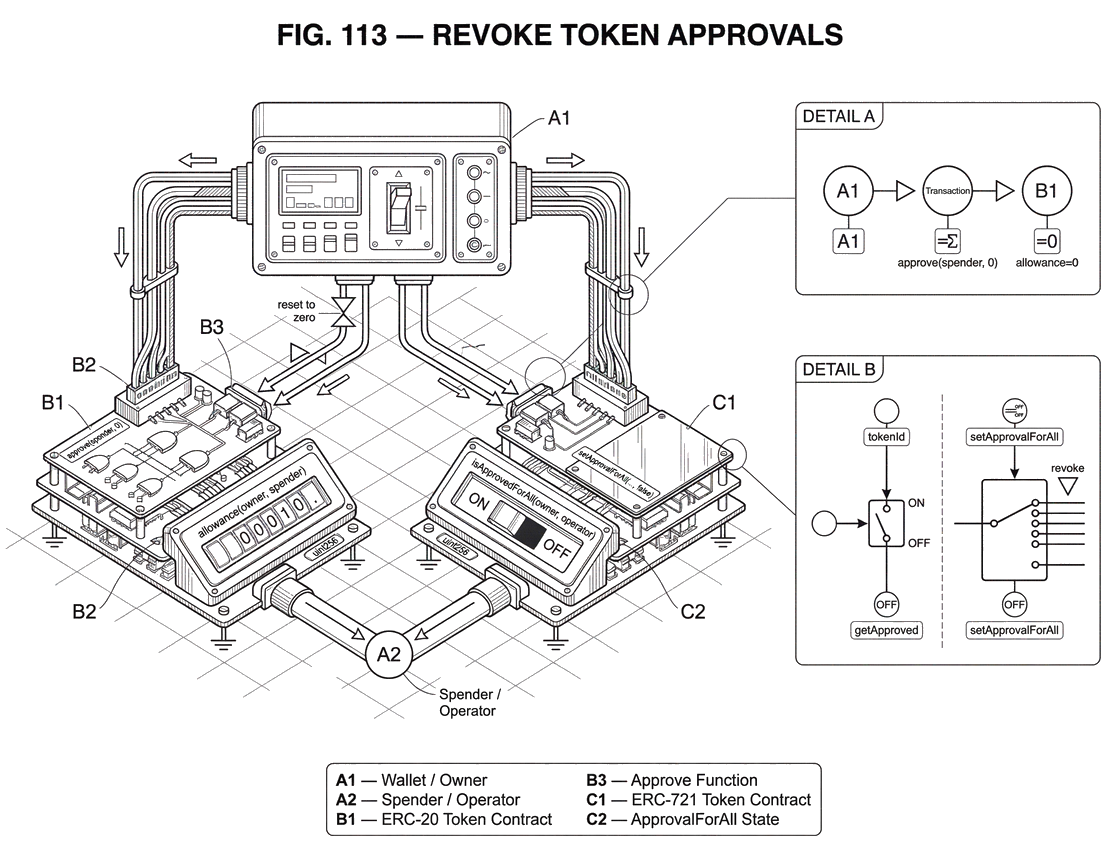
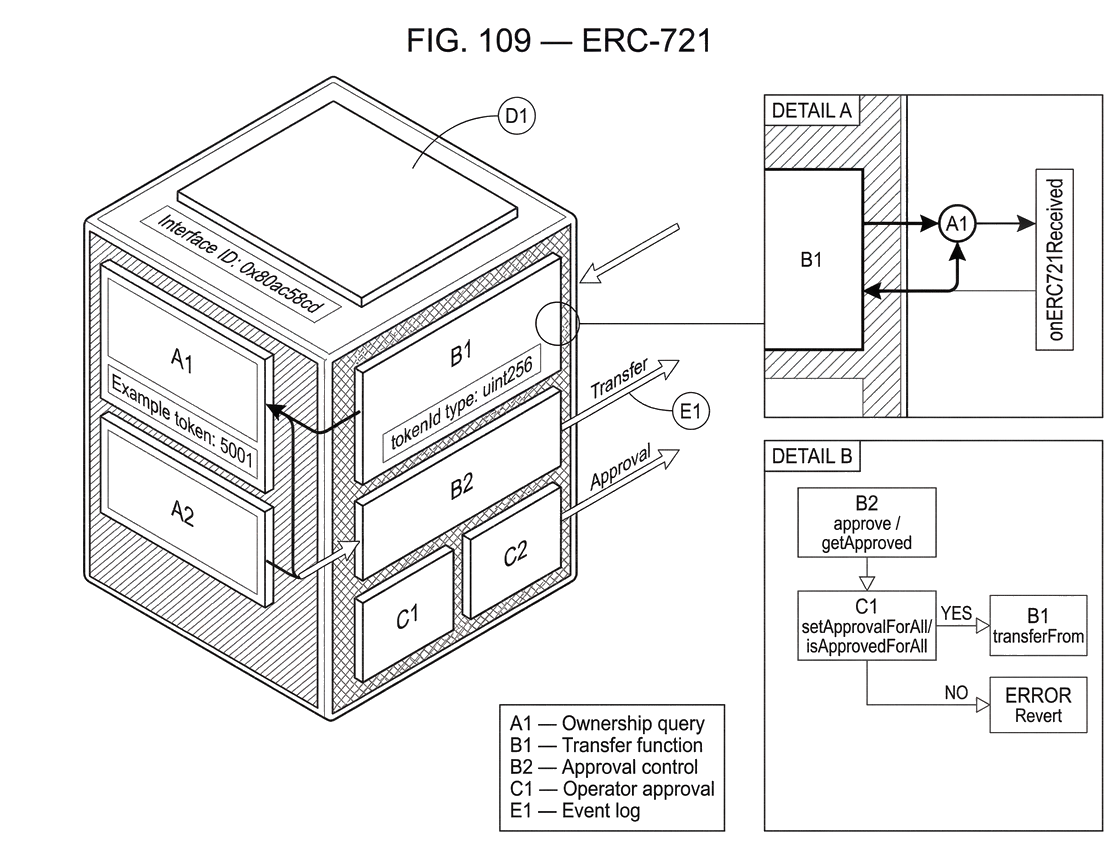
What Is ERC-721?
ERC-721 is the standard that made NFTs interoperable. It gives unique tokens a common language for ownership, transfer, approvals, and metadata, so wallets and marketplaces can recognize them without custom integration for every project.
Mar 21, 2026
•
26 min read
#TOKENS
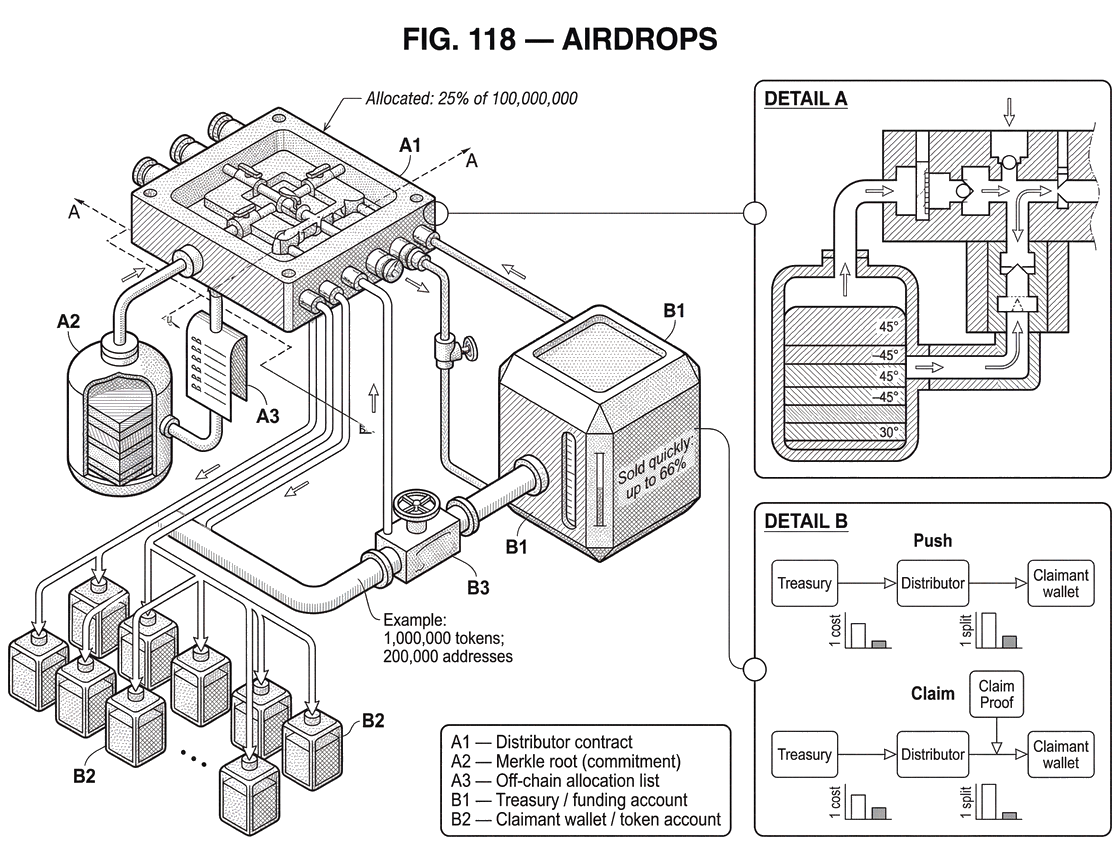
What is an Airdrop?
Airdrops look simple: give tokens away and users arrive. In practice, they are a distribution mechanism with hard design tradeoffs around cost, eligibility, incentives, and security — and the details of the token standard and chain matter more than most people expect.
Mar 21, 2026
•
25 min read
#TOKENS
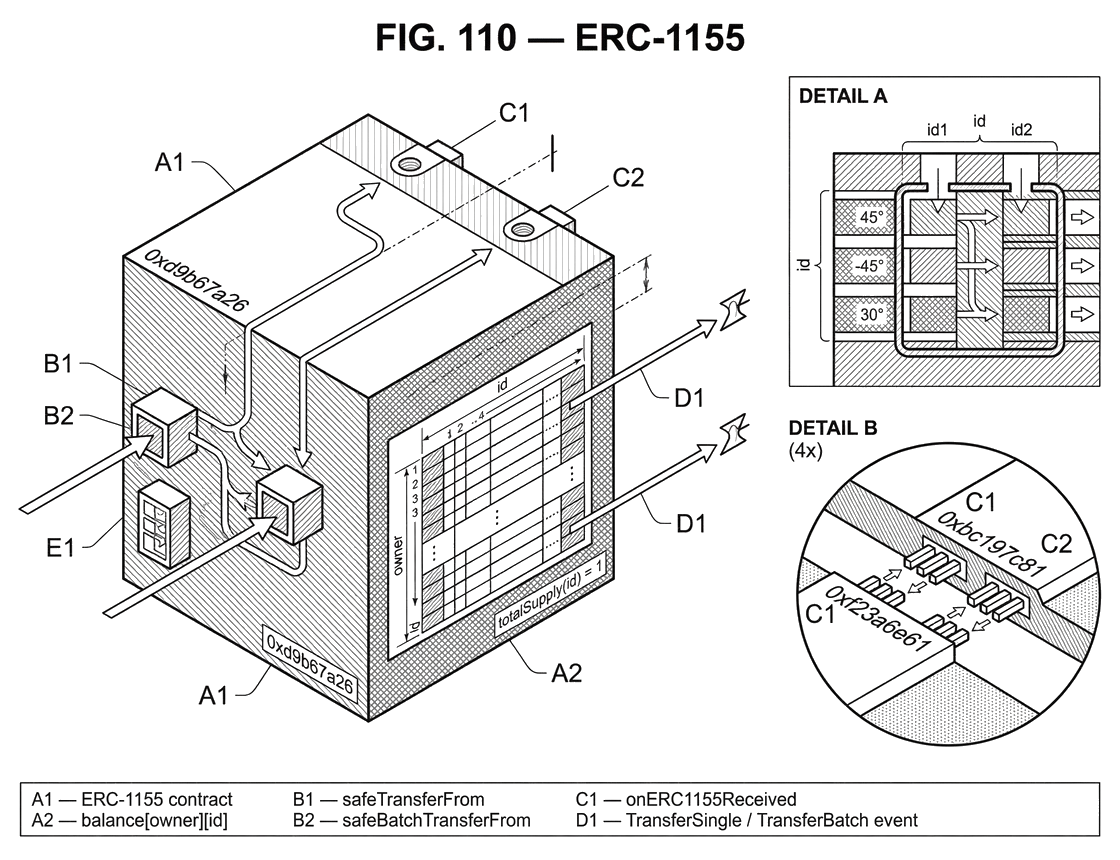
What is ERC-1155?
ERC-1155 matters because it changes the unit of token design. Instead of deploying one contract per asset class, it lets a single contract manage many token IDs at once — fungible, non-fungible, and in-between — which makes batch transfers, shared logic, and game-style asset systems much cheaper and cleaner.
Mar 21, 2026
•
23 min read
#TOKENS
What is Tokenomics?
Tokenomics is the design of a token’s economic rules: who gets it, what it does, how supply changes, and why anyone should hold or use it. Good tokenomics is not decoration on top of a blockchain project; it is the mechanism that shapes behavior, security, liquidity, and long-term viability.
Mar 21, 2026
•
26 min read
#TOKENS
1
2
3