Cube
Trade
Pro
Advanced trading interface with professional tools
Swap
Exchange cryptocurrencies instantly
Bundles
Trade multiple tokens in a single transaction
Algos
Create and manage automated trading strategies
Portfolio
Portfolio
View your cryptocurrency holdings and performance
Orders
Track your open and completed orders
Transactions
View your complete transaction history
Rewards
Rewards Dashboard
View your rewards and claim loot boxes
Blocks Leaderboard
See top traders competing for block rewards
Referral Leaderboard
See top referrers and track referral rankings
Investors
Investor Resources
Browse investor resources and documentation
Presentation (pdf)
Download investor presentation
Settings
Profile
Your profile and account verification
Subaccounts
Separate portfolios across subaccounts
Address Book
Manage saved withdrawal addresses
Multi-Factor Authentication
Add a verification step for sensitive account actions
API Keys
Connect applications to your account
Onramp
Link bank account to buy crypto
Account Recovery
Manage account recovery setup
Learn
News
Read the latest news, announcements, and updates from Cube Exchange
What-Is Guides
Learn about cryptocurrencies
FAQ
Frequently asked questions about Cube Exchange
Fees
View our transparent fee schedule and pricing information
Security
Learn more about Cube Exchange security
About
About
Learn more about Cube Exchange
Legal
Legal information, terms of service, privacy policy, and risk disclosures
EN
Select Language
EN
English
ES
Español
ID
Bahasa Indonesia
JA
日本語
PL
Polski
PT
Português
RU
Россия
TH
แบบไทย
TR
Türkçe
UK
Україна
VI
Tiếng Việt
ZH-CN
简体中文
ZH-TW
繁體中文
Light
Dark
System
Sign In
/
Protocols
/
Networks
/
Protocols: Networks
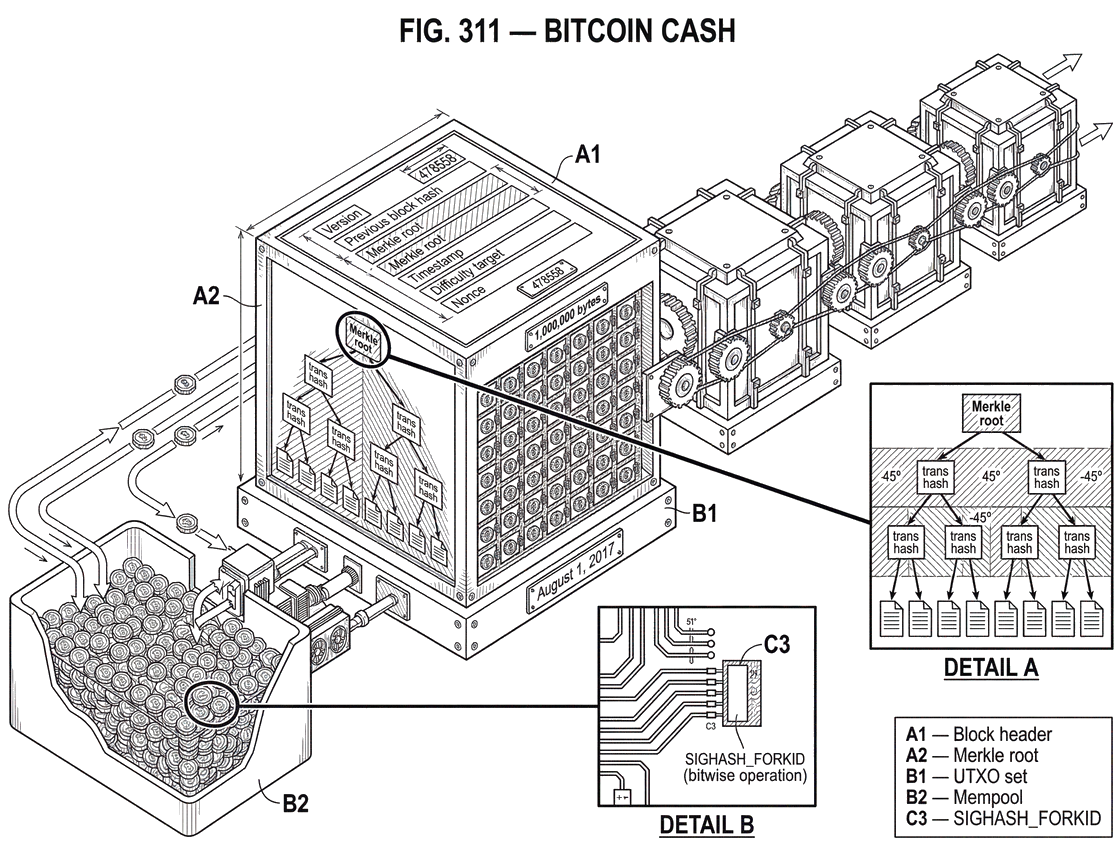
What is Bitcoin Cash?
Bitcoin Cash matters because it makes a very specific bet about cryptocurrency: that a blockchain should work as everyday cash, with fast settlement, simple transfers, and fees low enough to ignore. To understand Bitcoin Cash, the key is not just that it forked from Bitcoin, but why it chose different tradeoffs around scaling and payments.
Mar 21, 2026
•
22 min read
#NETWORKS
What Is Aptos?
Aptos is a Layer 1 blockchain built around a simple bet: blockchains feel slow and fragile partly because too much work is forced through one narrow path. Its design combines the Move language, parallel execution, and a pipelined validator architecture to make execution safer and the network more responsive.
Mar 21, 2026
•
25 min read
#NETWORKS
What is Algorand?
Algorand is a blockchain built around a specific bet: you can get fast finality and low computation without giving up open participation. Its design combines stake-weighted selection, private randomness, and Byzantine agreement so blocks are confirmed quickly and, with overwhelming probability, do not fork.
Mar 21, 2026
•
23 min read
#NETWORKS
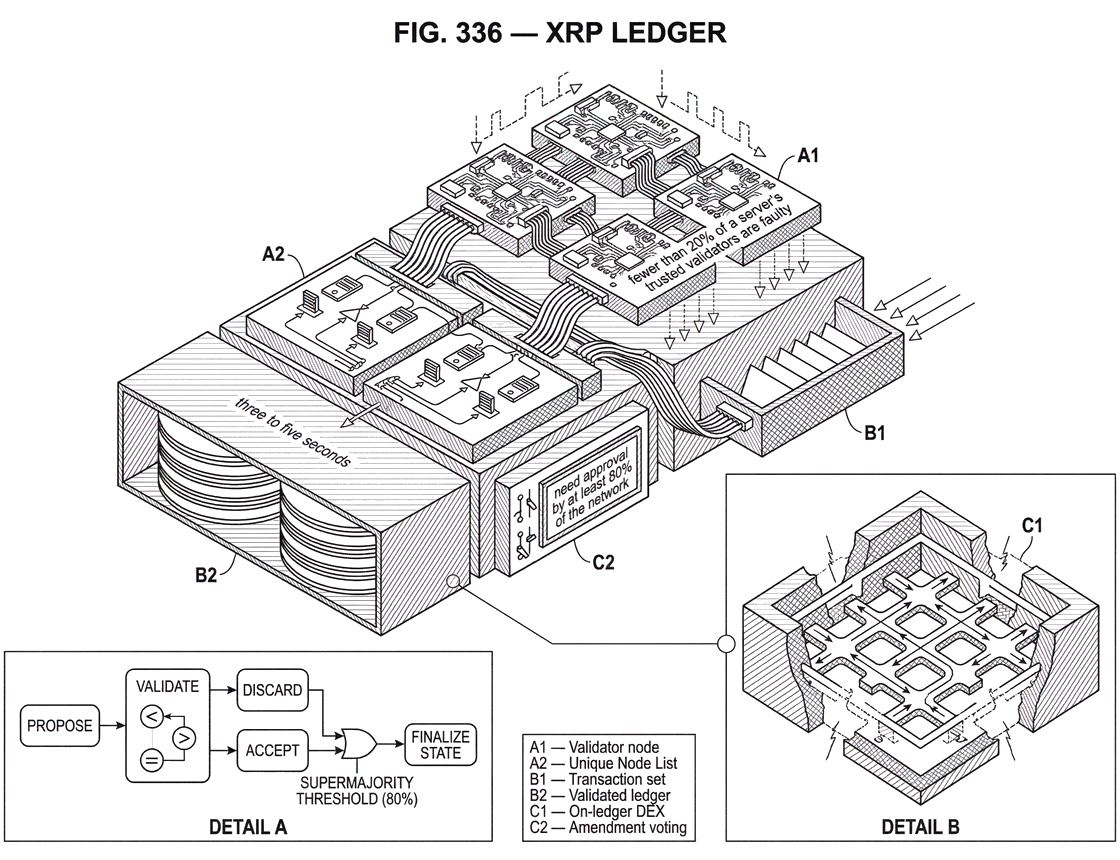
What is XRP Ledger?
The XRP Ledger is unusual among public blockchains because it was built first as a fast shared ledger for payments, issued assets, and exchange — not as a general-purpose computer. That design choice explains nearly everything else: its validator model, its low fees, its built-in DEX, and the tradeoffs around trust and governance.
Mar 21, 2026
•
24 min read
#NETWORKS
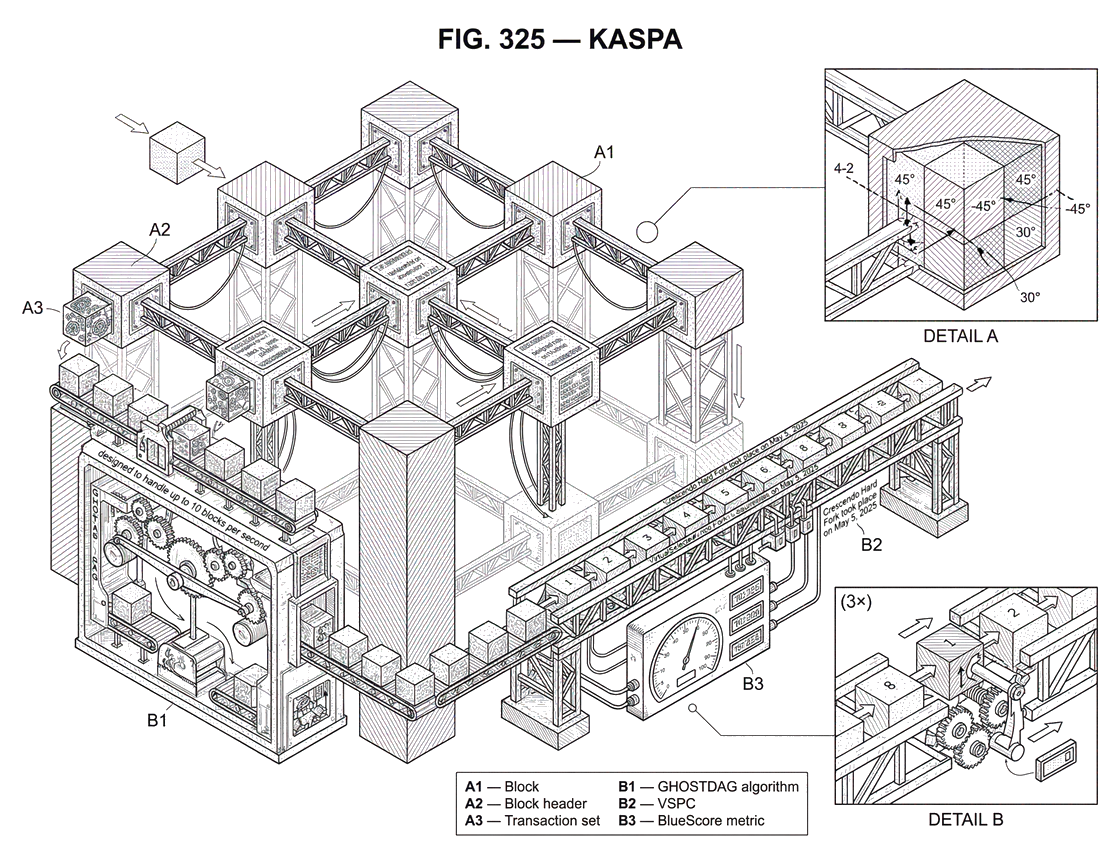
What is Kaspa?
Kaspa is a proof-of-work network built around a simple but unusual idea: instead of forcing miners to compete to extend a single chain, let many blocks exist in parallel and then order them in consensus. That design is what gives Kaspa its fast confirmations and high block rate without abandoning the basic security logic of Nakamoto-style PoW.
Mar 21, 2026
•
23 min read
#NETWORKS
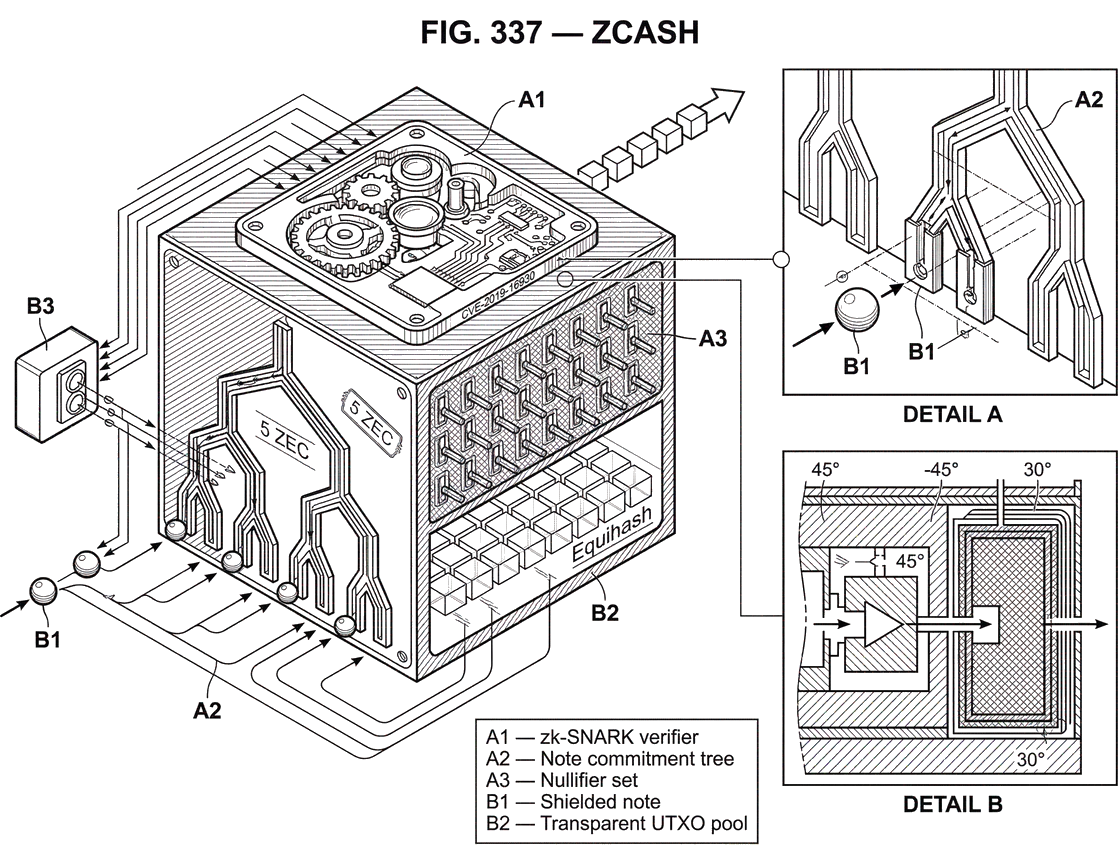
What is Zcash?
Zcash is a cryptocurrency built around a hard problem: how do you let a public blockchain verify payments without exposing who paid whom or how much? Its answer is the shielded transaction, where zero-knowledge proofs preserve the ledger’s integrity while hiding the transaction’s sensitive details.
Mar 21, 2026
•
24 min read
#NETWORKS
1
2
3