Cube
Trade
Pro
Advanced trading interface with professional tools
Swap
Exchange cryptocurrencies instantly
Bundles
Trade multiple tokens in a single transaction
Algos
Create and manage automated trading strategies
Portfolio
Portfolio
View your cryptocurrency holdings and performance
Orders
Track your open and completed orders
Transactions
View your complete transaction history
Rewards
Rewards Dashboard
View your rewards and claim loot boxes
Blocks Leaderboard
See top traders competing for block rewards
Referral Leaderboard
See top referrers and track referral rankings
Investors
Investor Resources
Browse investor resources and documentation
Presentation (pdf)
Download investor presentation
Settings
Profile
Your profile and account verification
Subaccounts
Separate portfolios across subaccounts
Address Book
Manage saved withdrawal addresses
Multi-Factor Authentication
Add a verification step for sensitive account actions
API Keys
Connect applications to your account
Onramp
Link bank account to buy crypto
Account Recovery
Manage account recovery setup
Learn
News
Read the latest news, announcements, and updates from Cube Exchange
What-Is Guides
Learn about cryptocurrencies
FAQ
Frequently asked questions about Cube Exchange
Fees
View our transparent fee schedule and pricing information
Security
Learn more about Cube Exchange security
About
About
Learn more about Cube Exchange
Legal
Legal information, terms of service, privacy policy, and risk disclosures
EN
Select Language
EN
English
ES
Español
ID
Bahasa Indonesia
JA
日本語
PL
Polski
PT
Português
RU
Россия
TH
แบบไทย
TR
Türkçe
UK
Україна
VI
Tiếng Việt
ZH-CN
简体中文
ZH-TW
繁體中文
Light
Dark
System
Sign In
/
Markets
/
Market Structure
/
Markets: Market Structure
What is a Dutch Auction?
A Dutch auction solves a specific market problem: how to find a price quickly when waiting for many rounds of bidding is too slow or too costly. Its simple rule—start high, lower the price until demand appears—makes it powerful, but the details of information, timing, and bidder psychology matter more than the simple rule suggests.
Mar 21, 2026
•
26 min read
#MARKET STRUCTURE
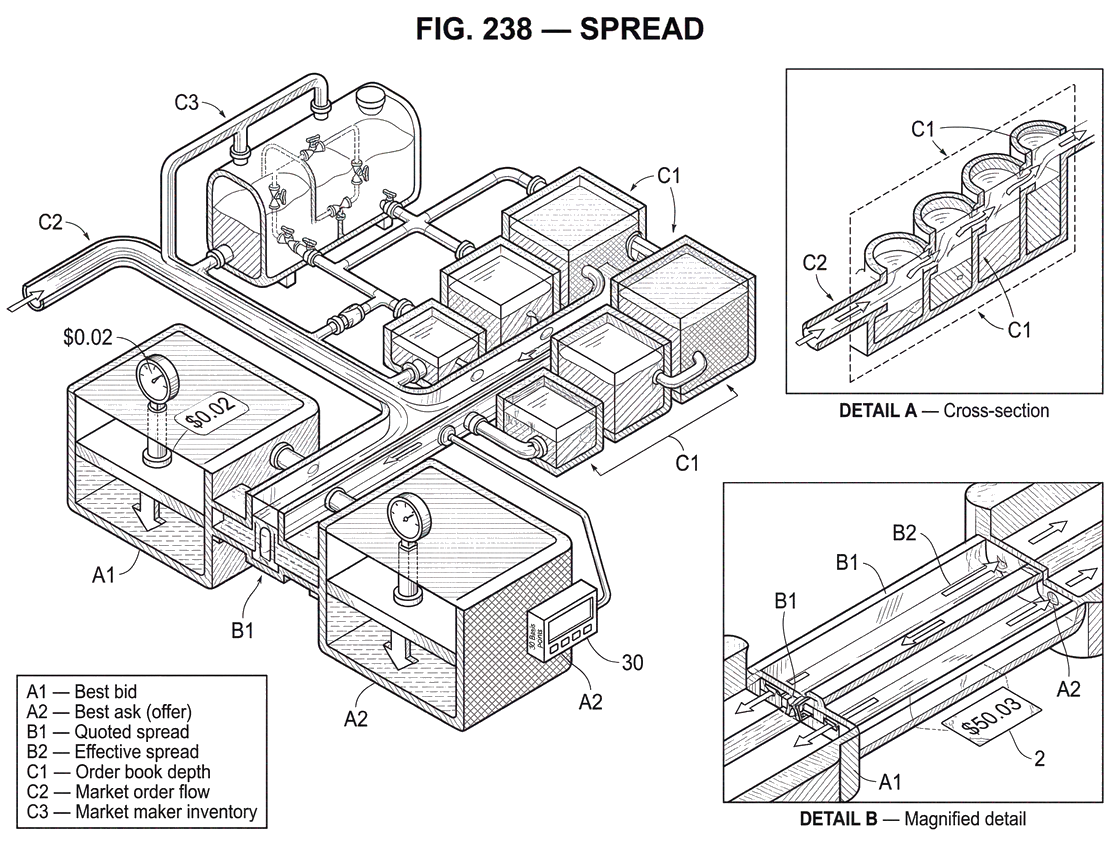
What Is Bid and Ask?
Every quoted market shows two prices, not one. The bid and the ask are the basic mechanism that turns scattered buyer and seller intentions into a tradable market price — and the gap between them quietly determines cost, liquidity, and execution quality.
Mar 21, 2026
•
23 min read
#MARKET STRUCTURE
What is Best Bid and Offer (BBO)?
The best bid and offer is the market’s simplest live summary: the highest displayed buy price and the lowest displayed sell price. That sounds straightforward, but in modern fragmented markets, deciding which quotes count, which are protected, and how they are consolidated is where the real structure appears.
Mar 21, 2026
•
25 min read
#MARKET STRUCTURE
What is OTC Trading?
OTC trading matters because many of the world’s biggest trades do not happen on a public order book at all. Instead, they happen through private negotiation, where the central problem is not just finding a price, but finding a willing counterparty without moving the market against yourself.
Mar 21, 2026
•
25 min read
#MARKET STRUCTURE
What Is Arbitrage?
Arbitrage matters because markets are usually fragmented, while value is not. When the same asset, cash flow, or economic exposure trades at different prices, arbitrage is the mechanism that pushes those prices back together — and reveals where real-world frictions still matter.
Mar 21, 2026
•
27 min read
#MARKET STRUCTURE
1
2