Cube
Trade
Pro
Advanced trading interface with professional tools
Swap
Exchange cryptocurrencies instantly
Bundles
Trade multiple tokens in a single transaction
Algos
Create and manage automated trading strategies
Portfolio
Portfolio
View your cryptocurrency holdings and performance
Orders
Track your open and completed orders
Transactions
View your complete transaction history
Rewards
Rewards Dashboard
View your rewards and claim loot boxes
Blocks Leaderboard
See top traders competing for block rewards
Referral Leaderboard
See top referrers and track referral rankings
Investors
Investor Resources
Browse investor resources and documentation
Presentation (pdf)
Download investor presentation
Settings
Profile
Your profile and account verification
Subaccounts
Separate portfolios across subaccounts
Address Book
Manage saved withdrawal addresses
Multi-Factor Authentication
Add a verification step for sensitive account actions
API Keys
Connect applications to your account
Onramp
Link bank account to buy crypto
Account Recovery
Manage account recovery setup
Learn
News
Read the latest news, announcements, and updates from Cube Exchange
What-Is Guides
Learn about cryptocurrencies
FAQ
Frequently asked questions about Cube Exchange
Fees
View our transparent fee schedule and pricing information
Security
Learn more about Cube Exchange security
About
About
Learn more about Cube Exchange
Legal
Legal information, terms of service, privacy policy, and risk disclosures
EN
Select Language
EN
English
ES
Español
ID
Bahasa Indonesia
JA
日本語
PL
Polski
PT
Português
RU
Россия
TH
แบบไทย
TR
Türkçe
UK
Україна
VI
Tiếng Việt
ZH-CN
简体中文
ZH-TW
繁體中文
Light
Dark
System
Sign In
/
Institutional
/
Market Infrastructure
/
Institutional: Market Infrastructure
What Is Stablecoin Regulation?
Stablecoin regulation matters because a token that promises cash-like stability can fail in ways that look less like software bugs and more like a bank run, a custody failure, or a broken payment system. The hard part is that stablecoins sit between payments, banking, securities, and market infrastructure, so regulation has to follow the function the token actually performs.
Mar 22, 2026
•
22 min read
#MARKET INFRASTRUCTURE
What Is a Transfer Agent?
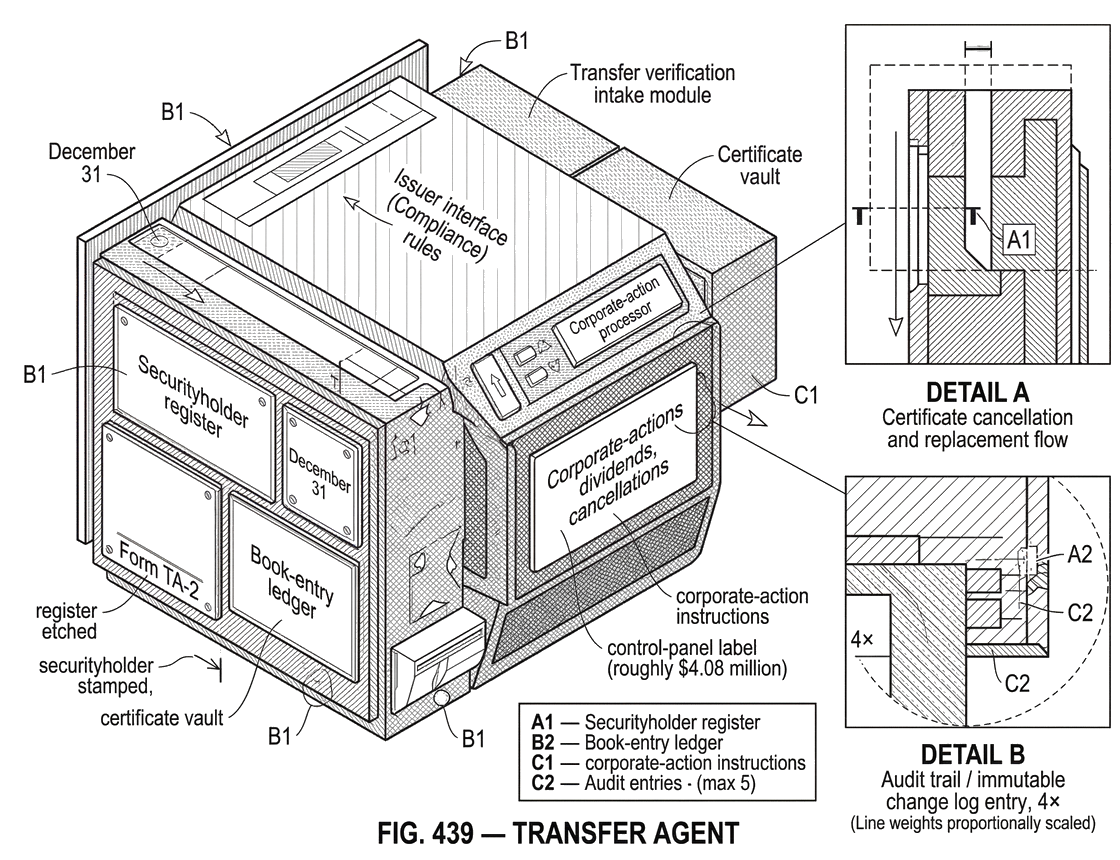
A transfer agent is the part of securities infrastructure that keeps the issuer’s ownership ledger usable in the real world. When shares change hands, dividends are paid, certificates are canceled, or investors hold stock directly on the issuer’s books, the transfer agent is the recordkeeper that makes those changes legally and operationally coherent.
Mar 22, 2026
•
23 min read
#MARKET INFRASTRUCTURE
What Is a Futures Commission Merchant (FCM)?
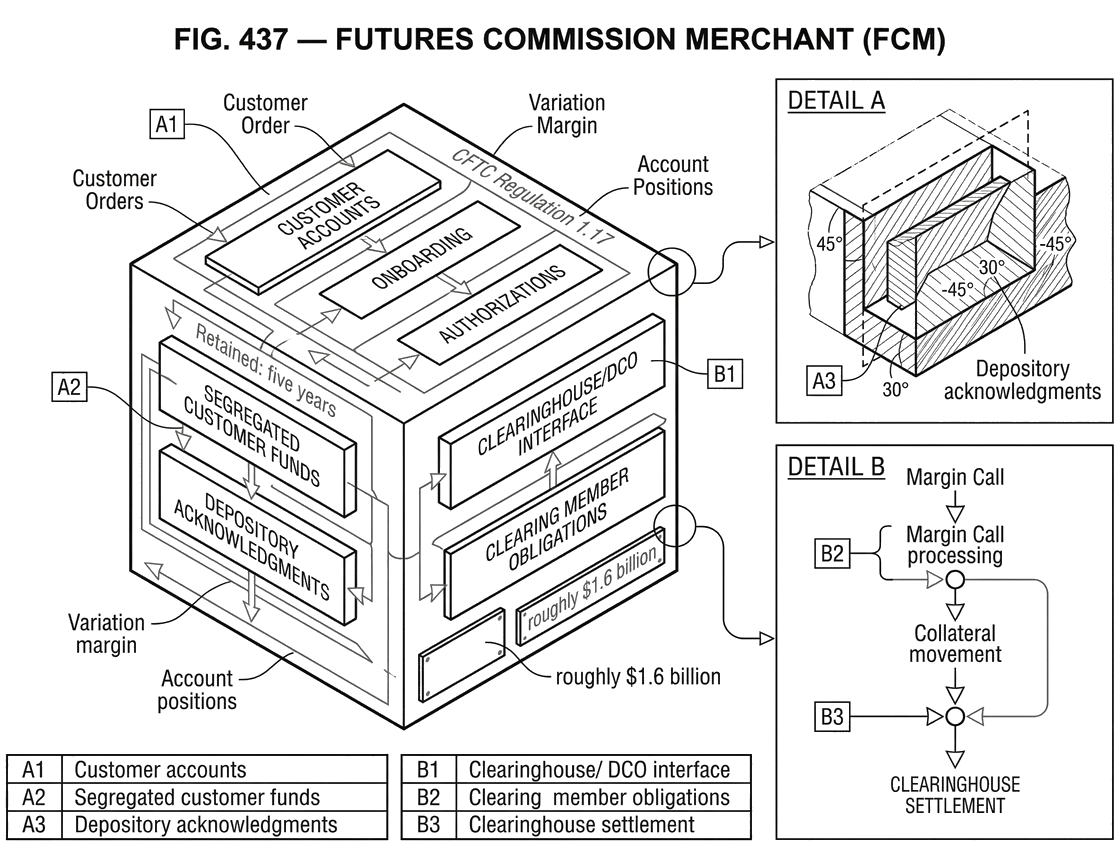
A futures market looks anonymous on the screen, but someone has to stand between the customer, the clearinghouse, and the daily movement of margin. That intermediary is the Futures Commission Merchant, or FCM — a firm whose basic job is simple to say and unusually demanding to do safely.
Mar 22, 2026
•
22 min read
#MARKET INFRASTRUCTURE
What is a Derivatives Clearing Organization (DCO)?
A derivatives clearing organization sits at the center of a cleared derivatives market and makes a fragile promise reliable: if one side of a trade fails, the contract should still perform. It does that by becoming the counterparty to both sides, collecting margin, mutualizing losses, and running a tightly governed default process.
Mar 22, 2026
•
24 min read
#MARKET INFRASTRUCTURE
What Are Crypto Collateral Haircuts?
A crypto collateral haircut is the discount applied to a posted asset before counting it toward margin or secured exposure. The idea sounds simple, but in crypto it carries much more weight: volatility, liquidity gaps, operational fragility, and legal uncertainty can all make a token worth less in a real liquidation than its screen price suggests.
Mar 22, 2026
•
20 min read
#MARKET INFRASTRUCTURE
What is a Qualified Custodian?
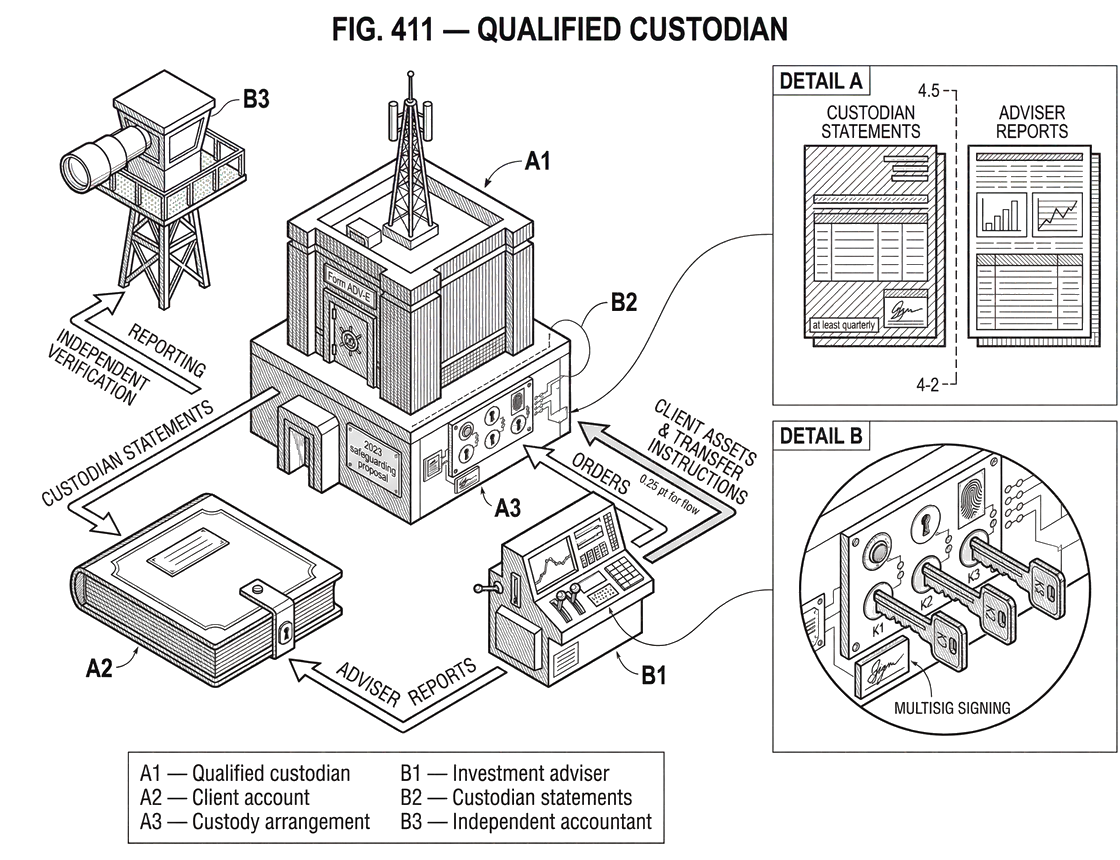
A qualified custodian exists to solve a simple but consequential problem: if an investment adviser can move client assets, clients need a safeguard outside the adviser’s own promises and books. The term sounds narrow, but it sits at the center of how institutional assets are segregated, reported, and independently checked in both traditional markets and crypto.
Mar 21, 2026
•
28 min read
#MARKET INFRASTRUCTURE
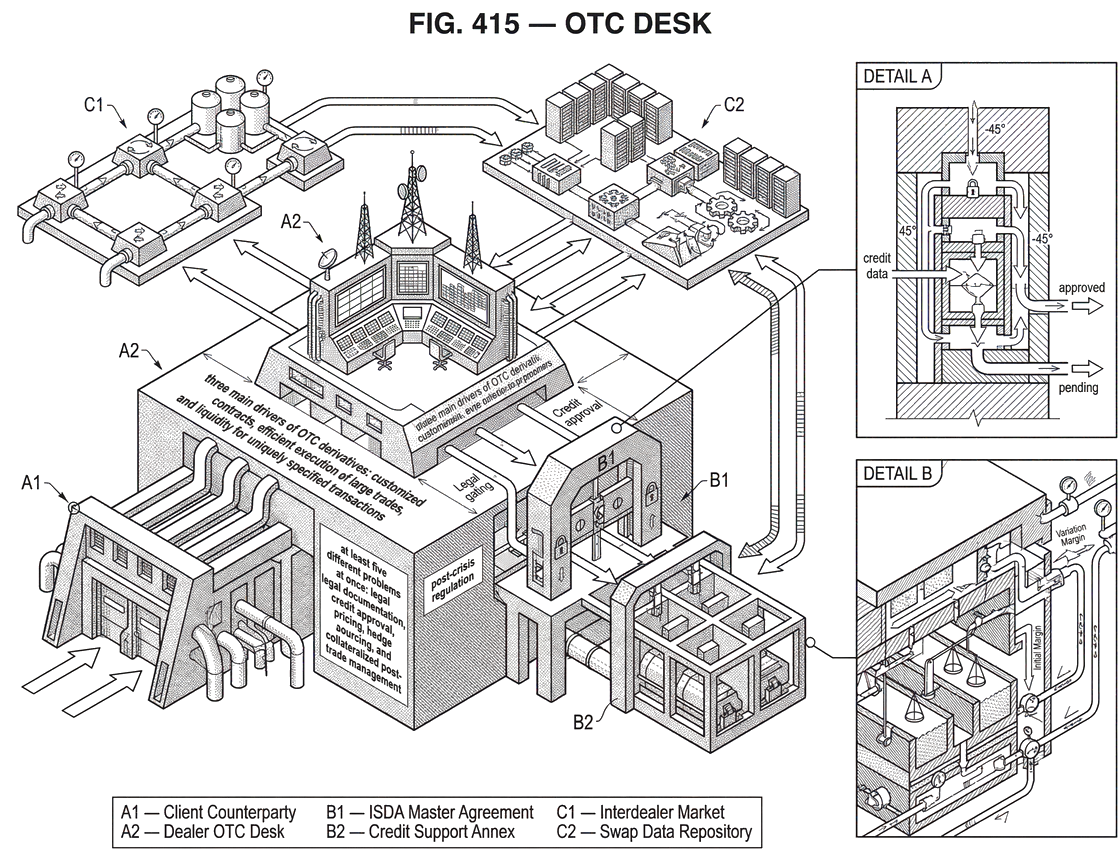
What is an OTC Desk?
An OTC desk exists because many institutional trades do not fit neatly onto an exchange order book. When a client needs size, discretion, custom terms, or bilateral credit, the desk becomes the market’s human and operational layer — quoting risk, arranging documentation, sourcing liquidity, and carrying the trade through settlement and reporting.
Mar 21, 2026
•
24 min read
#MARKET INFRASTRUCTURE
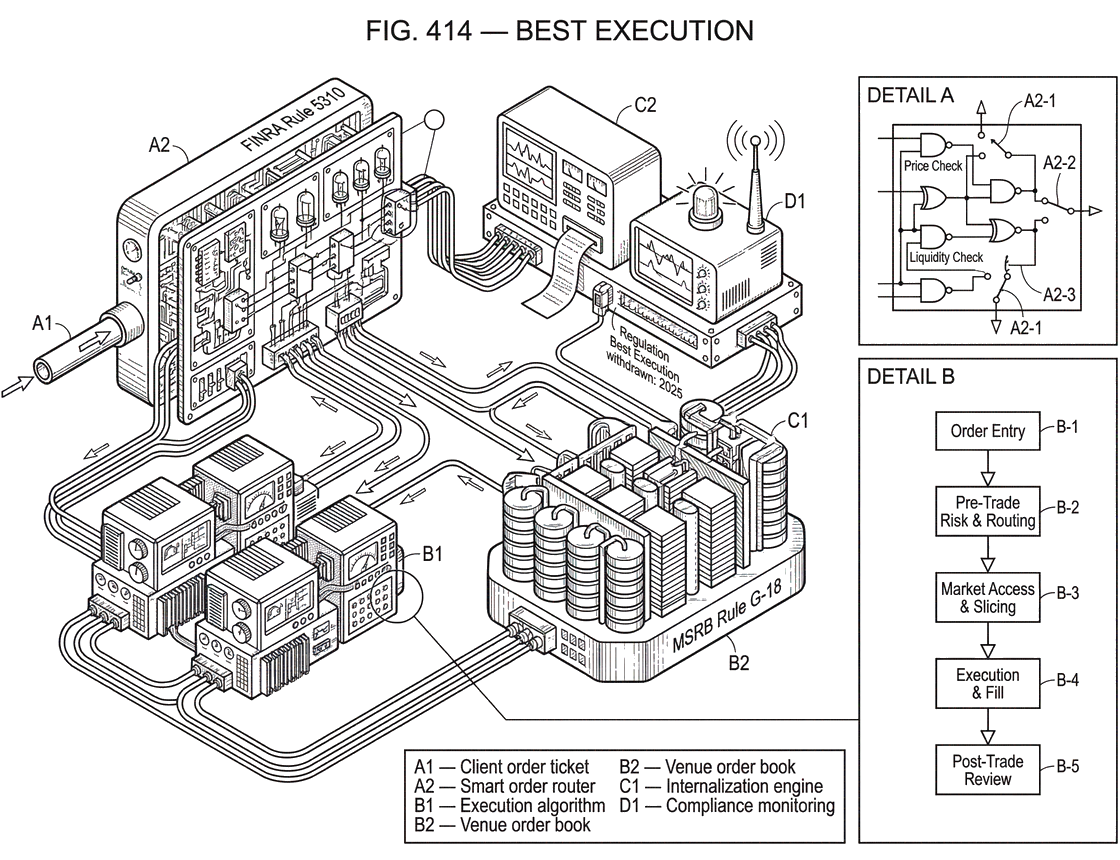
What is Best Execution?
Best execution sounds simple: get the best price. In practice, it is a harder problem about finding the best available result across fragmented markets, uncertain liquidity, competing venues, and conflicts of interest — while proving your process was genuinely designed to serve the client.
Mar 21, 2026
•
23 min read
#MARKET INFRASTRUCTURE
What Is an Execution Venue?
An execution venue is the place, system, or liquidity source where an order actually meets a counterparty. That sounds simple, but venue choice shapes price, speed, fill probability, information leakage, operational risk, and whether a firm can honestly say it achieved best execution.
Mar 21, 2026
•
25 min read
#MARKET INFRASTRUCTURE
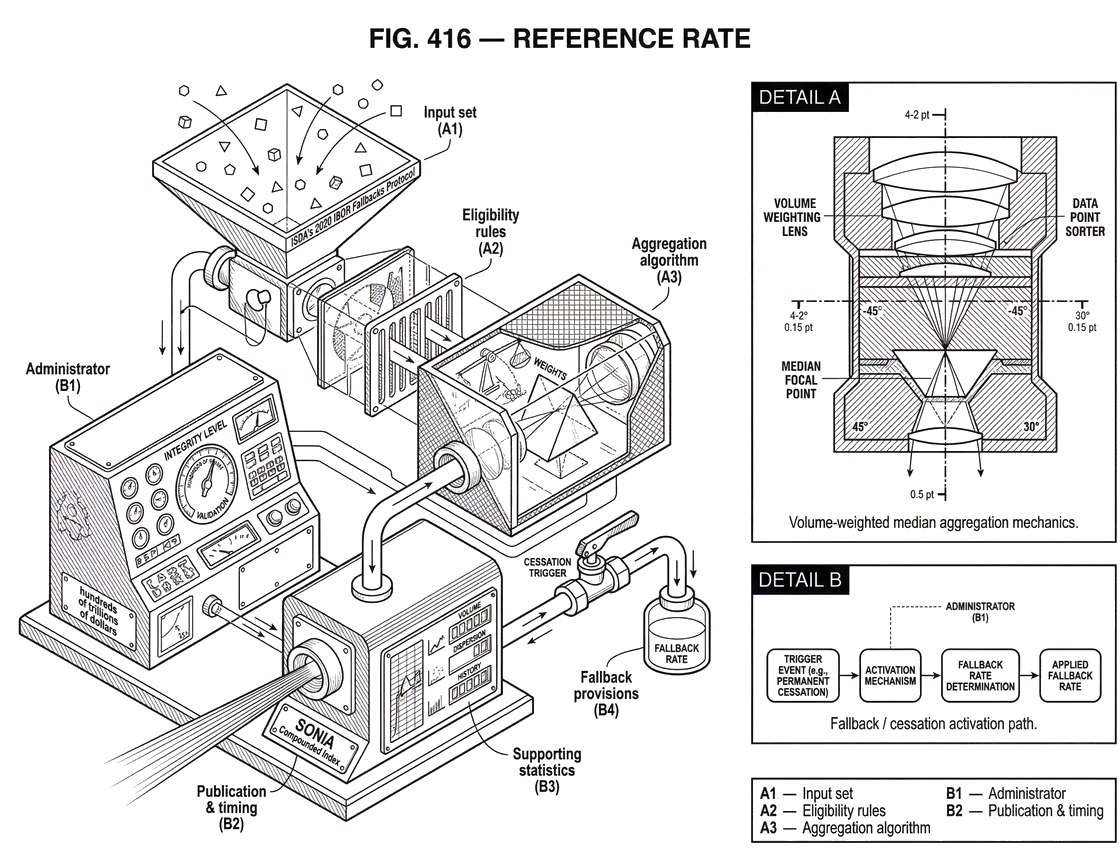
What is a Reference Rate?
A reference rate sounds simple: one number that says what money costs or what an asset is worth. But in institutional markets, that number only matters if people trust how it was built, when it is published, and what happens when the underlying market thins out or disappears.
Mar 21, 2026
•
28 min read
#MARKET INFRASTRUCTURE
What is Prime Brokerage?
Prime brokerage looks simple from the outside: a large client trades, borrows, posts collateral, and settles. The reason it became a distinct business is that active funds need those functions to work as one coordinated system, not as a pile of separate relationships.
Mar 21, 2026
•
28 min read
#MARKET INFRASTRUCTURE