Cube
Trade
Pro
Advanced trading interface with professional tools
Swap
Exchange cryptocurrencies instantly
Bundles
Trade multiple tokens in a single transaction
Algos
Create and manage automated trading strategies
Portfolio
Portfolio
View your cryptocurrency holdings and performance
Orders
Track your open and completed orders
Transactions
View your complete transaction history
Rewards
Rewards Dashboard
View your rewards and claim loot boxes
Blocks Leaderboard
See top traders competing for block rewards
Referral Leaderboard
See top referrers and track referral rankings
Investors
Investor Resources
Browse investor resources and documentation
Presentation (pdf)
Download investor presentation
Settings
Profile
Your profile and account verification
Subaccounts
Separate portfolios across subaccounts
Address Book
Manage saved withdrawal addresses
Multi-Factor Authentication
Add a verification step for sensitive account actions
API Keys
Connect applications to your account
Onramp
Link bank account to buy crypto
Account Recovery
Manage account recovery setup
Learn
News
Read the latest news, announcements, and updates from Cube Exchange
What-Is Guides
Learn about cryptocurrencies
FAQ
Frequently asked questions about Cube Exchange
Fees
View our transparent fee schedule and pricing information
Security
Learn more about Cube Exchange security
About
About
Learn more about Cube Exchange
Legal
Legal information, terms of service, privacy policy, and risk disclosures
EN
Select Language
EN
English
ES
Español
ID
Bahasa Indonesia
JA
日本語
PL
Polski
PT
Português
RU
Россия
TH
แบบไทย
TR
Türkçe
UK
Україна
VI
Tiếng Việt
ZH-CN
简体中文
ZH-TW
繁體中文
Light
Dark
System
Sign In
/
Protocols
/
Bitcoin
/
Protocols: Bitcoin
What is Inscriptions?
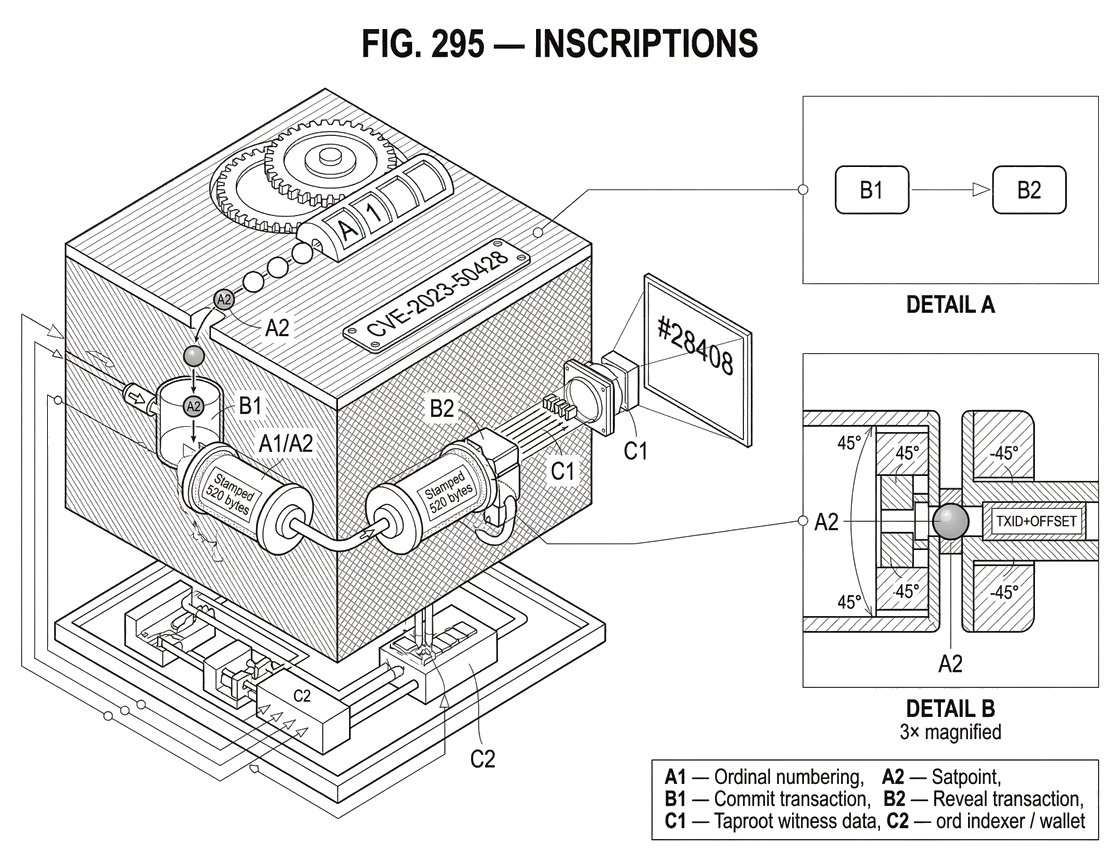
Bitcoin inscriptions make it possible to bind arbitrary on-chain content to a specific satoshi. The interesting part is not just that Bitcoin can store media, but that ordinals give one sat identity, so wallets and indexers can follow the inscribed sat as it moves through normal Bitcoin transactions.
Mar 21, 2026
•
25 min read
#BITCOIN
What Is the Lightning Network?
The Lightning Network matters because Bitcoin’s base layer is excellent at settlement but poor at handling many small, fast payments. Lightning changes the unit of work: instead of asking the blockchain to record every transfer, it records only the opening and closing of relationships and lets the transfers happen in between.
Mar 21, 2026
•
25 min read
#BITCOIN
What is a Change Output?
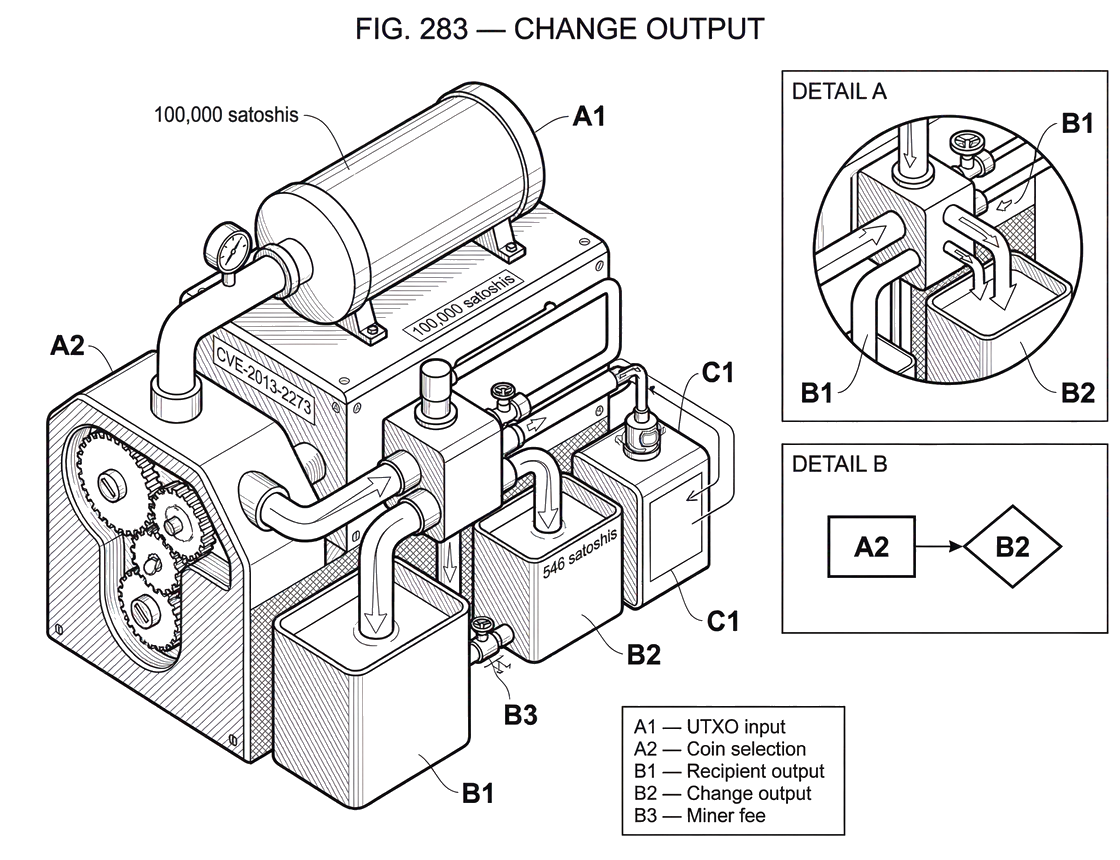
A Bitcoin payment often creates an output back to the sender. That is the change output, and it exists because Bitcoin does not let you shave value off a coin in place: a UTXO is spent whole, with any remainder explicitly returned in a new output.
Mar 21, 2026
•
22 min read
#BITCOIN
What Is Child Pays for Parent (CPFP)?
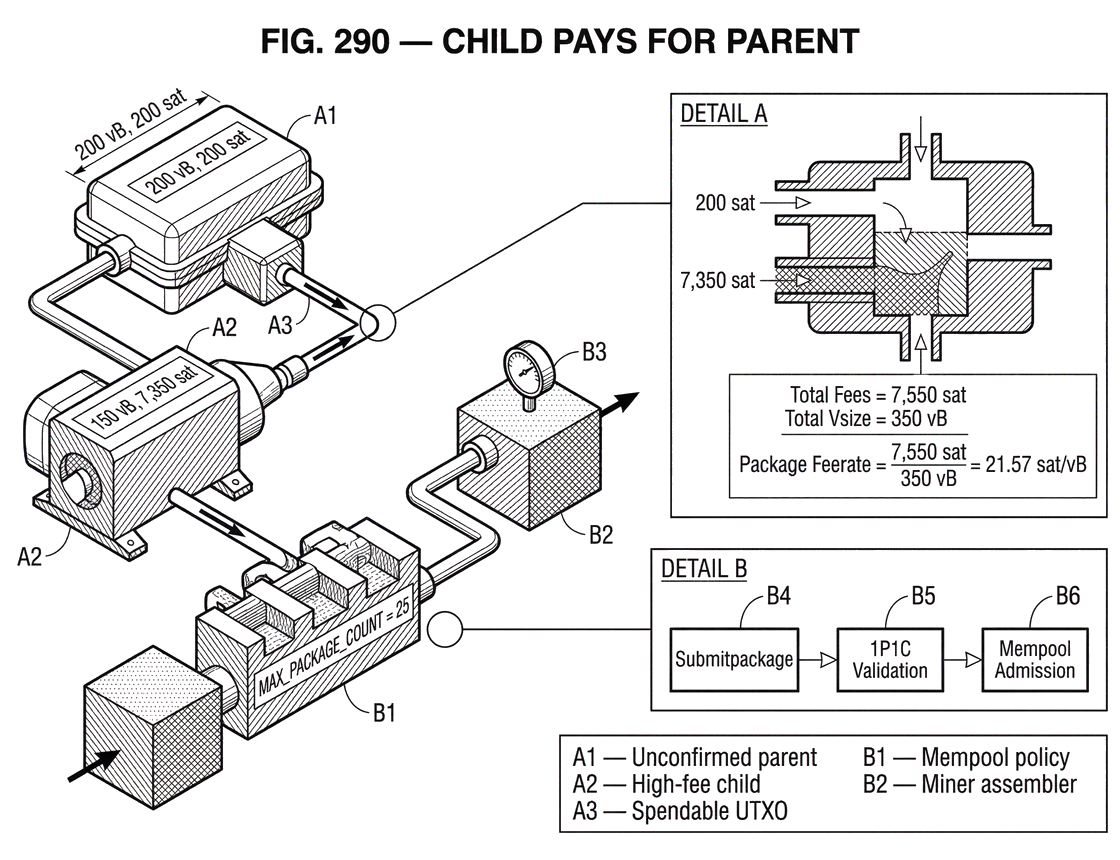
Child Pays for Parent solves a simple but important problem: what if a transaction is valid but underpaid, and you cannot or do not want to replace it? By attaching a high-fee child that spends one of its outputs, you can make miners care about the package rather than the weak parent alone.
Mar 21, 2026
•
23 min read
#BITCOIN
What is Bitcoin Script?
Bitcoin Script is the small, deliberately constrained programming language that decides whether a Bitcoin spend is allowed. Its power comes not from being general-purpose, but from being narrow enough that every node can evaluate it predictably while still supporting multisig, timelocks, and Lightning-style contracts.
Mar 21, 2026
•
27 min read
#BITCOIN
What Is Bitcoin?
Bitcoin matters because it solved a problem that had blocked digital money for decades: how to let strangers agree on ownership without trusting a bank or operator. Its design is simple at the center but demanding at the edges, which is why Bitcoin can be both remarkably durable and frequently misunderstood.
Mar 21, 2026
•
27 min read
#BITCOIN
1
2